
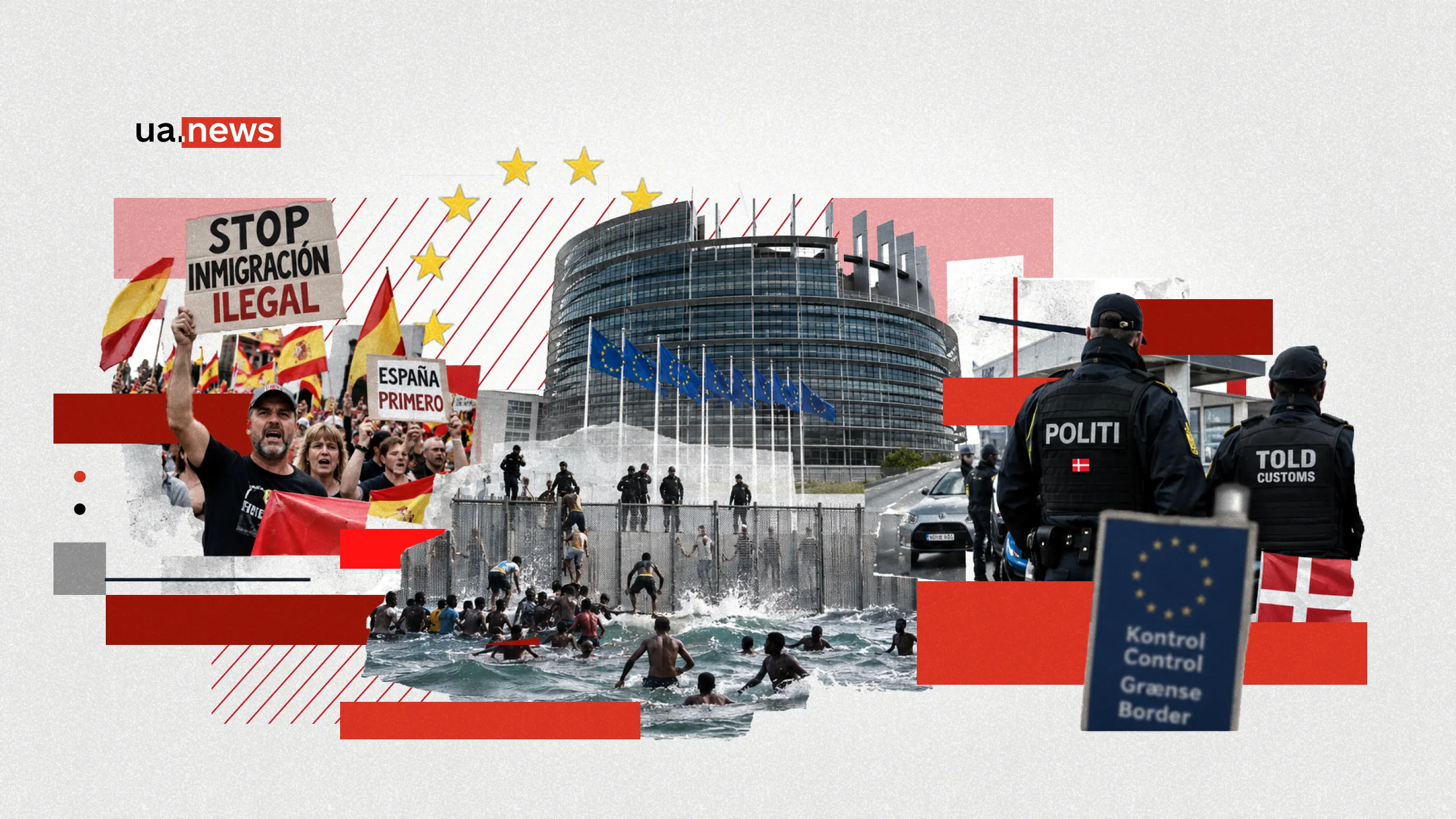
Mass protests in Spain, tighter border controls, and Denmark’s plans to send undocumented migrants to repatriation centers outside the EU signal a noticeable shift in Europe’s migration policy. Member state governments are attempting to simultaneously curb illegal migration, respond to voters’ demands for greater security, and remain within the bounds of European human rights standards.
How is the new migration policy taking shape in the European Union, and what will be the cost? Find out in this UA.News article.

Spain: The Migration Crisis Is Turning into a Political Battleground
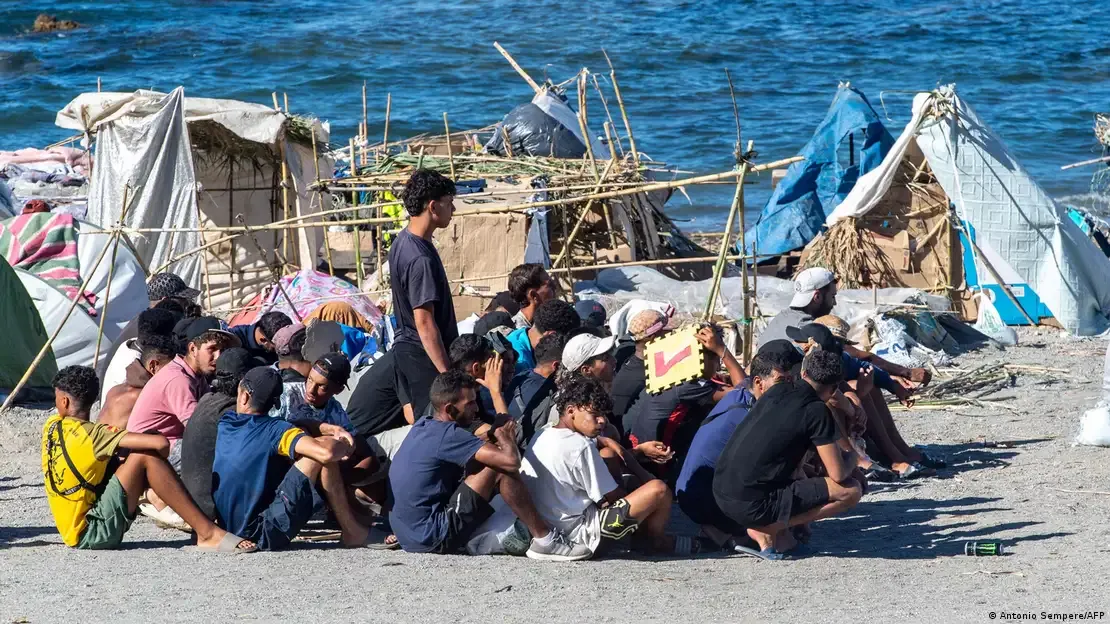
On September 2, mass rallies were held in several Spanish cities against the migration crisis that erupted in Ceuta—a Spanish enclave in northern Africa—where thousands of Moroccan citizens broke through the borders in late July.
Tens of thousands of people took part in the protests. In Madrid, about 50,000 protesters took to the streets, while in Valencia and several other cities, the number ranged from 20,000 to 25,000. They demanded border protection and spoke out against the government’s inaction.

Protesters personally criticized Prime Minister Pedro Sánchez for failing to handle the influx of migrants and even demanded his arrest.
Several clashes broke out during the demonstration in Madrid. Local police intervened—dispersing the aggressive crowd with tear gas and rubber bullets. There were several injuries among both protesters and police officers.

The nationwide
protests were organized by two right-wing opposition parties—the People’s Party and the far-right Vox. The opposition accused the prime minister of failing to properly control migration flows and of concealing the true scale of the problem from the public.
In response to the protests, the government stated that the rallies were not intended to support the residents of Ceuta. “This is not about defending Ceuta and its residents, but about attacking the government,” said Spain’s Minister of Territorial Policy, Ángel Víctor Torres, speaking on Spanish radio.
Spanish Prime Minister Pedro Sánchez, in his defense, claimed that Russian and Israeli networks were involved in spreading disinformation that fueled the border breach by illegal migrants. Russia and Israel have denied these allegations.
The events in Spain have caused concern within the European Union. Some countries, such as Italy, have called for restrictions on Spain’s participation in the Schengen Area. Meanwhile, France has tightened border controls.
Overall, this crisis and the protests it sparked have highlighted one of the major trends in contemporary European politics: migration is becoming a key tool in political struggles.
For right-wing parties, this is an opportunity to mobilize the electorate around issues of security, border control, and national sovereignty. For centrist and left-wing governments, it is a necessity to prove that they are capable of controlling the situation without abandoning European standards on refugee protection and human rights.

Right-wing parties are setting the
agenda
In 2026, the total number of migrants living in the EU reached a record high of 64.2 million people. Germany, meanwhile, received the largest number of migrants in the bloc—about 18 million people (72% of whom are of working age). However, the cause of anti-immigration sentiment among EU citizens should not be sought solely in the sheer number of arrivals.
Europeans are increasingly viewing migration through the lens of security, the cost of living, housing affordability, the strain on social systems, and the state’s ability to control its own borders. And right-wing parties were able to capitalize on these sentiments before their competitors did. They have turned migration into one of the central themes of political mobilization.
As a result, even centrist parties are being forced to shift their positions. What might have been perceived just a few years ago as an overly hardline proposal from the right is gradually becoming part of mainstream politics.
All of this provides the context for the creation of “return centers,” the strengthening of border controls, the reduction of social incentives for illegal residence, and the acceleration of deportations.
Europe Tightens Controls
The European Union took another step toward tightening its migration policy in February 2026. At that time, the European Parliament finally adopted two important documents that change the EU’s approach to granting asylum and returning migrants. One of the key elements is the introduction of a common list of “safe countries,” whose citizens will find it more difficult to obtain asylum in the EU.
The list includes, in particular, Kosovo, Morocco, Egypt, India, Tunisia, Bangladesh, and Colombia. For people from these countries, the processing of applications is expected to be faster, and the return procedure more efficient. Brussels believes this should reduce the pressure on national asylum systems and speed up deportations if asylum is denied. The new rules also simplify the transfer of asylum seekers to third countries considered “safe.”
But the problem lies not only in the number of people arriving in Europe. One of the system’s main weaknesses remains the return of those who have been denied the right to stay. European countries can issue deportation orders, but the practical enforcement of such decisions often depends on cooperation with the countries of origin. If a country refuses to take its citizen back or if there are problems identifying the person, the return process is delayed.
This creates a paradox: a government can promise voters a strict immigration policy, but it does not always have sufficient tools to implement it. That is why European capitals are seeking new mechanisms, one of which is “return centers.”
On March 11, the European Union announced that it plans to deport more migrants and establish “return centers” in third countries. The plan sets out rules for all EU member states so that immigration authorities in one EU country can ensure the enforcement of a deportation order issued by another EU country.
As part of the new migration policy, five countries—Germany, Austria, the Netherlands, Denmark, and Greece—are already working to conclude the EU’s first agreement with a third country on the establishment of “return centers” outside the Union. They plan to conclude such an agreement by the end of 2026. Uganda and Rwanda are among the possible locations being considered for these centers.
At the same time, human rights groups have widely criticized this initiative. The UK government had previously implemented a similar scheme on a temporary basis, but abandoned it after the Labour Party came to power. The Italian government, led by Giorgia Meloni, has signed a similar agreement with Albania, which is facing legal challenges.
Denmark is banking on repatriation outside the EU
Denmark has long held one of the toughest stances in Europe on migration policy. Copenhagen has consistently advocated for tighter controls, reduced incentives for irregular migration, and a more effective return system. Now this policy is moving to a new level: European countries are increasingly considering the possibility of creating mechanisms under which migration procedures or the detention of people subject to return would take place outside the EU.
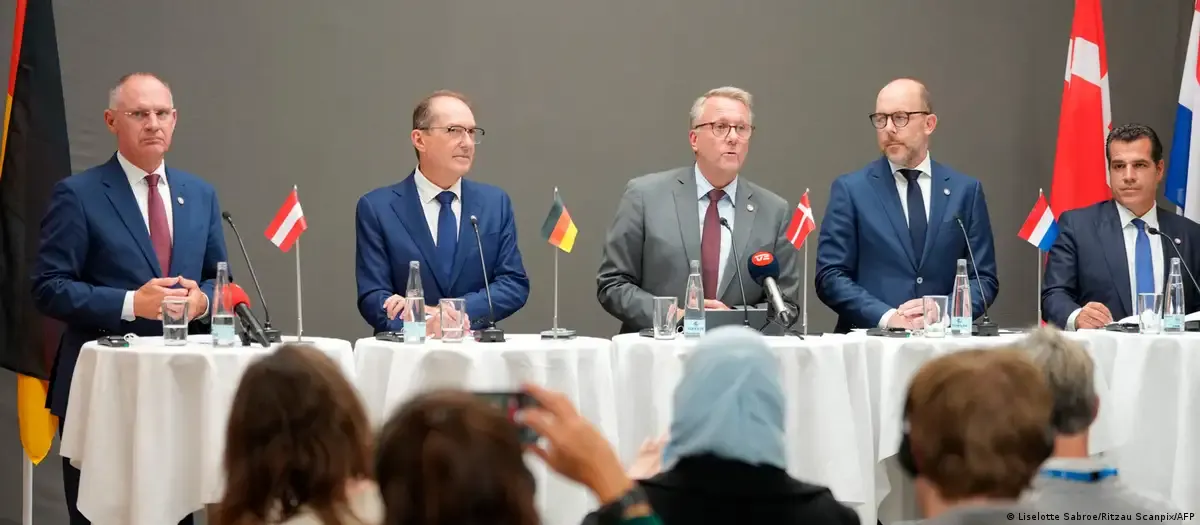
On September 4, Denmark’s Minister of Migration and Integration, Morten Bedskov, held a meeting in Copenhagen with representatives of the “Group of Five”: Germany, Austria, the Netherlands, and Greece. The officials were to agree on specific steps regarding an agreement between the European Union and another country on the creation of “return centers.” Denmark has stated that it plans to send undocumented migrants to a repatriation center outside the European Union by the end of 2027.
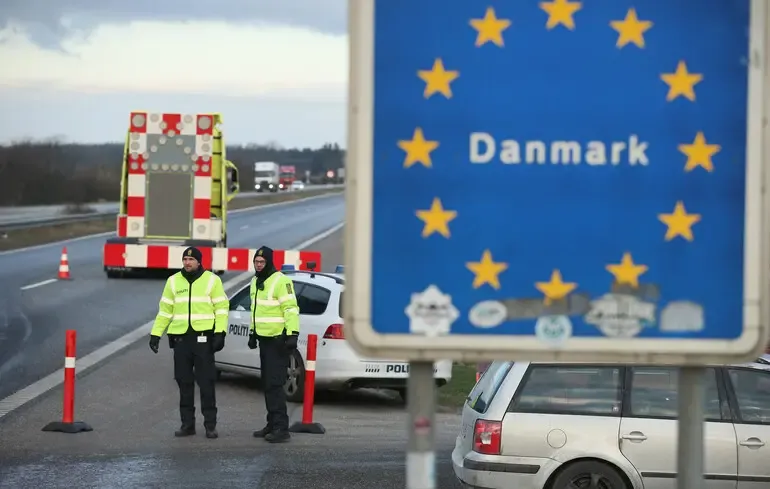
For supporters of this approach, it is a way to reduce the burden on European countries and demonstrate to potential migrants that crossing the border illegally does not guarantee the ability to stay in Europe.
For critics, it is a dangerous precedent that raises questions about respect for human rights, access to legal protection, and the responsibility of European states for the people they are effectively relocating outside their territory.
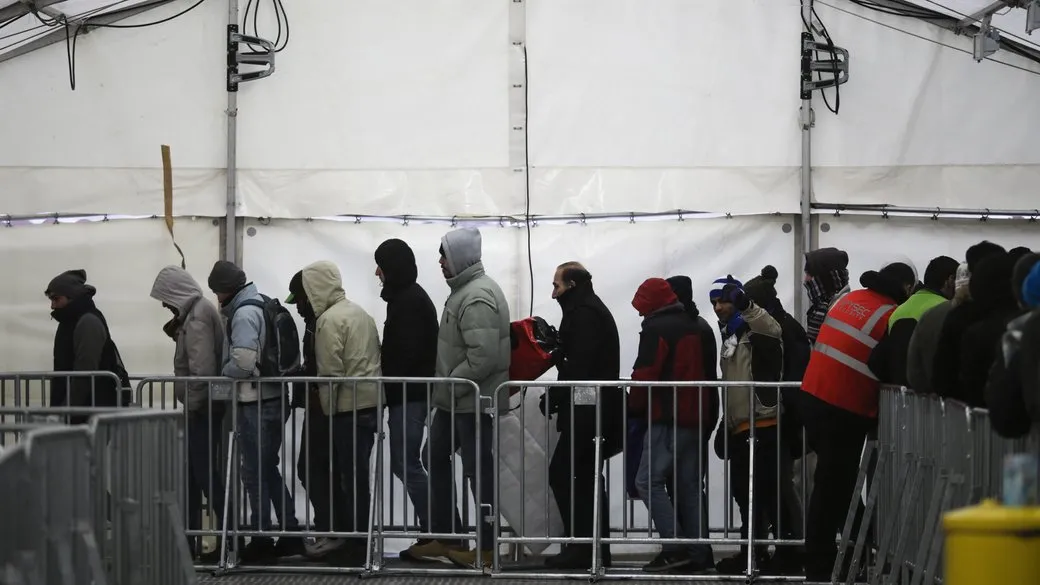
From Sweden to the Netherlands: A Common Trend
A tougher approach to migration is also evident in other countries. In recent years, Sweden has been tightening its immigration laws and emphasizing voluntary return and the deportation of people who lack legal grounds for staying.
The Netherlands is also moving toward tightening migration controls and expediting return procedures.
Germany, following the rise of right-wing forces, is under constant pressure to reduce illegal migration and implement more effective border controls. The government is forced to balance security requirements, European rules, and obligations to protect refugees.
France has been trying for many years to establish a more effective system for returning undocumented migrants, while simultaneously strengthening internal controls.
In Italy, Giorgia Meloni’s government has made combating illegal sea routes and cooperating with North African countries one of its main priorities.
The specific measures vary from country to country. But the political trend is similar: Europe is gradually shifting from a policy of managing migration to one of curbing it.
The
Line Between Control and Human
Rights
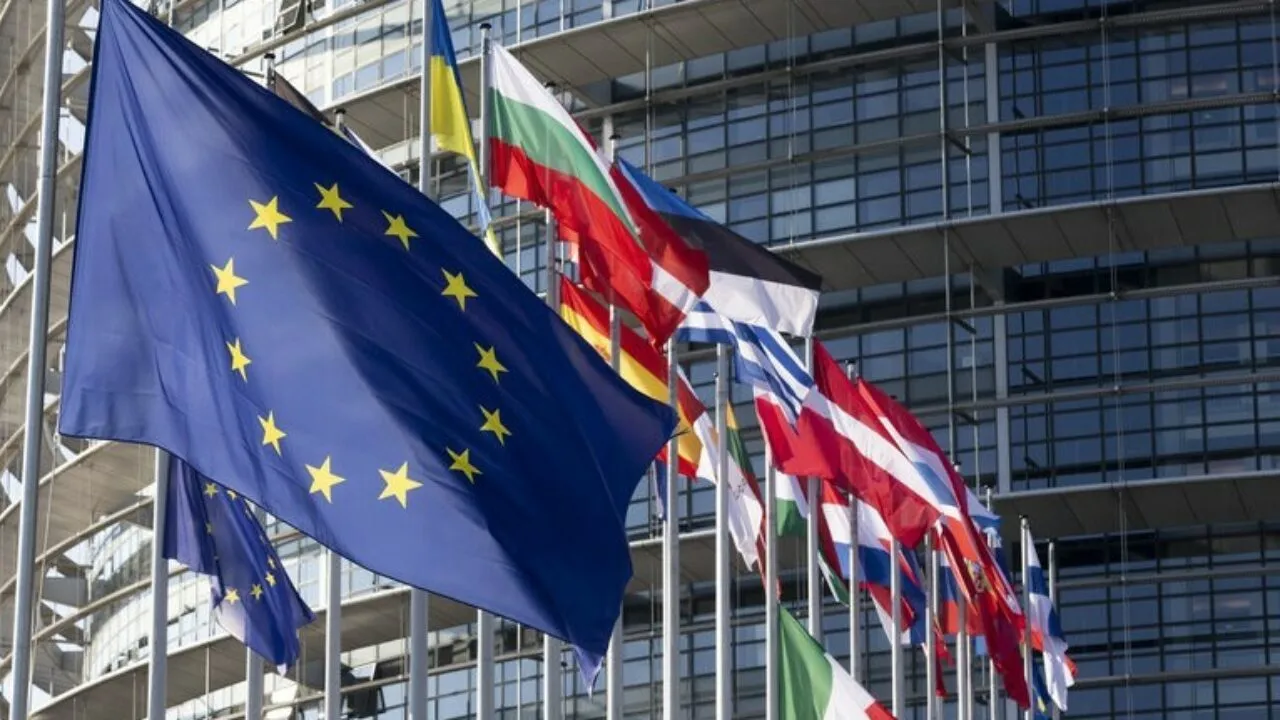
However, the tightening of migration policies creates a new challenge for the EU. This is because the European Union strives simultaneously to be both a safe haven and a space grounded in human rights. These two goals are not always easy to reconcile.
Any system for returning people outside the EU must comply with international law, provide for individual case reviews, and guarantee the right to appeal decisions. Cases where returning a person could pose a threat to their safety are particularly complex.
There is also another problem—a practical one. Even if the EU agrees to establish external repatriation centers, the question arises: which countries will agree to host them, under what conditions, and who will be responsible for the people staying there? This could become the subject of lengthy negotiations both within the EU and with partner countries.
Most likely, in the coming years, Europe will continue to move toward tightening migration controls. This does not necessarily mean a complete abandonment of humanitarian obligations. Rather, a new model is emerging in which the right to asylum is preserved, but efforts will be made to limit as much as possible the possibilities for illegal entry and prolonged stays without legal grounds.
Migration policy will increasingly be determined by the domestic policies of the member states themselves. Spain, Denmark, Germany, France, the Netherlands, Italy, and other countries have different political systems and varying levels of public support for strict measures. But almost everywhere, governments face the same question: how to maintain control over migration without turning this policy into a rejection of fundamental European principles.
It is this contradiction—and not merely the number of migrants—that may become the main challenge for the EU’s migration policy in the coming years.




