
FAO: More than 22% of agricultural land in Lebanon affected — Asharq Al-Awsat
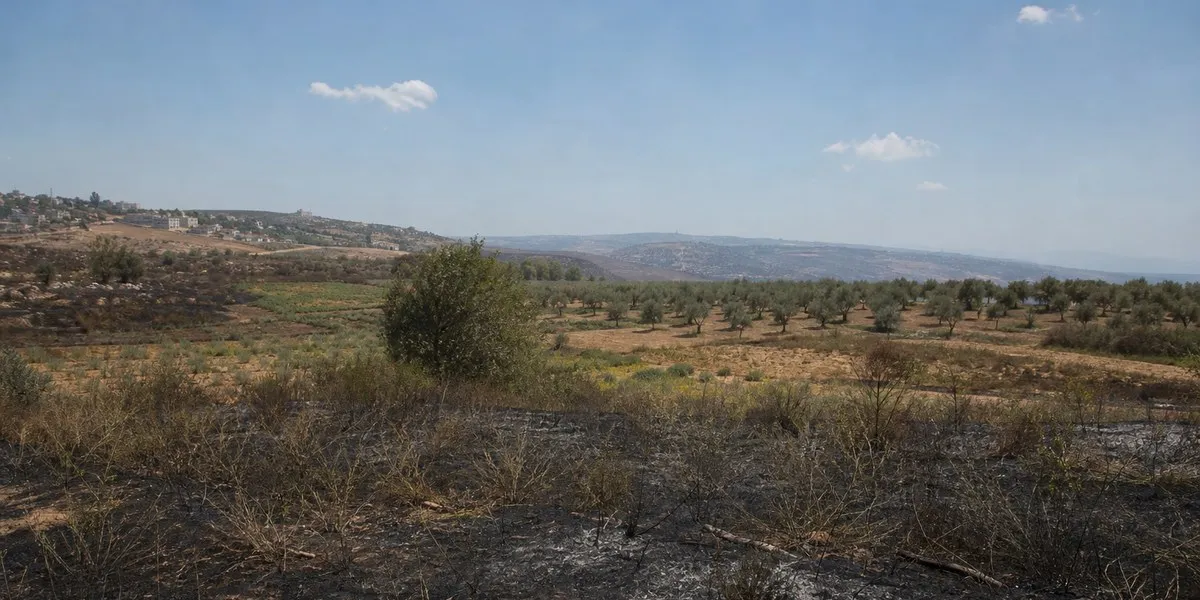
The UN Food and Agriculture Organization said that about 56,000 hectares of land in Lebanon were affected or damaged due to the latest conflict between Israel and the Hezbollah group. This amounts to more than 22% of all agricultural land in the country, Asharq Al-Awsat reports, citing FAO Deputy Director-General Beth Bechdol.
Problems for farmers in the south
According to Bechdol, the conflict has created additional pressure on farmers and rural communities that had already faced significant difficulties. She stressed that agriculture is the foundation of livelihoods for the population of southern Lebanon.
The FAO official noted that farmers and their families cannot access their agricultural land. The fighting has also disrupted markets and reduced access to resources needed for food production, including fertilizers.
More current news is available on the UA.News Telegram channel Telegram.
Losses and food security
In June, a UN-supported assessment conducted by Lebanese authorities estimated agricultural production losses in the south of the country this year at no less than $530 million. Bechdol also expressed concern about possible soil contamination from unexploded ordnance and remnants of military operations. She said that in recent days she had discussed the possibility of FAO's involvement in demining partnerships in southern Lebanon.
According to a UN-supported report released in April, more than 1.2 million people in Lebanon could face acute hunger in the coming months because of the latest war. UNICEF said this week that four out of five households in the country are struggling to pay for basic needs amid the conflict and the prolonged economic crisis.
After the ceasefire in June, the intensity of hostilities decreased, but hundreds of thousands of people, mostly from the south of the country, remain displaced. Israel, according to the publication, maintains troops in its declared security zone along the border and is carrying out large-scale demolitions affecting villages and agricultural land.




