
Philippines speeds up permitting procedures for critical minerals extraction
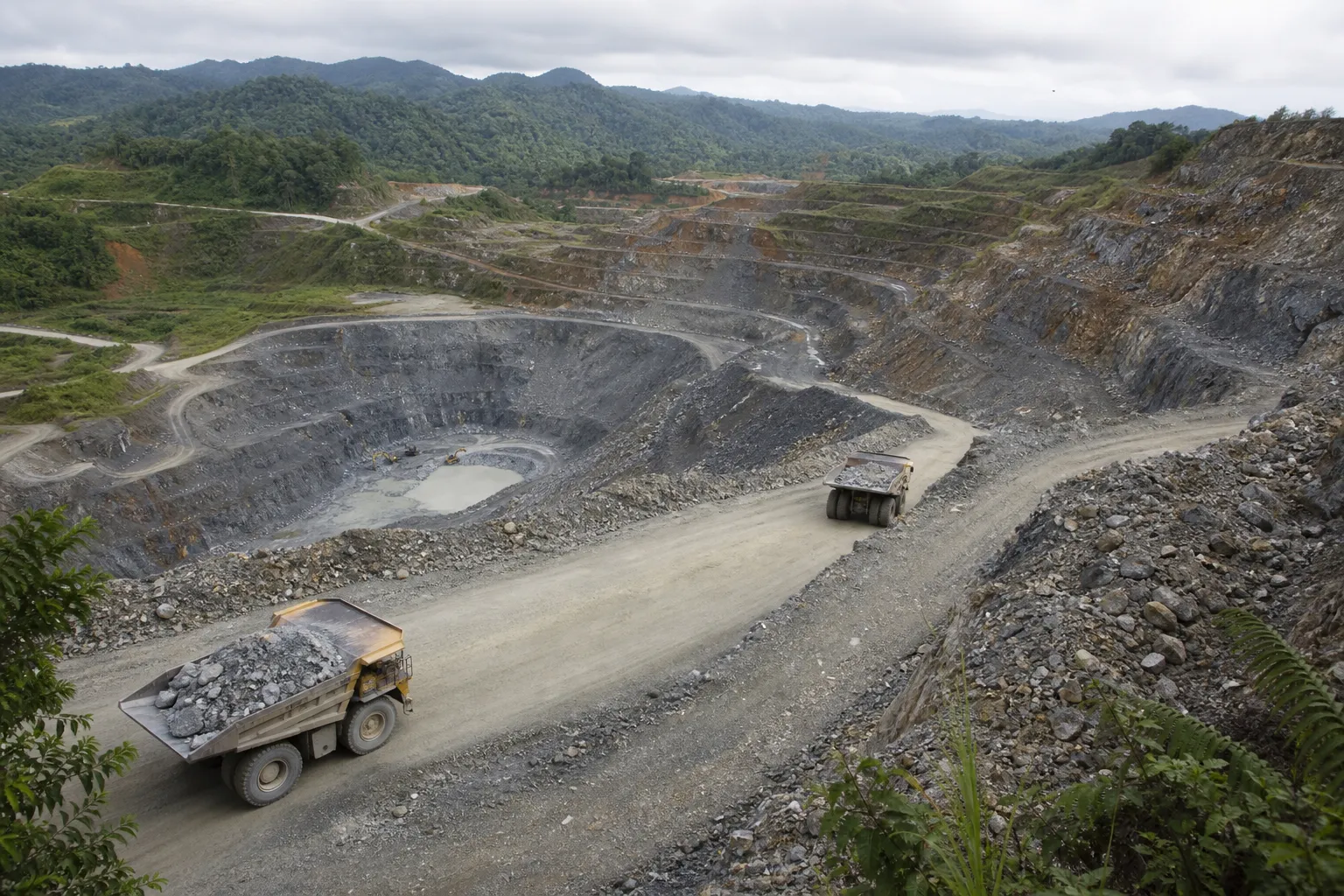
Philippine President Ferdinand Marcos Jr. on August 18 signed Executive Order No. 122, which creates a national framework for developing the critical minerals sector. The document identifies at least 9 million hectares of prospective areas where mineral resources may be located and provides for faster approvals for mining projects, Mongabay reports.
The order instructs the Department of Environment and Natural Resources, through the Mines and Geosciences Bureau, to implement a geological exploration and mineral reservation program. Mining applications are to be processed through a virtual “one-stop shop,” allowing national and local permits and approvals to be obtained simultaneously rather than sequentially.
Scale of prospective areas
The human rights and environmental organization Legal Rights and Natural Resources Center (LRC) notes that 9 million hectares account for about 30% of the country’s land area. This is more than 11 times the 813,575 hectares covered by already approved mining projects. At the same time, the order concerns areas with potential mineral resources rather than sites approved for extraction.
According to LRC estimates, 424,830 hectares, or 54% of the area of currently approved mining projects, may overlap with the traditional lands of Indigenous peoples. Organization representatives and Indigenous rights advocates warn that expanded extraction could increase pressure on forests and these territories.
More current news is available on the UA.News Telegram channel Telegram.
Concerns over community consent
Pala’wan Indigenous leader Victor Colili from Brooke’s Point on Palawan Island said that his community has opposed nickel mining in its traditional territory for many years. According to him, the community believes the mine’s operations have harmed the environment. Colili also noted that Indigenous families depend directly on forests and natural resources for farming and their livelihoods.
LRC criticizes the simultaneous processing of permitting procedures. In the organization’s view, public consultations and the process of obtaining the free, prior and informed consent of Indigenous peoples may take place before communities have sufficient information about the environmental consequences of projects. Colili stressed that people need time to assess potential consequences and complex agreements.
Positions of industry and academics
The Philippine Nickel Industry Association welcomed the simultaneous processing of permits, saying it could make procedures faster, clearer and more predictable for investors. The Department of Environment and Natural Resources did not respond to Mongabay’s request about how simultaneous permit reviews would not weaken environmental assessment, public participation and consent procedures by the time the article was published.
Forestry professor Rogelio Andrada II of the University of the Philippines Los Baños said that geological exploration may be less destructive than extraction, but it also has impacts. He stressed that extractive activities disrupt ecosystems and that safeguards must prevent irreversible damage and take into account the views of local residents.


