
Cyprus Fiscal Council warns of hidden risks to economy — Cyprus Mail
Cyprus’ Fiscal Council said in its interim report for 2026 that the country’s economy remains resilient to external shocks but faces a number of hidden risks. As Cyprus Mail reports, council chairman Andreas Charalambous said that Cyprus’ GDP grew by 3.8% in 2025, while growth of 3% is forecast for 2026.
The country’s budget was executed with a surplus of 3.4% of GDP in 2025, while public debt fell to 55% of GDP, below the 60% threshold. The unemployment rate stood at about 4.4% last year and fell to 3.6% in the first half of 2026.
Migration and productivity
The Fiscal Council links economic resilience to the inflow of migrants in recent years and to the activity of foreign companies opening businesses in Cyprus. Such enterprises create jobs, stimulate income and consumption, and expand services exports.
At the same time, migrants account for more than 20% of the country’s population, and their share may reach 30%. Against the backdrop of an ageing population, the number of people of working age is declining. In the council’s view, further economic growth cannot be based solely on increasing employment and requires higher labour productivity, where Cyprus shows weaker results.
More current news is available on the UA.News Telegram channel Telegram.
Energy, investment and pensions
The council also drew attention to a noticeable acceleration of inflation in 2026, which disproportionately affects low-income households. A significant part of inflation has an external origin and is linked to geopolitical events, but the situation is complicated by the country’s slow transition to green energy. Dependence on traditional energy sources keeps energy costs high and increases vulnerability to international crises.
Despite strong performance in the services and tourism sectors, Cyprus’ current account remains in deficit, primarily due to fuel imports amid rising oil prices. Among chronic problems, the council cited the low level of public investment: in the first six months of 2026, implementation of public development projects stood at only 25%.
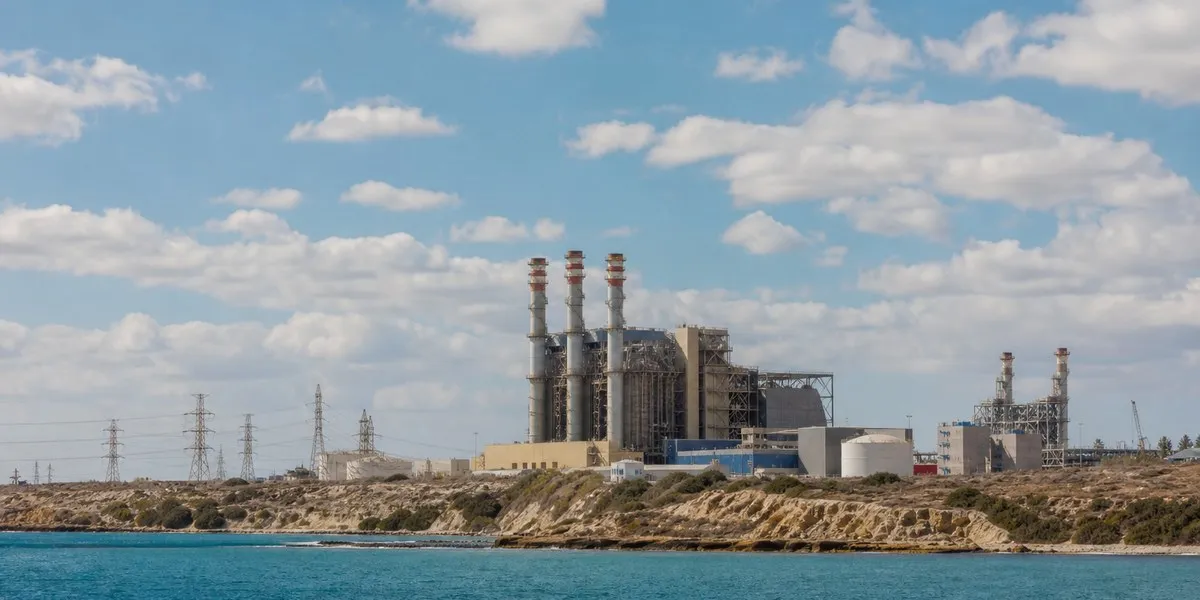
Separately, the council warned of potentially significant budget expenditures on an electricity interconnection with Greece and Israel, as well as on a liquefied natural gas terminal in Vasiliko. It also pointed to risks for the social insurance system: currently, one pensioner is supported by contributions from about four workers, while in the future this ratio may fall to two workers per pensioner.




