
France has dismantled the launch pad for Russian Soyuz rockets at the Kourou spaceport
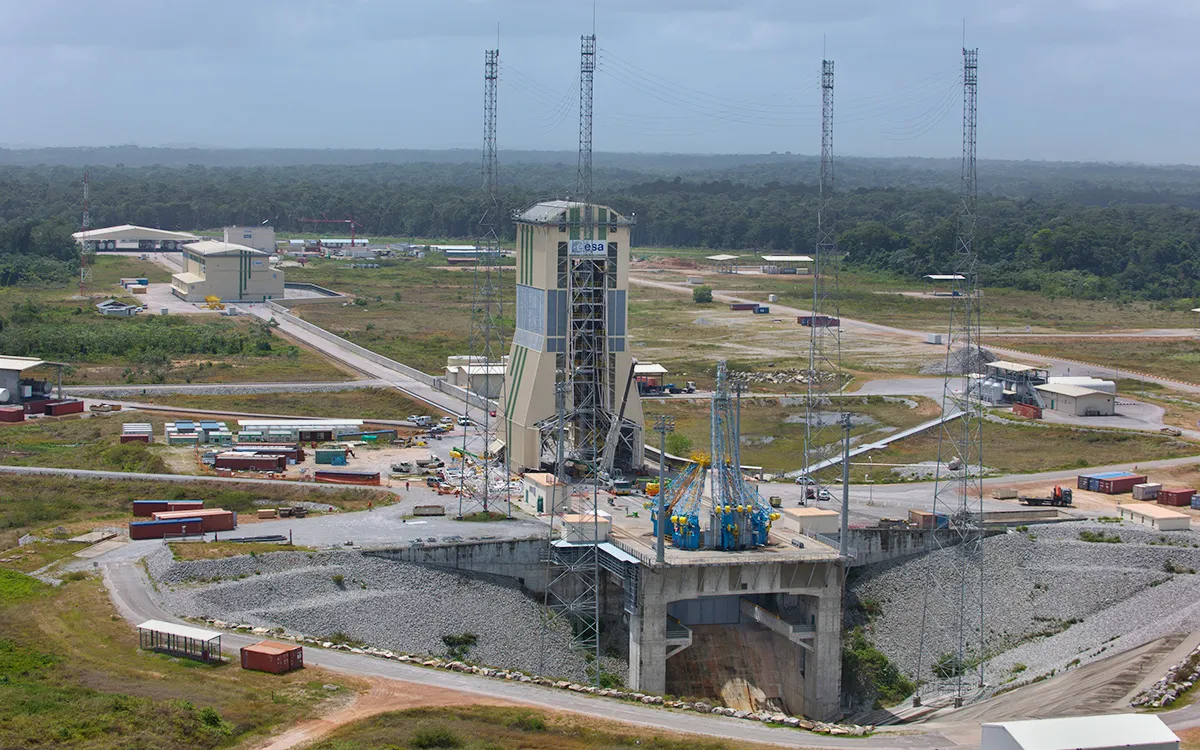
At the Guiana Space Center, located in French Guiana, the dismantling of key infrastructure previously used for launches of Russian Soyuz-ST carrier rockets has been completed.
This was reported by Alpha Centauri.
This step marks the final conclusion of a long-standing partnership with Roscosmos, which the European Space Agency (ESA) officially terminated following Russia’s full-scale invasion of Ukraine.
In place of the Russian facilities, the site will now house facilities for the European startup MaiaSpace, a subsidiary of the ArianeGroup.
Specialists have already dismantled the service tower and cut through the four massive supports that held the Soyuz rockets before launch. Now, this area will be converted to accommodate the new Maia lightweight reusable rocket.
French engineers plan to reuse up to 80% of the existing infrastructure, which will significantly save costs and reduce the environmental impact.
Specifically, the rocket integration buildings, rail tracks, liquid oxygen storage systems, and the launch pad will be preserved. Total investment in adapting the site is estimated at several tens of millions of euros.
The Maia project is intended to be Europe’s response to SpaceX’s successes. It is a small two-stage rocket, the first stage of which will be reusable and capable of landing on a sea platform in the Atlantic Ocean.
Europeans expect this launch vehicle to help reduce the technological gap with the U.S. in the commercial small satellite launch segment.
According to updated plans, the first test launch of the Maia rocket is scheduled for 2027, although ground tests at the upgraded site could begin as early as late 2026.
The company has already signed its first commercial contracts, including one with operator Eutelsat to launch OneWeb communications satellites.
Hubble Spots a "Space Snail" in the Triple Nebula
Also, NASA has announced the date of the first human flight to the Moon in 50 years.
A NASA satellite will fall to Earth after 14 years in orbit.


