
The FSB and the Russian National Guard conducted training exercises to capture saboteurs near the NATO border
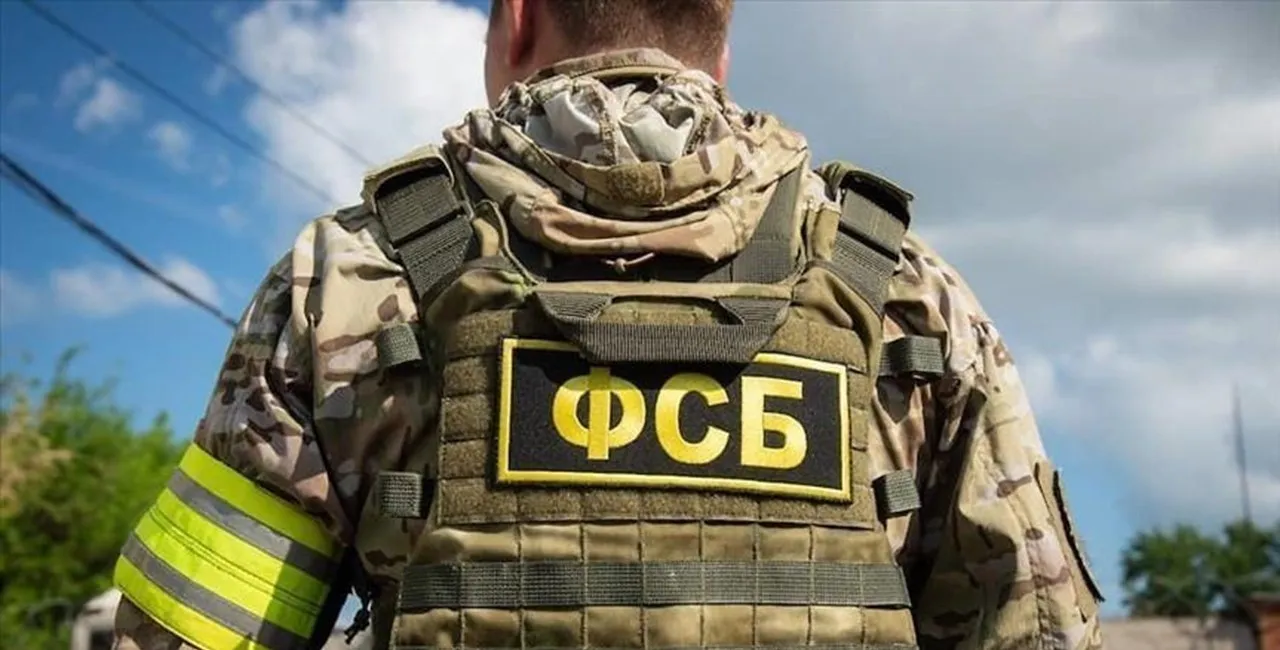
In Russia’s Leningrad Oblast, security forces conducted the “Commonwealth-2026” exercise, during which they practiced responses to a hypothetical sabotage and reconnaissance group crossing the border. Units of the Russian National Guard and the FSB Border Guard Service participated in the exercises. According to the exercise scenario, security forces searched for, pursued, and detained simulated saboteurs, and also practiced firing on the positions of a simulated enemy.
The “Commonwealth-2026” exercises took place on August 25 in the Leningrad Region, which borders Finland and Estonia. Units from the Rosgvardia’s Northwestern District and personnel from the FSB’s Border Guard Service for St. Petersburg and the Leningrad Region participated in the exercises. The Russian side stated that the exercises were focused on responses to a crisis situation at the state border.
According to the exercise scenario, a simulated sabotage and reconnaissance group had allegedly infiltrated Russian territory. Security forces were tasked with locating, pursuing, and detaining the group. They also practiced cordoning off specific areas and blocking routes that the hypothetical saboteurs might use. The “Granit” SOBR special operations unit was involved in the exercises. Its members practiced detaining members of the simulated sabotage and reconnaissance group, which had allegedly crossed the state border. In the released footage, security forces drive up to a bus, smash its window, and enter the vehicle. They then lead the simulated detainees out of the bus.
Separately, Russian security forces trained in the use of mortars. Crews operating 120-mm mortars from the Rosgvardia’s 33rd Special Operations Brigade fired on targets that simulated enemy positions during the exercises. The participants also practiced strengthening control over border security and checkpoints. Security forces cordoned off areas and secured routes that potential targets might have used. Thus, the exercises covered not only the search for a simulated sabotage and reconnaissance group but also the subsequent cordoning off of the territory and the use of force to detain suspects.
Representatives of border agencies from several CIS countries were also involved in “Commonwealth-2026.” According to Russian and regional media reports, representatives from Armenia, Belarus, Kazakhstan, Kyrgyzstan, Tajikistan, Turkmenistan, and Uzbekistan participated. Units from the Leningrad Military District, the Russian Ministry of Internal Affairs, and the Russian Ministry of Emergency Situations were also involved in the exercises. The Russian National Guard stated that, following the exercises, several Russian security personnel were awarded by representatives of the Council of Commanders of the Border Troops of the CIS member states.
However, the official description of the exercises does not directly imply that Russia is actually preparing for war with Finland or Estonia. The Russian side described the scenario as hypothetical and referred to a crisis situation at the state border. At the same time, the very format of the exercises indicates that Russian security forces are rehearsing a scenario involving an armed group crossing the border, as well as the search for, containment of, and elimination of simulated targets.
Why this has drawn attention
The Leningrad Region shares a border with two NATO countries—Finland and Estonia. Following Finland’s accession to NATO in 2023, and against the backdrop of Russia’s full-scale war against Ukraine, Russia’s military activity near the borders of NATO member states is drawing particular attention.
At the same time, these specific exercises were not conducted as stated preparations for an attack on neighboring states, but as training to respond to a simulated border violation. Therefore, it would be premature to claim that Russia is directly preparing for war with Finland or Estonia without additional evidence. This is reported by Russian media.
On the night of August 26, drones repeatedly attacked the Wildberries logistics center in Kotovsk, Tambov Oblast, Russia, after which a massive fire broke out at the facility. According to Russian authorities, the fire covered an area of at least 40,000 square meters, and one employee was injured.
Ukrainian drones simultaneously attacked a Lukoil oil refinery and a Wildberries warehouse in Russia.
As a reminder, the Orsk oil refinery in the Orenburg region of the Russian Federation completely halted operations following an attack by Ukrainian drones.


