
Gazpromneft has lifted fuel sales limits in 13 regions of the Russian Federation following a shortage
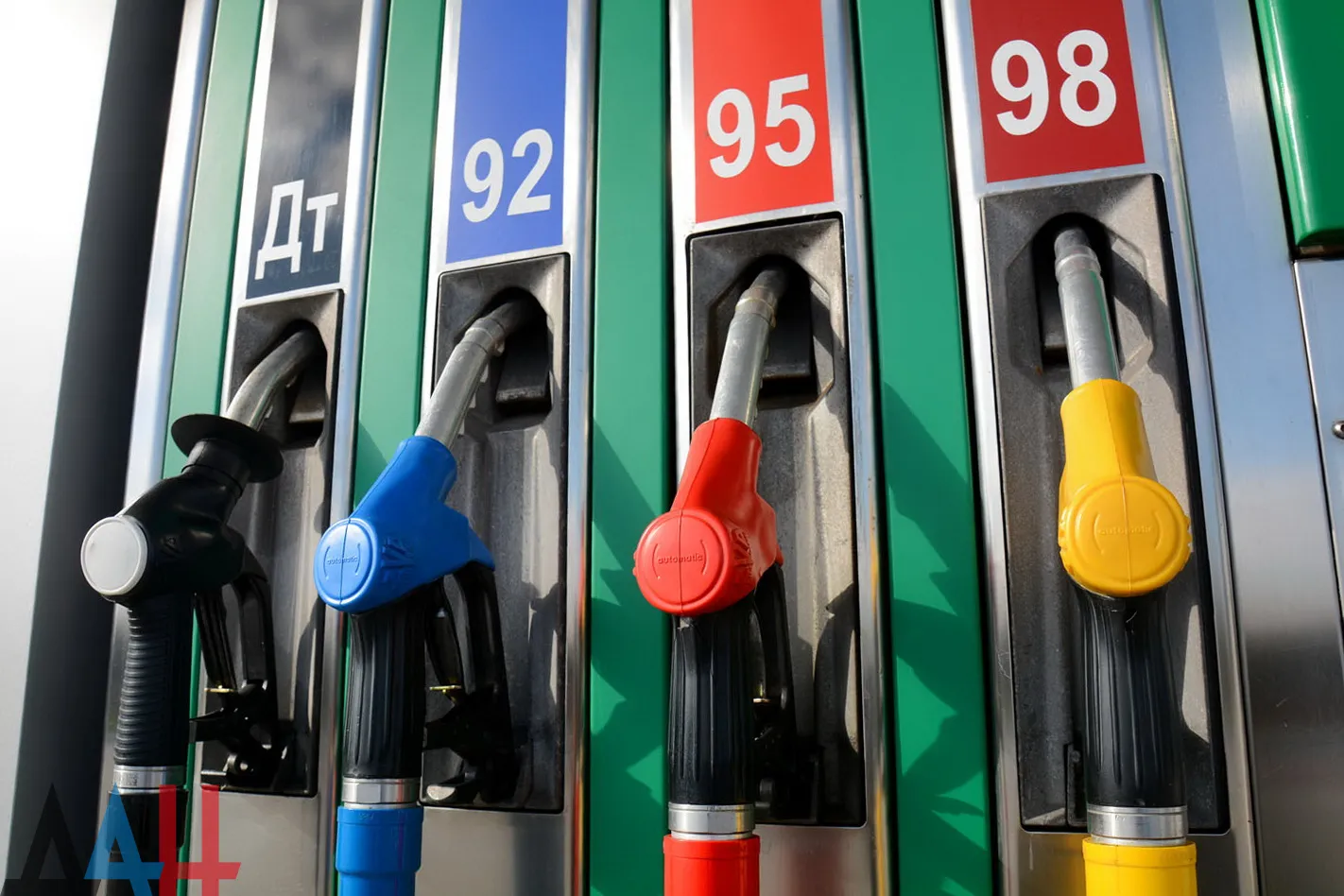
The Russian gas station chain "Gazpromneft" has lifted fuel distribution restrictions in 13 regions of Russia. However, just a week ago, limits were reimposed in some regions of the country following a drone attack on an oil refinery in the Volgograd region.
This was reported by the Russian state news agency TASS, citing the company’s press service. According to the report, the restrictions have been lifted in Moscow, St. Petersburg, and the Moscow, Leningrad, Omsk, Yaroslavl, Nizhny Novgorod, Vladimir, Vologda, and Kemerovo regions, as well as in the Krasnodar Territory, Chuvashia, and Tatarstan.
Prior to this, Gazpromneft remained one of the few major gas station chains that had not lifted the limits. As early as July 28, Russian media reported that many of the company’s gas stations in Moscow were enforcing a limit of 30 liters of fuel per customer, while the Lukoil and Teboil chains had already lifted similar restrictions.
At the same time, on August 1, Lukoil and Gazprom gas stations in the Volgograd region reintroduced a 40-liter limit. This happened just a few days after the companies announced that the market situation had stabilized and lifted the previous restrictions.
According to Bloomberg, the reinstatement of the limits occurred the day after a drone attack on Lukoil’s Volgograd oil refinery on July 31, which resulted in the facility completely halting oil refining operations. Officially, however, the authorities attributed the new restrictions to a “sharp increase in demand,” without mentioning the attack on the refinery.
In addition, Russian media reported that on the eve of Russian President Vladimir Putin’s visit to Krasnoyarsk on August 3, local gas stations temporarily lowered gasoline prices by more than 20 rubles. The very next day, after the visit ended, prices returned to their previous levels.
Despite statements by Russian authorities about a “gradual normalization” of the situation on the fuel market, anti-crisis measures remain in effect in the country. In particular, the government has temporarily authorized the production of gasoline that meets the lower “Euro-3” environmental standard, and as of August 4, it also imposed restrictions on the transport of fuel in canisters across the Crimean Bridge.
This is reported by Russian media.
As a reminder, the fuel crisis in Russia, which arose due to Ukrainian Armed Forces strikes on oil refineries, has led to a reduction in gasoline and diesel supplies for the Russian military. Russian military personnel report the introduction of strict restrictions, including a limit of no more than 20 liters of fuel per vehicle per day, as well as a reduction in overall supplies by approximately 30%.


