
UN General Assembly adopts Pakistan-initiated resolution on assistive technologies — Dawn
The UN General Assembly has adopted by consensus a Pakistan-initiated resolution on expanding global access to affordable assistive technologies, primarily in developing countries. The document, titled “Access to Assistive Technology,” became the first General Assembly resolution specifically devoted to this issue.
As Dawn reports, Pakistan’s Permanent Representative to the UN, Asim Iftikhar Ahmad, said while presenting the resolution that around 2.5 billion people worldwide need one or more assistive products, devices or related services. At the same time, millions of people face barriers to accessing them due to high costs, limited availability, inadequate infrastructure and services, limited access to technology, and a shortage of trained specialists.
What technologies the document covers
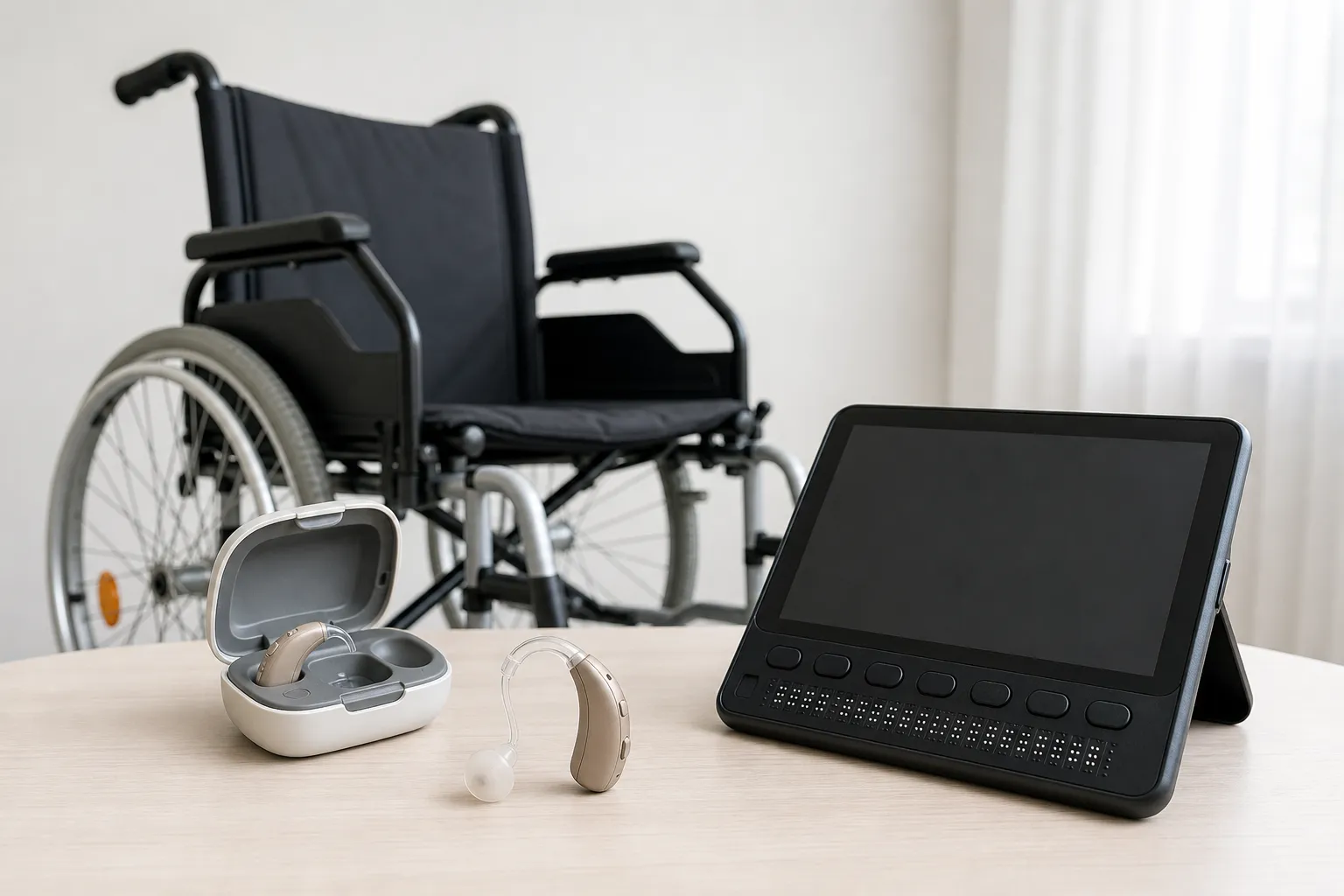
Assistive technologies include wheelchairs, prostheses, hearing aids, screen-reading software, communication devices and other digital solutions. They can help children attend school, adults work, older people maintain their independence, and people with disabilities and certain health conditions participate more fully in society.
The resolution links access to such technologies with development goals and social inclusion, particularly in education, employment, healthcare, social protection and public participation.
More current news is available on the UA.News Telegram channel Telegram.
Support for countries and emergency response
The document pays particular attention to developing countries. It calls for stronger international cooperation, funding and technical assistance for states with limited resources and capacities.
The resolution also recognizes that the need for assistive technologies persists during emergencies. Countries are recommended to include them in preparedness for and response to humanitarian crises, including armed conflicts and natural disasters.
The draft document was prepared and coordinated by counsellor Saima Saleem, Pakistan’s first career diplomat with a visual impairment and a user of assistive technologies. In 2018, Pakistan also initiated World Health Assembly resolution 71.8 on improving access to such technologies, which was likewise adopted by consensus.


