
NATO General Says Baltic States Have Better Defense — ERR News
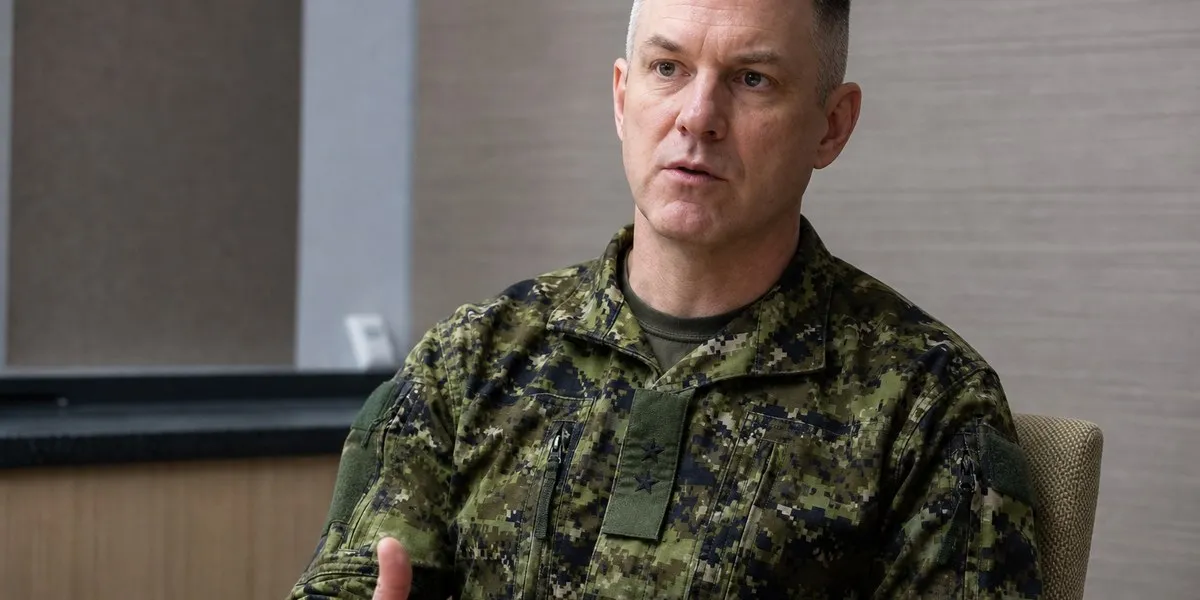
Estonian outlet ERR News reported that the military security of the Baltic states has improved significantly after NATO developed a clear strategy and action plans. This was stated by Lieutenant General John Mead, deputy commander of NATO Joint Force Command Brunssum.
Coordinating defense plans
Mead linked the changes to the strategy for deterrence and defense of the Euro-Atlantic region. According to him, one of its important results was the alignment of the Alliance’s regional plans with defense planning at the national level.
NATO is also developing guidance for building military capabilities and jointly defending every meter of territory. The general noted that this work is combined with joint surveillance as part of day-to-day deterrence.
As an example of this approach, Mead cited Operation Baltic Sentry, launched in response to new threats. He said that no undersea cable has been cut since the operation began. The general also mentioned the Eastern Sentry air defense operation, launched a year ago. According to him, it demonstrates that NATO has plans and is working to eliminate capability gaps through continuous integration and joint exercises.
More current news is available on the UA.News Telegram channel Telegram.
Logistics and exercises
The lieutenant general acknowledged that the Alliance’s armed forces are undergoing major changes and must continue adapting while maintaining deterrence. He emphasized significant progress in logistics, greater cohesion among the Baltic states, and better alignment between NATO plans and national plans.
According to Mead, Latvia and Estonia, as small countries, do not have significant strategic depth, so NATO is working to neutralize this challenge. Exercises in the coming weeks are intended to test direct communication with national operational centers.
No additional forces needed
Mead said he sees no need to deploy more foreign troops in the Baltic states. He called the number of available forces sufficient, but noted that their deployment must be tested and demonstrated to ensure credible deterrence. Next year, the Steadfast Deterrence exercises are intended to test the deployment of NATO forces.
The general also called the first joint German-Dutch cooperation in ensuring NATO vigilance and day-to-day deterrence in Latvia and Estonia an important step. Among the Alliance’s current priorities, he highlighted communications, information systems, and the use of data, and also pointed to the impact of drones on military operations and air warfare.


