
Putin's nuclear threats no longer have the desired effect on Russia — FT
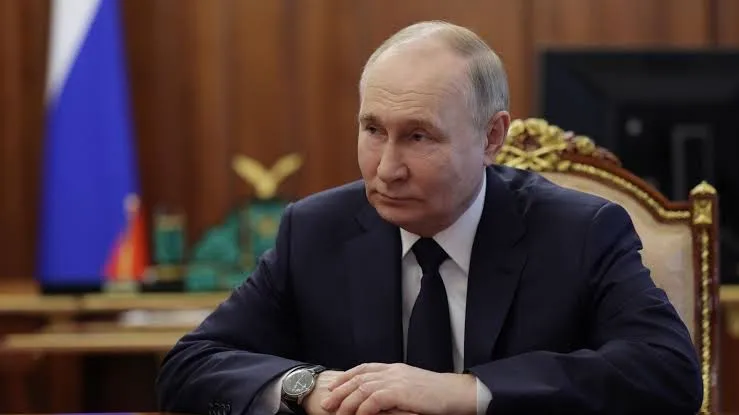
According to the Financial Times, the Russian leadership’s nuclear rhetoric has ceased to be as effective in influencing Moscow’s opponents. Russia is seeking other means of intimidation to restore the impact of its threats.
An analysis by the Financial Times indicates that Russia’s nuclear blackmail is having less and less impact on the stance of Western countries, and the Kremlin’s ability to use its strategic arsenal as a deterrent is gradually being neutralized.
Russia, which possesses the world’s largest nuclear arsenal, continues to resort to threats—particularly following Vladimir Putin’s recent statements about his readiness to use “all weapons” to defend Kaliningrad. However, while such rhetorical outbursts forced the U.S. and its allies to exercise excessive caution at the start of the full-scale invasion of Ukraine in 2022, the West now views them with significantly greater composure.
The diminished impact of Moscow’s nuclear threats can be attributed to their overuse, the firm stance of international actors (including caveats from China, India, and the U.S.), and the realization that the taboo against the use of nuclear weapons remains strong.
As a result, the West has significantly expanded the range of military aid to Kyiv, providing heavy armored vehicles, aircraft, and long-range systems. A telling precedent was the 2025 Ukrainian operation “Spider’s Web,” which involved the use of drones against Russian strategic bombers—an action that, according to Russian doctrine, should have triggered a nuclear response, but did not result in one.
As former NATO Deputy Secretary General Rose Gettemüller notes, the concept of classical nuclear deterrence has failed, since the mere existence of a nuclear umbrella no longer guarantees protection against a conventional military attack. This trend is global and is also confirmed by conflicts between Iran and Israel or India and Pakistan.
At the same time, the decline in the effectiveness of nuclear deterrence is creating new challenges. Having lost its primary lever of influence, Russia is forced to seek alternative ways to restore deterrence, resorting to hybrid attacks, sabotage, assassination attempts, and airspace violations in European countries, which increases the risk of uncontrolled escalation.
Furthermore, the erosion of the nuclear deterrent could push adversaries toward conventional warfare due to a false sense that a nuclear power would not dare to take extreme measures to defend itself or its allies.
Source: Financial Times
As a reminder, during a briefing, Putin began to stutter and lose his train of thought.
Putin has increased the size of the Russian army for the fourth time this year.
Putin rejected a proposal to halt attacks on Ukraine’s energy infrastructure.




