
How Germany was linked to the September 11, 2001 attacks
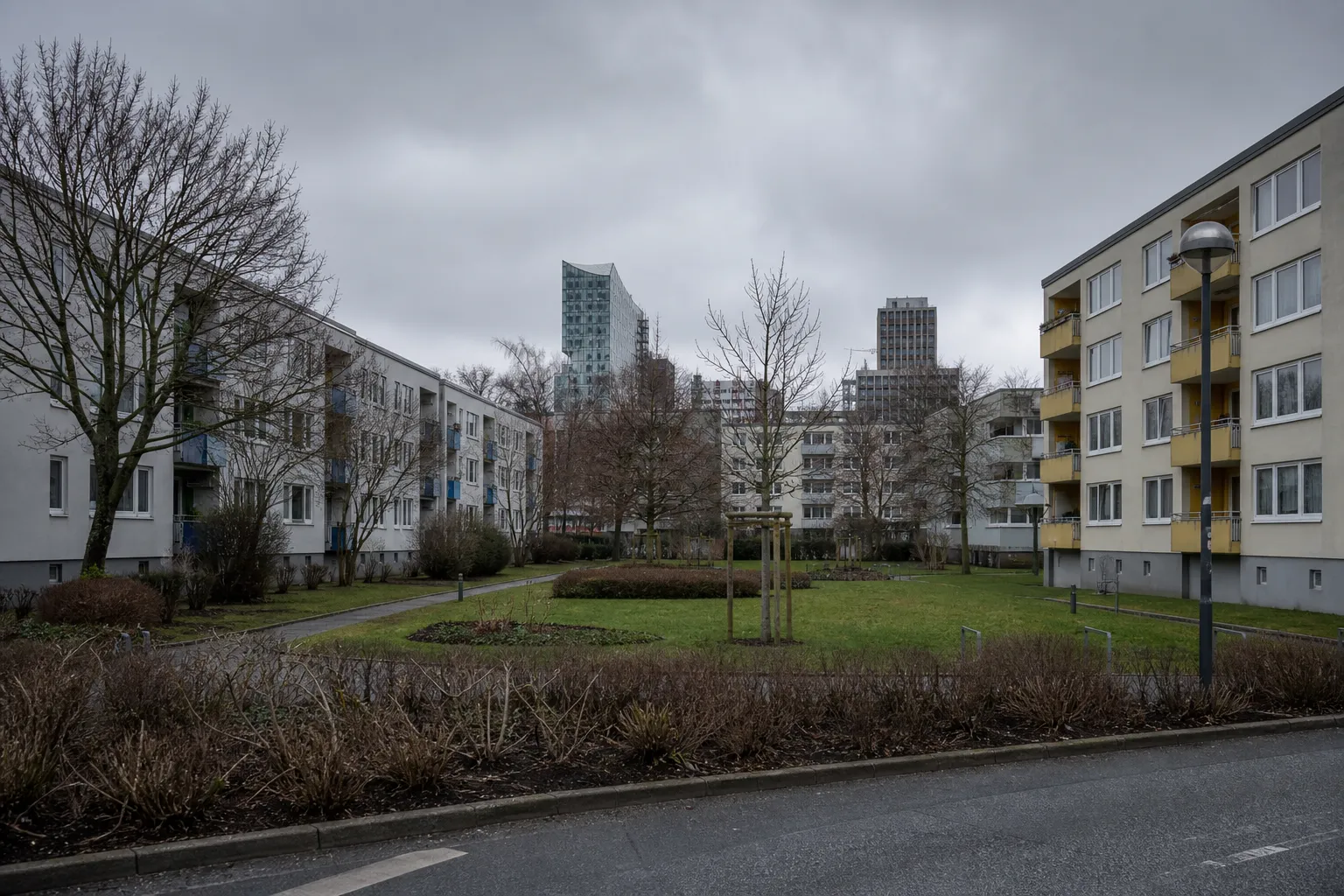
In Germany, three of the four suspected plane hijackers involved in the September 11, 2001 attacks in the United States had previously lived in Hamburg. According to Deutsche Welle English, nearly 3,000 people were killed in the terrorist attacks, during which Islamist terrorists hijacked four passenger planes.
Those killed included people from 92 countries, including 11 Germans. Germany’s president at the time, Johannes Rau, who watched the destruction of the World Trade Center towers in New York, said: “This day changed the world.”
The Hamburg cell
Mohammed Atta, who was born in Egypt, came to Hamburg to study in the early 1990s. He was believed to have led the group of attackers. According to the publication, Atta became radicalized, among other places, at Hamburg’s Al-Quds mosque, which was later closed by German security authorities. For the final three years of his life, he lived in an apartment in the Harburg district with two other suspected participants in the attacks.
The so-called Hamburg terrorist cell was estimated to have included six people. Moroccan citizen Mounir el-Motassadeq was tried as an accomplice in the world’s first trial related to the September 11 attacks. In 2003, the Hanseatic Higher Regional Court sentenced him to 15 years in prison for aiding and abetting thousands of murders and membership in a terrorist organization. After serving his sentence, he was deported to Morocco.
More current news is available on the UA.News Telegram channel Telegram.
Security changes and participation in the war
After the attacks, the government of Chancellor Gerhard Schröder declared Germany’s “unconditional” solidarity with the United States. Within a few weeks, the ruling coalition of Social Democrats and Greens presented its first security measures package, providing additional funding, personnel and broader powers for the police and intelligence services.
Less than four months later, an anti-terrorism law came into force. Intelligence services gained access to personal data held by banks, airlines and telecommunications companies, while migration rules were tightened. At the same time, Germany’s Federal Constitutional Court in 2006 limited mass data checks without specific suspicion, and in 2013 declared certain provisions of the anti-terrorism database unconstitutional.
In December 2001, Germany also joined the war in Afghanistan, which the United States launched against the Taliban after it refused to hand over al-Qaeda leader Osama bin Laden. The conflict ended in August 2021 with the Taliban’s return to power. About 3,600 members of international forces were killed, including 59 Bundeswehr service members. Three German police officers were also killed.


