
What physical sacrifices will the Artemis II mission crew make? — Daily Mail
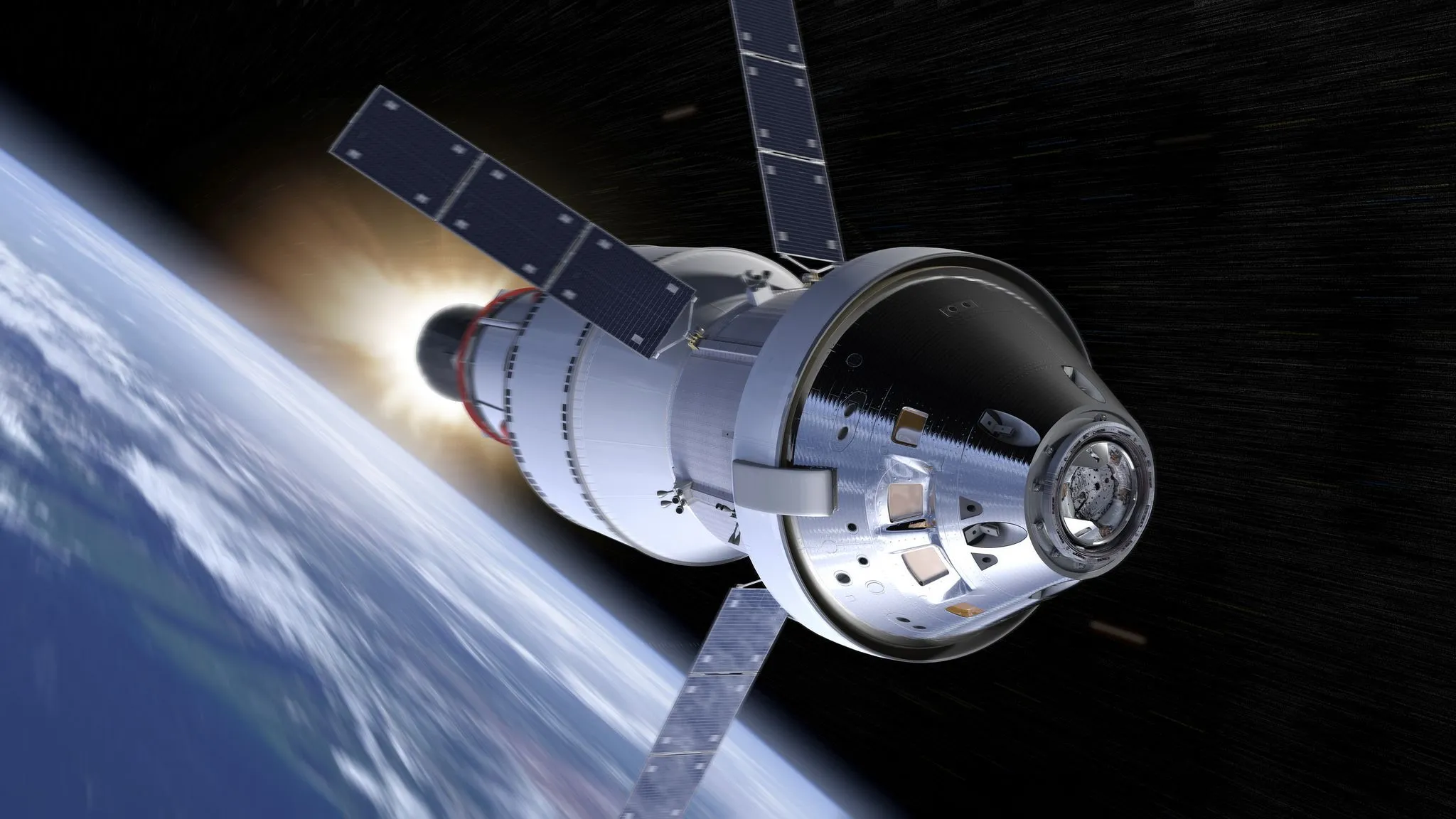
As NASA prepares for the historic Artemis II mission to fly around the Moon, scientists warn that even a short ten-day trip can have a significant impact on human physiology.
This was reported by the Daily Mail.
Four astronauts—Reid Wiseman, Victor Glover, Jeremy Hansen, and Christina Koch—will travel over 1.1 million kilometers, facing a range of health challenges.
According to Dr. Irene Di Giulio of King’s College London, although the risks of this mission are lower than during a months-long stay on the ISS, the space environment will still take its toll.
The first challenge will be “space sickness”—a state of disorientation that occurs as the vestibular system adapts to weightlessness.
In addition to nausea, astronauts will experience the effects of fluid redistribution in the body. In microgravity, blood and other fluids shift to the upper body, causing:
- a sensation of intense internal pressure;
- facial swelling (“moon face”);
- a stuffy nose.
Even over such a short period as 240 hours, destructive processes can begin in the body.
Experience from previous shuttle missions shows that after two weeks in space, a person begins to lose muscle mass and experience a decrease in bone density.
The crew will also be exposed to increased levels of cosmic radiation, which carries long-term radiation risks.
The crew’s psychological state will also be under strain. Isolation within the confined space of the Orion spacecraft and disruptions to circadian rhythms (sleep cycles) due to specific lighting conditions may affect performance.
To minimize these effects, the flight program includes intense physical exercise and a strict daily routine.
As a reminder, NASA is preparing for a historic flight around the Moon; the Artemis II mission is set to launch on February 6.
NASA has also announced the date of the first human flight to the Moon in 50 years.
