
Japan is strengthening its defenses in response to the growing ties between Russia, China, and North Korea
The Japanese Ministry of Defense stated that military cooperation between Russia, China, and North Korea is becoming an increasingly serious threat to security. In its new “Defense White Paper,” Tokyo emphasizes that coordination among these three countries could affect not only the Indo-Pacific region but also the global security system.
In its annual “Defense White Paper,” the Japanese Ministry of Defense separately analyzed the military cooperation between Russia, China, and North Korea. The document was presented to the country’s government. Japanese analysts believe that the security of Europe and Asia cannot be considered separately today. In their view, military-technical cooperation among the three states is already creating risks far beyond East Asia.
The document pays particular attention to relations between Russia and North Korea. According to the Japanese government, North Korea supplies Russia with artillery ammunition and ballistic missiles, and has also sent its military personnel to participate in the war against Ukraine. At the same time, Japan suspects that Moscow may be transferring technology related to nuclear and missile programs to Pyongyang.
For North Korea, cooperation with Russia offers another important opportunity: its military gains real-world experience in modern warfare. Specifically, this involves the use of drones and improving missile accuracy.
Russia and China are conducting an increasing number of military exercises
A separate section of the Japanese report is devoted to military cooperation between China and Russia. The countries continue to expand the scale of their joint military exercises in the Sea of Japan, the East China Sea, and the Pacific Ocean.
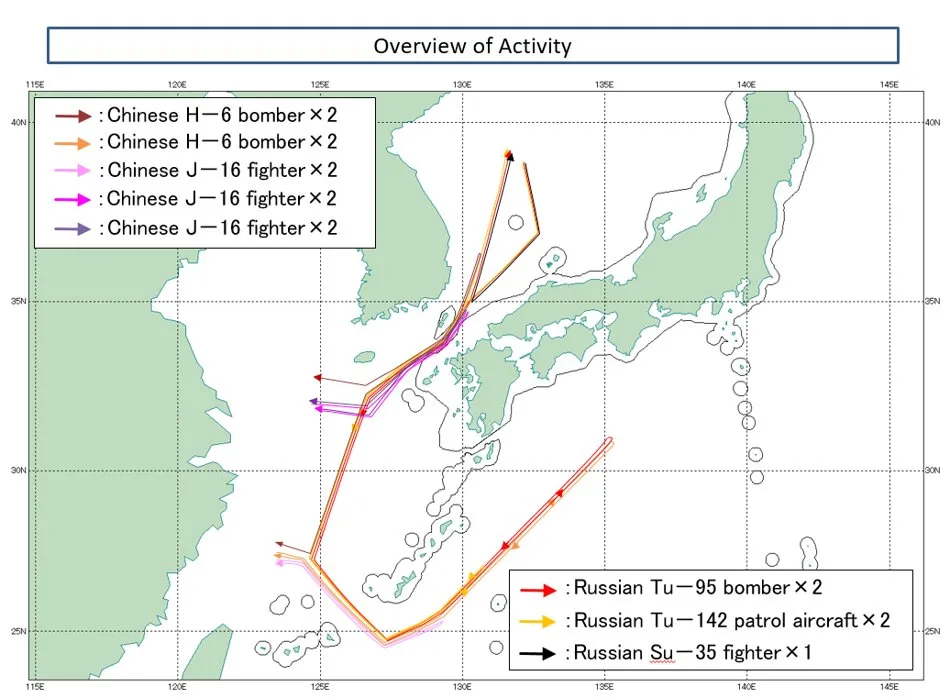
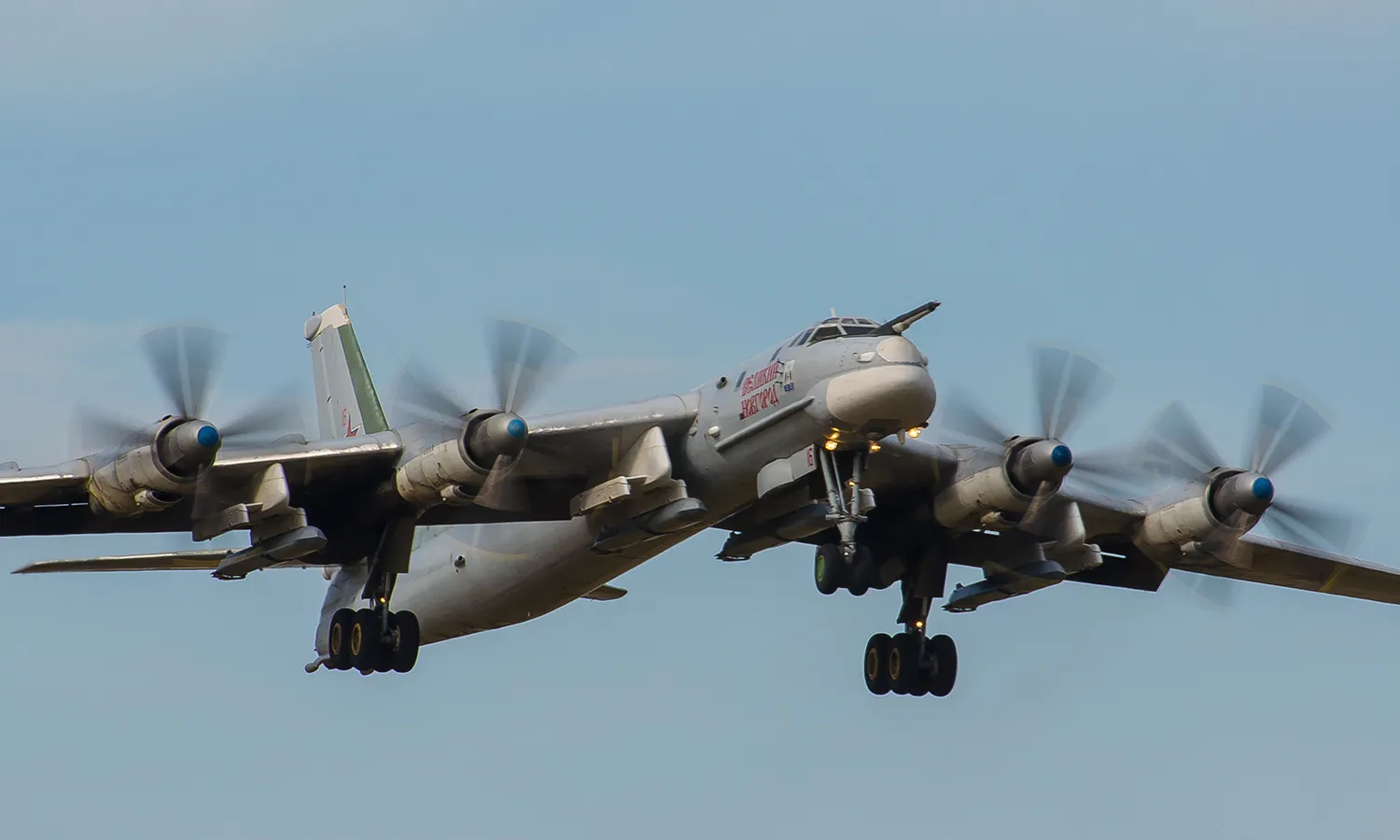
Japan is also paying attention to the regular flights of Russian and Chinese strategic bombers. In addition, joint groups of warships are passing near Japan’s borders. Tokyo believes that such activity is not coincidental. The Japanese Ministry of Defense views it as a planned demonstration of military force. This is particularly important for Japan due to the country’s geographical location. Russian and Chinese military forces regularly operate in close proximity to Japanese airspace and territorial waters.
The three leaders demonstrated unity
The “White Paper” also mentioned the political aspect of the rapprochement between the three countries. Japanese authorities noted the joint appearance of the leaders of China, Russia, and North Korea—Xi Jinping, Vladimir Putin, and Kim Jong-un—at the military parade in Beijing. For Tokyo, this was yet another sign of strengthening ties between the countries.
Japan believes that such coordination may be aimed at changing or undermining the existing international order. At the same time, the document addresses not only specific military actions but also a broader trend toward closer ties among the three nations.
Japan Is Increasing Defense Spending
Against the backdrop of these risks, Japan continues to strengthen its own defense capabilities. For fiscal year 2026, the country has allocated more than $58 billion for defense. Tokyo is also preparing an early review of three key strategic documents in the field of national security.
At the same time, Japan is expanding its international cooperation. The country is strengthening its alliance with the United States and developing partnerships with other nations and organizations. In particular, Tokyo is intensifying its cooperation with AUKUS and the NATO-IP4 framework, which includes Japan, Australia, New Zealand, and South Korea.
In this way, Japan is seeking to respond not only to individual military actions by Russia, China, or North Korea, but also to the overall intensification of their coordination. Tokyo believes that further rapprochement among these nations could have security implications far beyond the Indo-Pacific region. This is stated in a government report by the Japanese Ministry of Defense.
Japan successfully conducted its first test launch of a Tomahawk cruise missile from its Aegis-equipped destroyer, the JS Chokai. The test took place in the United States.


