
Japan and US agree to strengthen security cooperation — The Japan Times
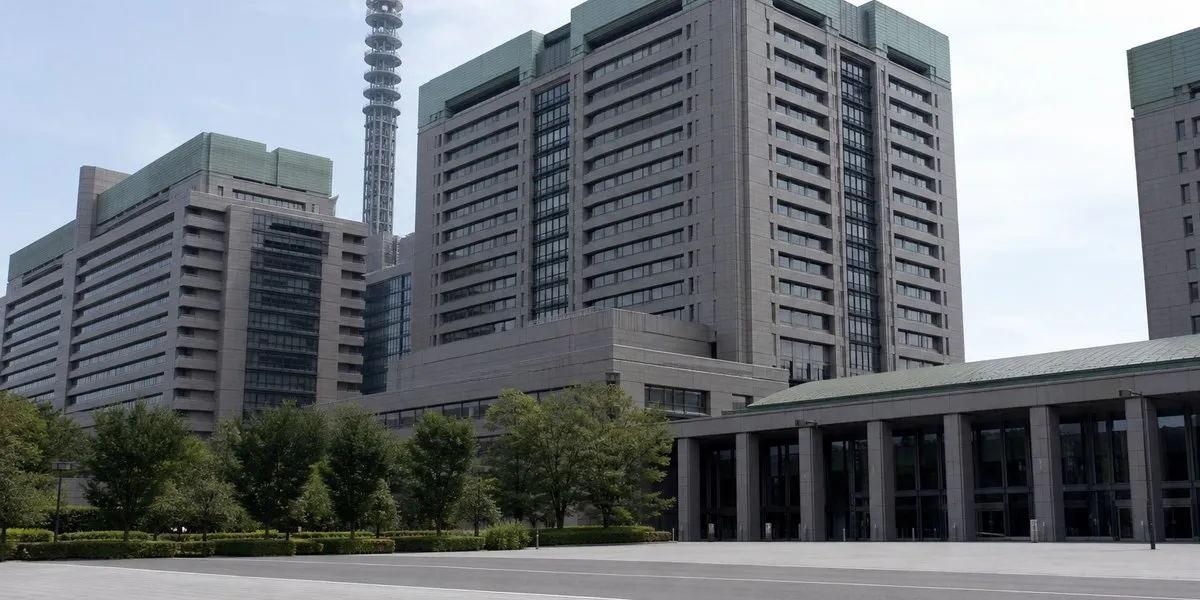
In Japan, Defense Minister Shinjiro Koizumi and Pentagon chief Pete Hegseth agreed during a telephone conversation to further strengthen the capabilities of the Japan-US security alliance. The Japan Times reported this, citing Japan’s Ministry of Defense.
This was the eighth conversation between Koizumi and Hegseth since they took office. It took place after Koizumi was reappointed defense minister during a cabinet reshuffle by Prime Minister Sanae Takaichi.
Review of security documents
According to Japan’s defense ministry, Koizumi stressed the urgent need to strengthen the country’s defense capabilities. The Takaichi administration plans to review three key national security documents by the end of the year.
Koizumi also noted exceptionally close communication with Hegseth. The sides agreed to hold an in-person meeting in the near future.
More current news is available on the UA.News Telegram channel Telegram.
At the same time, it is unclear whether they discussed Takaichi’s meeting with US President Donald Trump scheduled for next week, as well as other current issues between the allies, including Washington’s desire to secure higher defense spending from Tokyo.
Defense spending and support for US forces
As the publication writes, Tokyo is considering setting a new medium-term defense spending target at 3.5% of gross domestic product. Such a figure would correspond to the level of NATO, South Korea, and other US allies.
At the end of August, Japan’s Ministry of Defense submitted a budget request for the next fiscal year of nearly ¥9 trillion, or $57.7 billion. After additions are made at the end of the year in connection with the review of security documents, the amount will likely exceed ¥10 trillion.
Japan is also negotiating financial support for US forces stationed in the country. During his first presidential term, Trump is believed to have initially urged Tokyo to increase such support fourfold. The Japanese side is concerned that the United States may again demand a significant increase.


