
Chapels of a judge and his scribe father found in Saqqara — Jerusalem Post
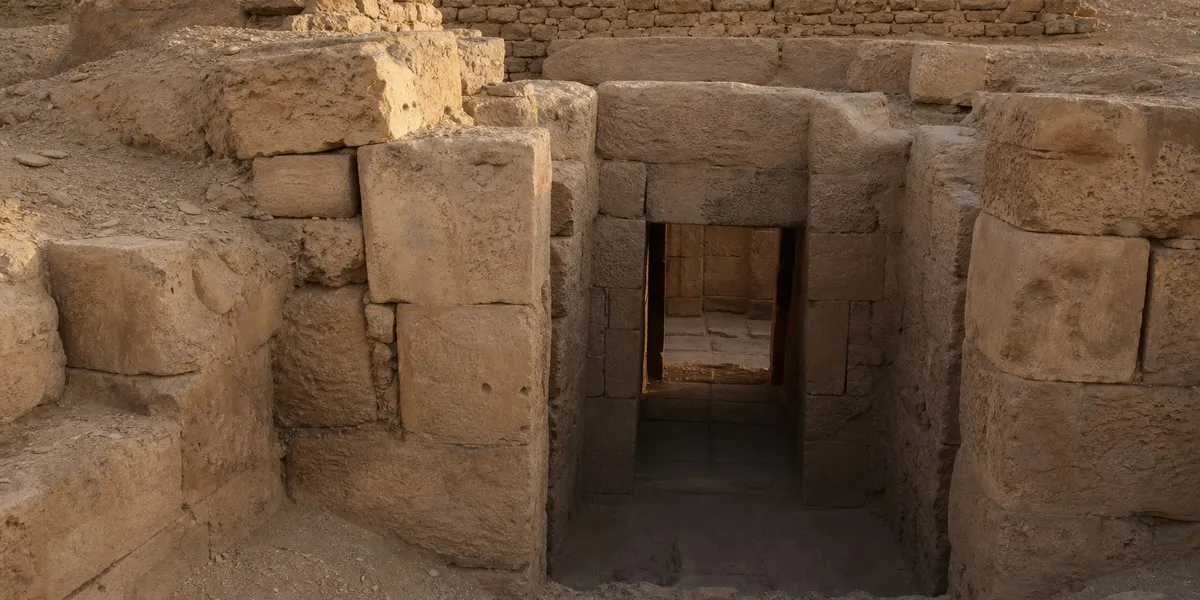
An Egyptian-Spanish archaeological mission has discovered in Saqqara, Egypt, two burial chapels of the ancient Egyptian judge Yunmin and his father, the scribe Iti. As The Jerusalem Post reports, the find was made at the Mariette Cemetery archaeological site north of the village of Saqqara.
The chapels are located in a medium-sized mastaba and date to the reign of Pharaoh Djedkare Isesi of the Fifth Dynasty — a period from the late 25th to the mid-24th century BCE. The tomb itself was discovered in the 19th century by French archaeologist Auguste Mariette, but the chapels inside it had remained unknown until now.
The excavations are being conducted by the mission as part of a joint scientific project of the Autonomous University of Barcelona and Egypt's Supreme Council of Antiquities.
Yunmin's chapel
The main chapel, located on the northern side of the tomb, belonged to Yunmin. He held several high judicial positions, including judge, head of the court and chief scribe responsible for considering petitions and complaints.
More current news is available on the UA.News Telegram channel Telegram.
The head of the mission from the Autonomous University of Barcelona, Cervelló Autuori, said that archaeologists found in the chapel a characteristic architectural façade with funerary texts, an offering formula and the name of the tomb's owner. The walls are decorated with high-quality reliefs depicting scenes of agricultural work and processions bringing offerings to the tomb. Some of these images have retained their original colors.
Iti's chapel
The southern chapel belonged to Yunmin's father, Iti. He held several scribal positions related to the administration of agricultural lands and offerings. False doors and colored wall paintings depicting scenes of bringing gifts were discovered in his chapel, although a significant part of the decoration has been lost.
In ancient Egyptian funerary beliefs, false doors were a boundary between life and death through which the spirit of the deceased or a deity could pass. According to Hisham el-Leithy, secretary-general of Egypt's Supreme Council of Antiquities, the discovery adds to knowledge about the architecture, art and administrative positions of high-ranking officials in the Saqqara necropolis during the late Fifth Dynasty.


