
Bolivia ends diesel subsidies after Senate decision on IMF program — The Rio Times
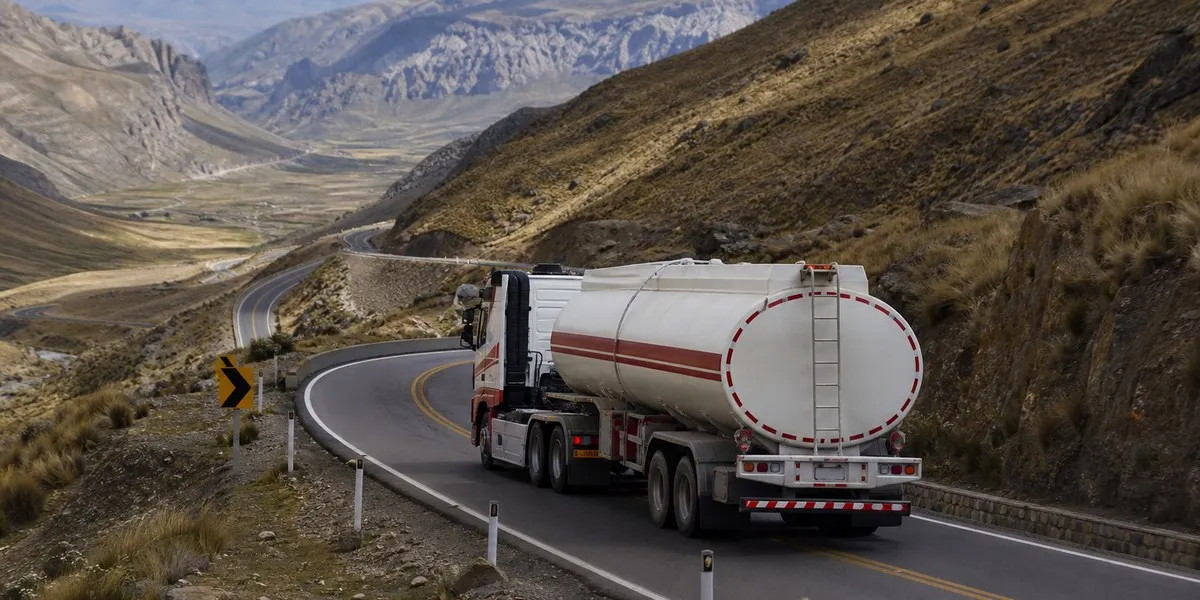
Bolivia stopped subsidizing diesel fuel on September 19, 2026: the price per liter rose from 9.80 to 17.95 bolivianos, or by approximately 83%. The Rio Times reports. The decision took effect under Supreme Decree No. 5716, the day after the Senate approved a law on an IMF loan program worth about $1.9 billion.
The new price includes value-added tax and applies to all diesel consumers, including transport operators, private drivers, farmers, and large enterprises. President Rodrigo Paz said that from now on, diesel would cost as much as the state pays to purchase it abroad. According to AP, Bolivia imports about 85% of the diesel fuel it consumes.
The price will depend on imports
The decree replaces the fixed price with a formula that takes into account international quotations, transportation and storage costs, trade markups, and customs payments. According to Unitel, the price may be adjusted up or down if import costs change by more than 5%.
More current news is available on the UA.News Telegram channel Telegram.
The Ministry of Hydrocarbons and Energy must publish the detailed calculation structure within five days. The decree did not change the price of gasoline. AP reported that gasoline subsidies are to end in January 2027, but the government has not yet published a corresponding decree or a new price.
IMF program and compensation
On September 18, Bolivia's Senate approved the IMF Extended Fund Facility program worth 1.369 billion special drawing rights, which amounts to approximately $1.9 billion. Deputy Treasury Minister Oscar Navarro said the government expects the IMF Executive Board to consider the program on October 2. According to him, the first tranche of about $250 million may arrive within several days after such a decision.
Paz also announced the Bono Pepe II cash assistance program, totaling 874 million bolivianos for approximately 2.9 million people. The authorities have provided a preferential credit line of 800 million bolivianos for carriers, traders, artisans, and producers. According to the source, farmers, drivers, and representatives of other productive sectors had previously said they intended to protest against the abolition of the subsidy.


