
Israel describes distinctive pelvic structure in modern men — Jerusalem Post
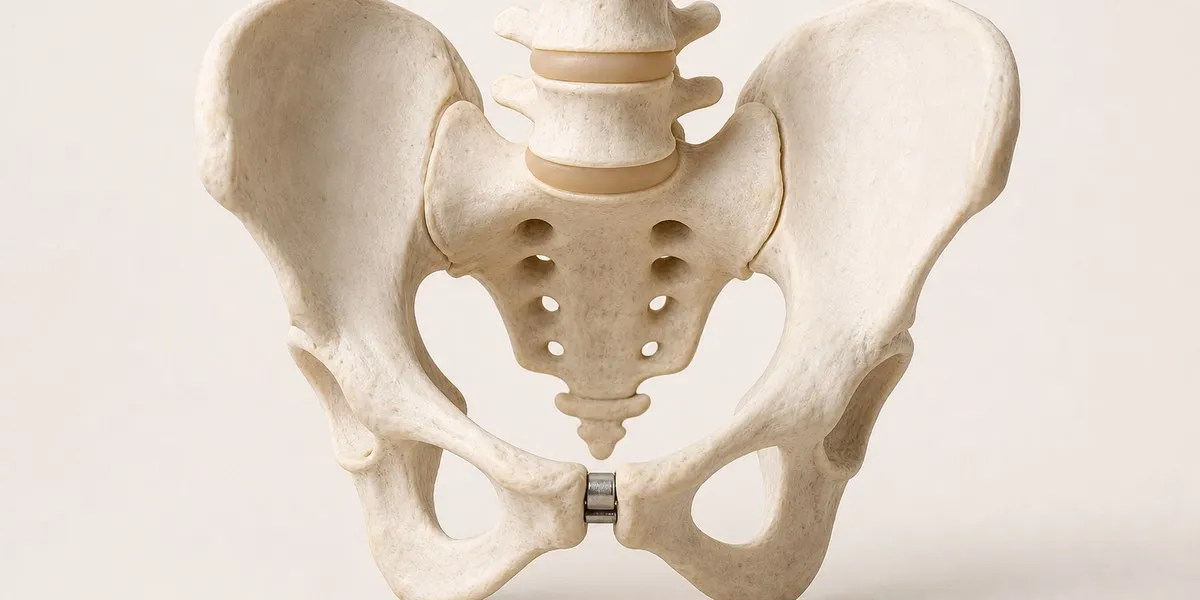
Researchers at Tel Aviv University in Israel concluded that the pelvis of modern Homo sapiens males has a distinctive geometry of the hip joints that may have made walking more energy-efficient. The Jerusalem Post reports on the results of the study published in the journal Scientific Reports.
Comparison of Neanderthal and human pelves
The group was led by Yoel Rak, a professor in the Department of Anatomy and Anthropology at Tel Aviv University. It also included scientists from Spain, the Technion, Bar-Ilan University and Ono Academic College.
The authors compared two nearly completely preserved male Neanderthal pelves — from Kebara Cave in Israel and the Sima de los Huesos site in Spain — with dozens of pelves from modern humans. By most measurements and proportions, the Neanderthal pelvis, despite its large size and robust build, proved to be more similar to that of modern women than to that of modern men.
The scientists suggest that the configuration shared by Neanderthals and modern women is more ancient and ancestral. In contrast, in modern men, the hip joints are positioned farther forward, which the authors described as an evolutionary change.
More current news is available on the UA.News Telegram channel Telegram.
Model of the walking mechanism
According to the researchers' biomechanical model, the forward displacement of the hip joints increases the horizontal distance between the joint and the line of gravity. During a step, the body's center of mass descends, while the hip flexor muscles can cushion this movement, store potential energy and release it for the next step.
The team compares this principle to a built-in spring mechanism which, in its view, could reduce energy expenditure during prolonged walking. The researchers noted that their model may also explain some of the sex-related anatomical differences in the human pelvis.
Co-author Ella Been of Ono Academic College said that studying the evolution of the walking mechanism may be useful for biomechanics, musculoskeletal research, rehabilitation and injury prevention. Rak also noted that this mechanism could potentially be important for research into joint problems, osteoarthritis, hip prosthesis designs and rehabilitation programs.


