
Japanese lawmakers are planning a visit to China amid tense relations
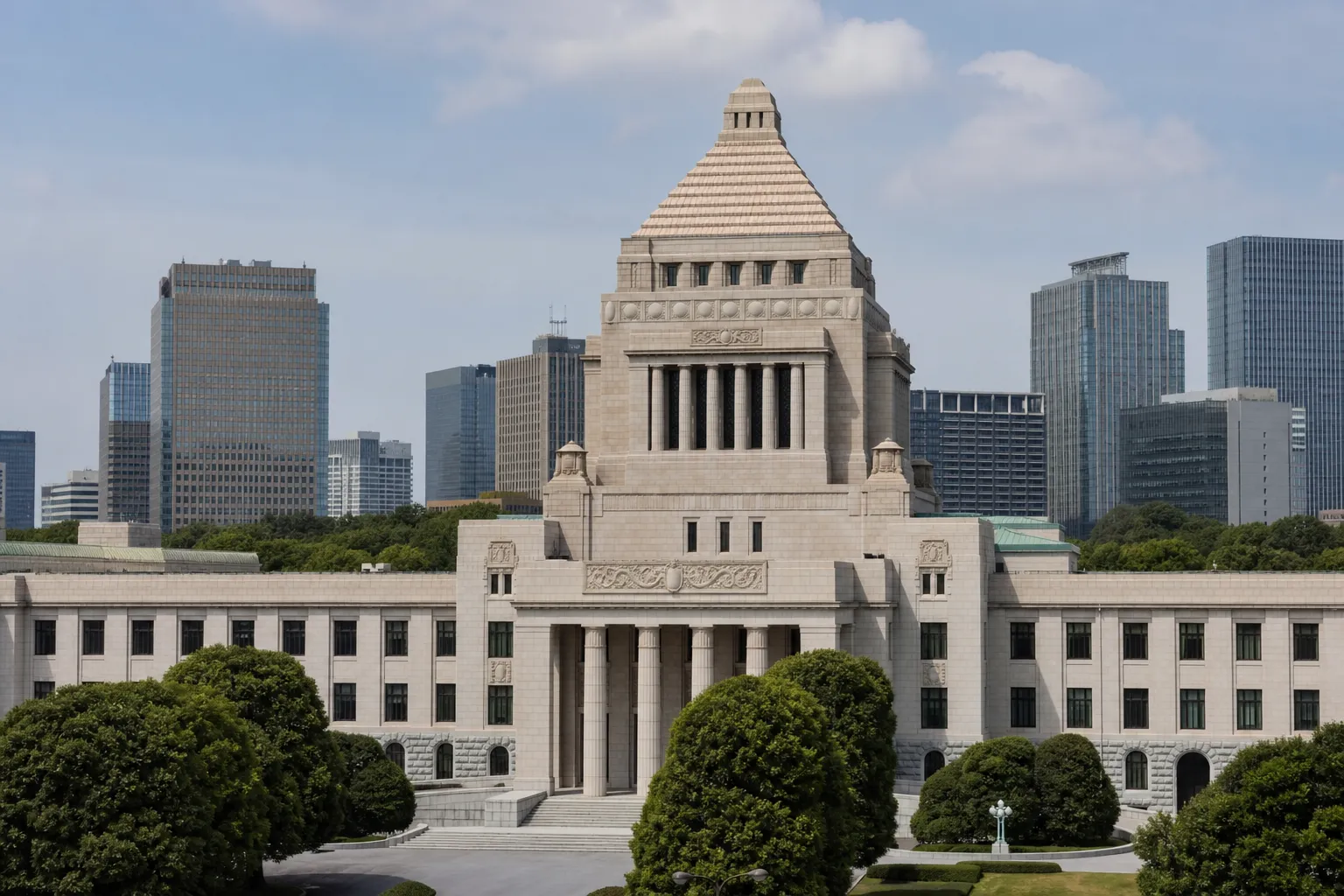
According to Japanese media reports, a cross-party delegation of Japanese lawmakers plans to visit Beijing on August 24–27. This will be the first trip by Japanese lawmakers to the Chinese capital since relations between the two countries deteriorated sharply about ten months ago, the South China Morning Post reports.
The delegation may include members of the lower house of Japan’s National Diet, including Gaku Hashimoto of the ruling Liberal Democratic Party and Shinichi Isa of the main opposition Centrist Reform Alliance. According to Japanese media reports, the lawmakers discussed confirming meetings with representatives of the Chinese Communist Party’s diplomatic arm.
Xu Weijun, an associate research professor at the Institute of Public Policy at South China University of Technology, described the potential trip as a semi-official diplomatic initiative conducted through channels outside the key structures of the executive branch. According to him, there is no public information regarding an official mandate for the delegation from the office of Japanese Prime Minister Sanae Takai, the Japanese Ministry of Foreign Affairs, or the LDP leadership.
For more breaking news, follow the UA.News Telegram channel.
In Xu’s view, the visit is more about crisis management and maintaining a direct line of communication than it is a sign of a rapid thaw in bilateral relations. Chen Yang, director of the Center for Japanese Studies at the Beijing-based Haiya Institute, called the trip a positive signal that could help restore frozen channels of political communication and halt further deterioration of relations.
Relations between Beijing and Tokyo deteriorated sharply following Takai’s statement in the Japanese parliament on November 7. At that time, she said that a military attack by Beijing on Taiwan or a naval blockade of the island could pose a situation for Japan that threatens its very survival. This could mean that Tokyo might exercise its right to collective self-defense.
This year, tensions have escalated due to China’s restrictions on exports of rare earth elements and dual-use goods to Japan, as well as Japan’s accelerated buildup of defense capabilities and the deepening of Tokyo’s military cooperation with the United States, the Philippines, and Australia. Chen Yang noted that improved relations would depend on the resumption of high-level political contacts, the Japanese government’s actions regarding Taiwan and its security policy, as well as the transformation of dialogue into practical cooperation.


