
Indonesia announces creation of peatland management agency — Mongabay
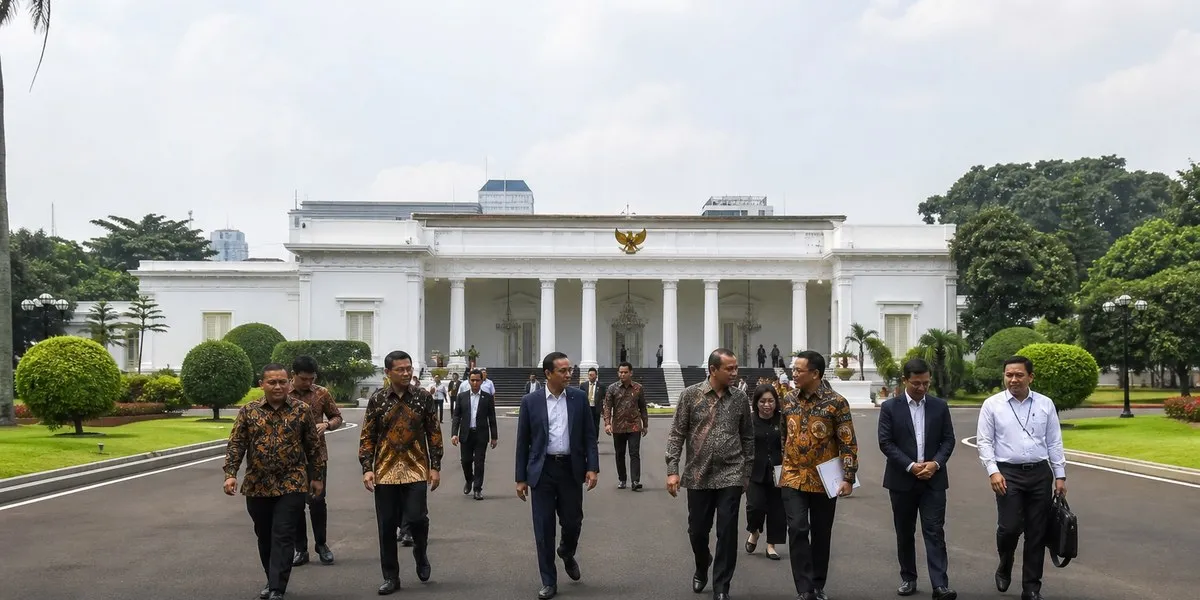
Indonesian authorities have announced the creation of the National Peatland and Mangrove Ecosystem Management Agency (BPGMN). Forestry Minister Raja Juli Antoni announced this after President Prabowo Subianto met with 22 experts in Jakarta, Mongabay reports.
The new body will report directly to the president and, according to the minister, will be staffed by scientists and specialists. It is intended to replace the Peatland and Mangrove Restoration Agency (BRGM), whose mandate ended on December 31, 2024. BRGM was established in 2016 after the large-scale forest and land fires of 2015, and its authority was extended to mangrove ecosystems in 2020.
Powers of the new body
The environmental organization Walhi said that BPGMN must receive a clear mandate, authority, success indicators and operational mechanisms to address the causes of peatland degradation. The independent monitoring group Pantau Gambut also noted that the government has not yet published the legal basis for the new institution, its structure, operating term, coordination mechanisms with other bodies, or the procedure for evaluating results.
According to Pantau Gambut, after BRGM was dissolved, its responsibilities were distributed among ministries. This complicated coordination, particularly in areas where peatlands overlap with forest tracts overseen by different agencies. Experts at the meeting with the president called for BPGMN to be granted broader authority than the previous agency had. According to peatland expert Gusti Zakaria Anshari, the new body should be responsible not only for restoration but also for managing peatlands and mangrove ecosystems.
More current news is available on the UA.News Telegram channel Telegram.
Fire prevention
The government said the agency will primarily focus on preventing forest and land fires in six provinces with large peatland areas: Riau, Jambi and South Sumatra, as well as West, Central and South Kalimantan. University of Indonesia professor Yulianto S. Nugroho cited research findings according to which extinguishing a fire on one hectare of peatland requires from 200,000 to 1 million liters of water.
BRGM reported that by the end of its mandate, it had worked on about 1.6 million hectares of peatlands and 84,000 hectares of mangrove areas. At the same time, a study published this year linked canal blocking and the installation of deep wells to a reduction in the number of hotspots by no more than 22% in restored areas during the 2019 El Niño. Monitoring by Pantau Gambut showed that 70% of inspected canal-blocking structures were damaged, while groundwater levels remained below the safe threshold at 52% of sites.
According to the government's estimate, 20 million hectares, or 84% of Indonesia's peat ecosystems, are degraded. As of October 1, the Nusantara Atlas platform recorded more than 827,000 hotspots, compared with about 616,000 during the same period in 2019. Hotspots indicate the likelihood of fire but are not a direct indicator of the area of burned land.




