
Iran will not make concessions on nuclear program — Jerusalem Post
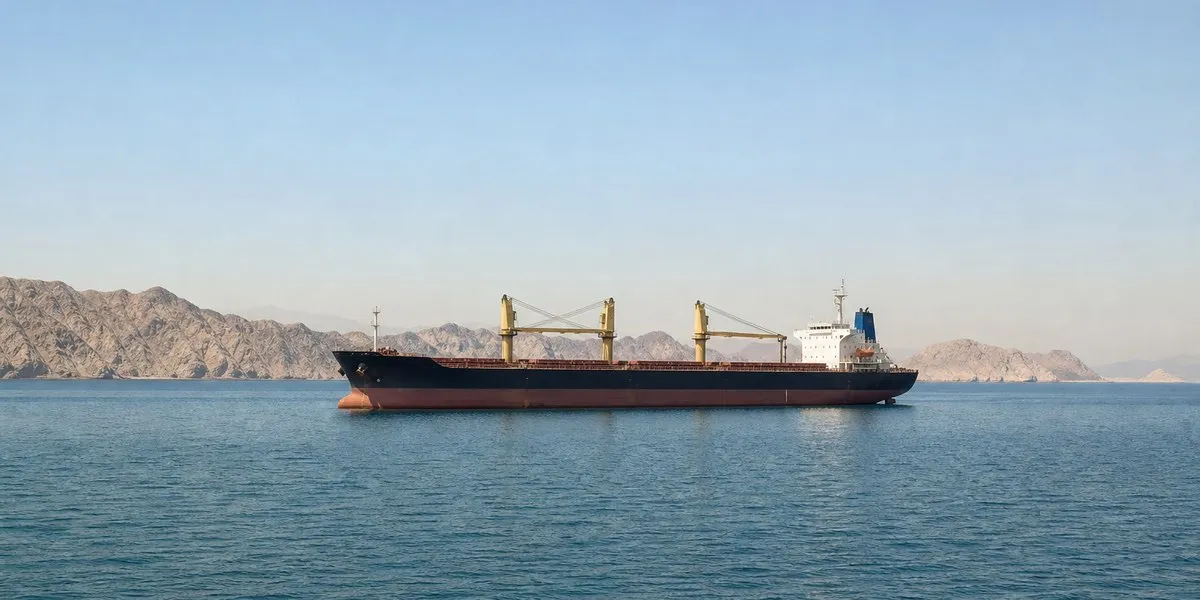
Iran will not show flexibility regarding its nuclear program, even if the United States agrees to the conditions proposed by Tehran for reopening the Strait of Hormuz. An unnamed senior Iranian official told Reuters this, The Jerusalem Post writes.
According to the agency's source, the strait will remain closed until the United States meets all of Iran's conditions. Tehran demands that hostilities on all fronts, including in Lebanon, cease for seven days. Other conditions include lifting the naval blockade of Iranian ports, unfreezing Iran's funds and lifting US oil sanctions.
Tehran's conditions
Iranian Foreign Minister Abbas Araghchi said that in exchange for reopening the strategically important Strait of Hormuz, the United States must meet these demands. The publication notes that the strait has become a key subject of negotiations in attempts to end the conflict between the United States and Iran.
According to The Jerusalem Post, Iran seeks an easing of the US blockade, which, according to the source's assessment, is harming its economy. Washington, for its part, is seeking the free passage of ships along a route important for global oil supplies.
More current news is available on the UA.News Telegram channel Telegram.
Position on uranium
Tehran said it was ready for detailed negotiations on its nuclear program only after the United States fulfills the stated conditions. At the same time, the Iranian official said that the country would not relinquish its right to enrich uranium and would not take its highly enriched uranium abroad, as demanded by the United States.
The United States, Israel and other Western countries have long accused Iran of seeking to create nuclear weapons, including through enriching uranium to 60%. Iran denies this. The International Atomic Energy Agency estimated that at the time of Israeli and US attacks on Iranian nuclear facilities in June 2025, the country had 440.9 kg of uranium enriched to 60%.
Iranian authorities had previously allowed for the possibility of diluting the most highly enriched uranium. At the same time, Reuters reported in May that Iran's Supreme Leader Mojtaba Khamenei had ordered that highly enriched uranium not be taken out of the country.




