
Iran doubles gasoline price for buyers exceeding quota
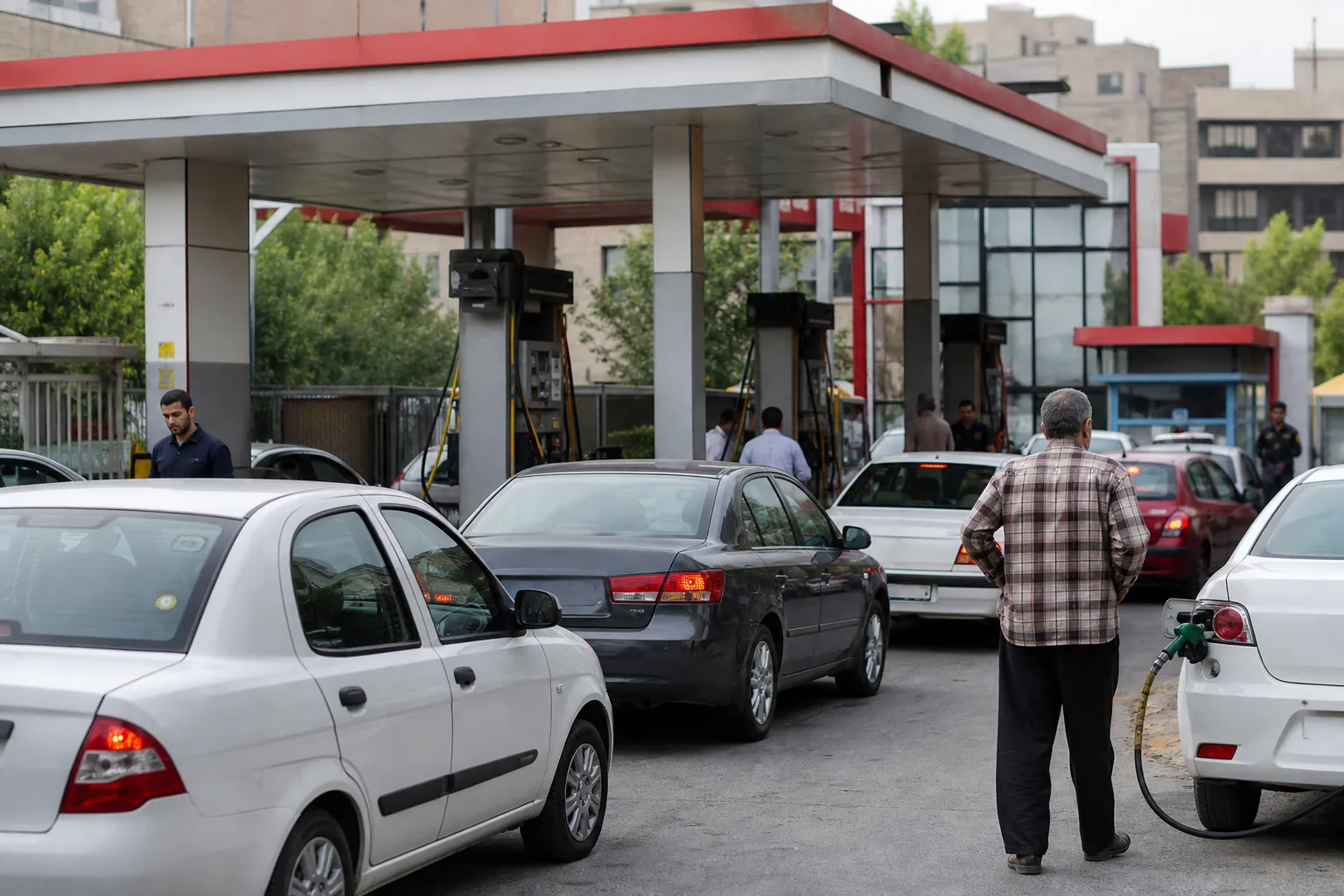
On September 8, Iran introduced a new gasoline tariff for buyers who exceed the monthly quota of 110 liters. For every liter above this volume, consumers must now pay 100,000 Iranian rials — about 7 U.S. cents. This is twice the price that had been in effect since December and the second such increase since then.
As Asharq Al-Awsat reports, authorities explained the decision by the current situation and said that additional revenue from the new tariff would be directed to households. The government statement did not directly mention the war with the United States, which, according to the publication, has been ongoing for several months.
Who will be affected by the new tariff
Keramat Veys Karami, CEO of the state-owned oil products distribution company, told IRNA that the new tariff would affect approximately 15% of consumers. According to him, gasoline consumption reached a record 145 million liters per day in August, while domestic production capacity stood at 122 million liters. The country imports the remaining fuel.
Iran has some of the lowest gasoline prices in the world, but the increase comes amid a weakening national currency and declining purchasing power among the population. On Monday, the U.S. dollar was trading at 2.22 million rials. Annual inflation in the country is about 67%, according to Iran's Statistical Center.
More current news is available on the UA.News Telegram channel Telegram.
Queues at gas stations and inflation risk
Experts cited by the publication believe that the price increase may curb high fuel consumption. Among the reasons for such demand, they cite an outdated vehicle fleet, problems with spare parts, and insufficient development of public transportation. At the same time, in their view, higher gasoline prices may fuel inflation.
An hour after the new rules were introduced, two of the eight gas stations visited by an Associated Press correspondent in Tehran were closed to adjust the tariff on fuel pumps. The other six were operating, with queues of around a dozen cars at each. Police officers in uniform and plain clothes were visible near the gas stations.
Tehran residents interviewed by AP expressed concern that higher fuel prices would cause the cost of other goods, including bread and meat, to rise. Gasoline price increases have previously triggered mass protests in Iran: following the 2019 decision, nationwide demonstrations took place and were forcibly suppressed, with reports saying that more than 300 people were killed.


