
Study names Australia most resilient to global catastrophes
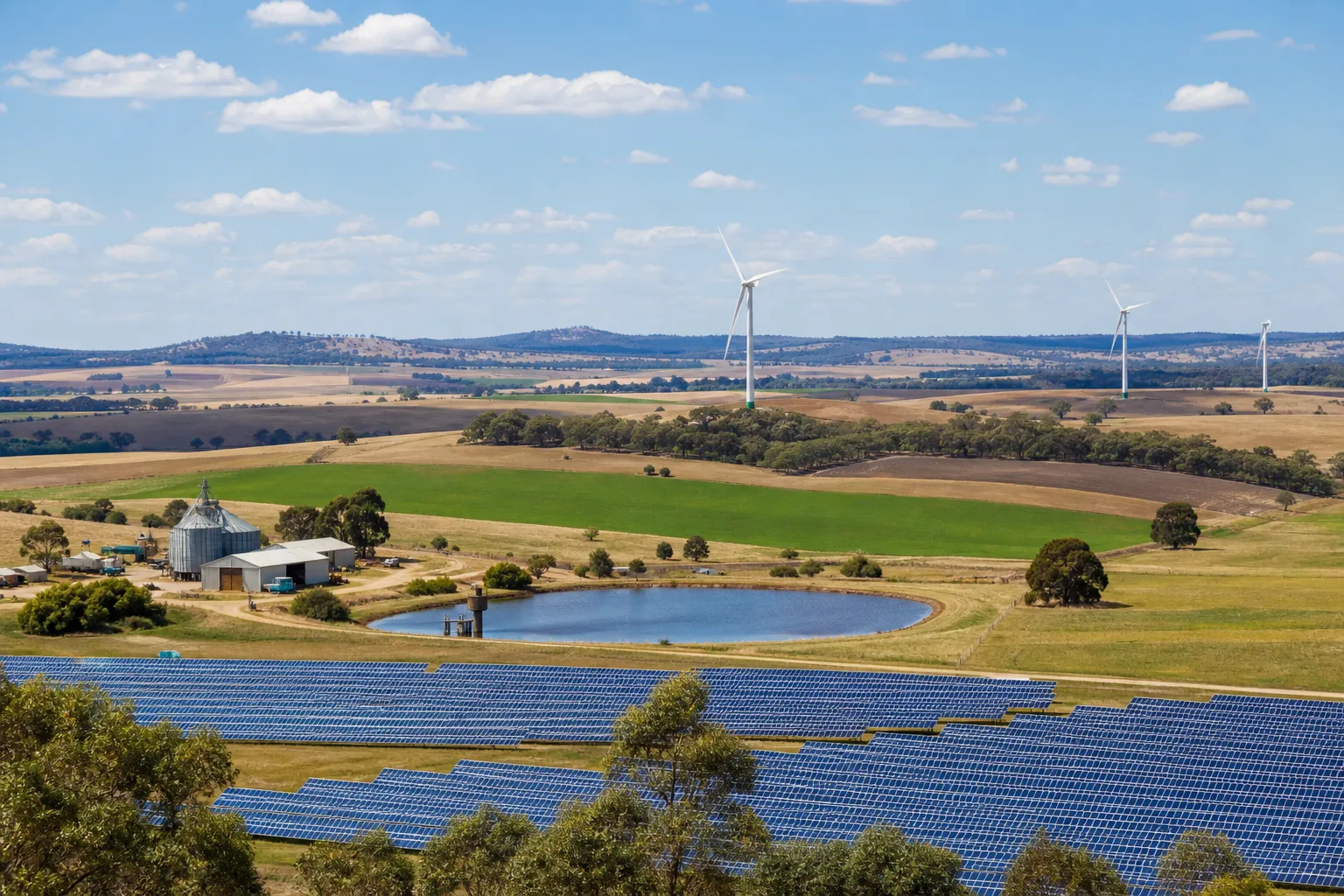
Australia may be the most resilient country in the event of a global catastrophe, such as a nuclear war, a major volcanic eruption or the impact of a large asteroid. This was the conclusion reached by the authors of a study on regional resilience to global catastrophic risks, Live Science reports.
Scientists defined global catastrophic risks as events capable of causing the deaths of more than 10% of the planet’s population within several months or years. The study was published on August 23, 2026, in the journal Global Challenges. Its authors analyzed research on food security, biological weapons and volcanology, and also consulted relevant experts.
Which risks were analyzed
The authors identified three major groups of threats: events that block sunlight, including nuclear war or a powerful volcanic eruption; events that destroy global infrastructure, such as a geomagnetic storm or a large-scale cyberattack; and biological hazards — natural or human-caused infectious diseases with high mortality.
According to the researchers, many such events could cause global famine due to crop failures and disruptions to trade networks. The study’s first author, Florian Ulrich Jehn of FernUniversität in Hagen, noted that the food system is often a decisive factor for populations.
More current news is available on the UA.News Telegram channel Telegram.
Why Australia ranked first
According to the team’s assessment, wealthy countries and regions with a strong industrial base and less dependence on global trade are more resilient to catastrophes. Domestic production enables them to manufacture goods that could not be imported after international supply chains are disrupted.
Australia has advantages due to its location in the Southern Hemisphere, significant food production, diverse climate zones and energy infrastructure. There are fewer volcanoes in the southern part of the planet, while a larger share of ocean may mitigate the climatic consequences of major eruptions. At the same time, Australia’s alliance with the United States may, in the authors’ view, increase risks for the country in a nuclear conflict scenario.
Argentina, Brazil and New Zealand followed on the list. New Zealand was rated lower because of active volcanoes, a small industrial base and vulnerability to tsunamis. For Brazil and Argentina, high inequality and a history of political instability were named as risk factors. The researchers stressed that no country is resilient to all types of global catastrophes.


