
Iran confirms death of top military commander amid conflict
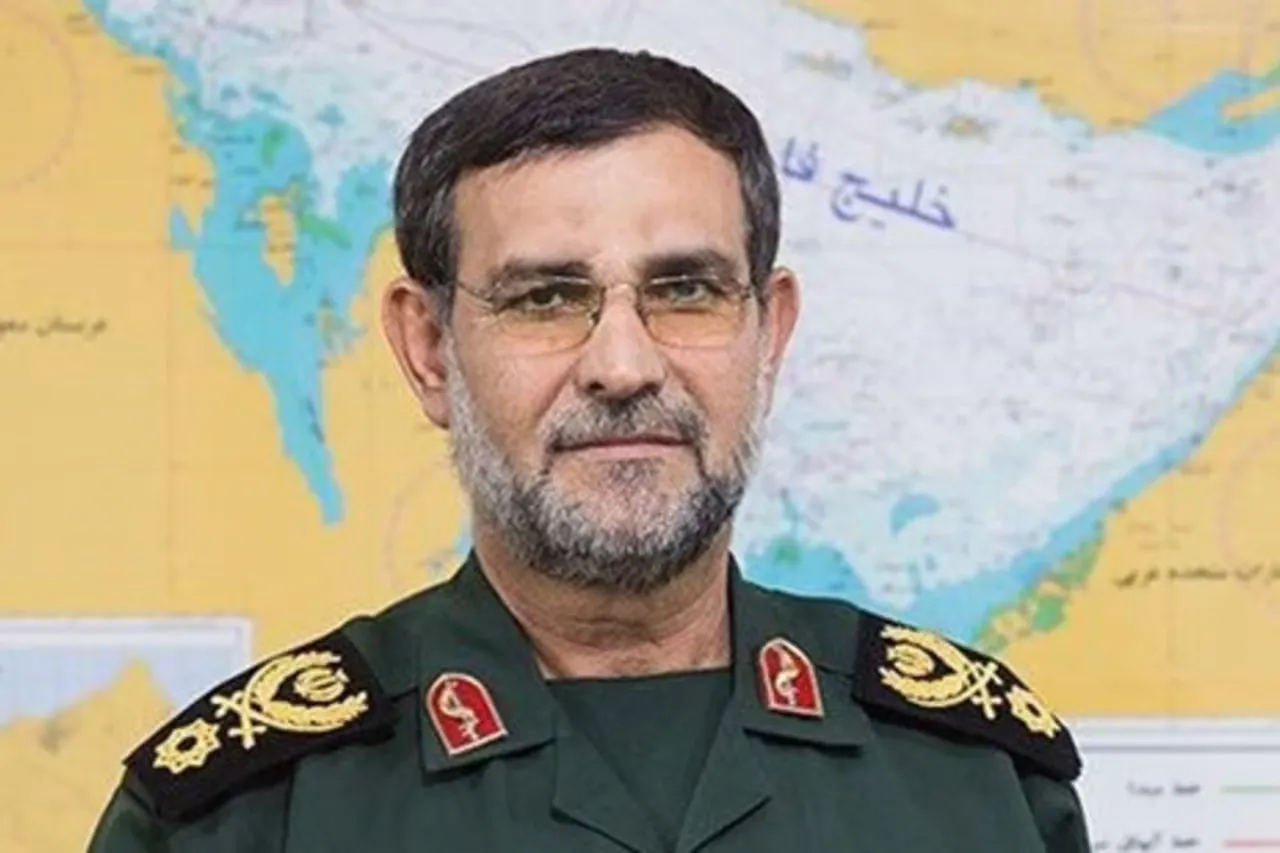
Iran has officially confirmed the death of Alireza Tangsiri, commander of the naval forces of the Islamic Revolutionary Guard Corps (IRGC). Israel had previously claimed responsibility for his death. According to Iranian media, he died from injuries sustained in a strike, according to CNN.
The Islamic Revolutionary Guard Corps said its navy commander, Alireza Tangsiri, was killed following an attack that Israel said it had carried out several days earlier, Iranian state and semi-official media reported.
According to the Tasnim news agency, Tangsiri was wounded while carrying out his duties — he was “coordinating and reinforcing forces.” Officials have not disclosed where the incident occurred or when exactly he died.
Last week, Israeli military officials said they had eliminated Tangsiri, describing him as one of the key figures in Iran’s military structure. According to them, he played a significant role in mining and blocking the Strait of Hormuz — one of the world’s main oil supply routes.
In recent months, Tangsiri had been particularly active in the public sphere. He frequently made hardline statements amid the conflict involving Iran, the United States and Israel. He was also considered one of the main figures behind the effective closure of the Strait of Hormuz.
The IRGC said such losses are not new for them, emphasizing that the navy continues to carry out its missions, including attacking enemy forces and maintaining control of the strait.
“We are accustomed to such losses,” the IRGC said. “Despite this, our forces continue to strike and maintain control of the situation,” it added.
Tangsiri’s death could become another factor of escalation in a region where tensions are already extremely high.
As previously reported, Israel eliminated Alireza Tangsiri, commander of the naval forces of Iran’s Islamic Revolutionary Guard Corps. According to media reports, he was involved in plans to close the Strait of Hormuz, one of the key maritime routes for global trade.
