
Iran has laid claim to the territorial waters of the UAE
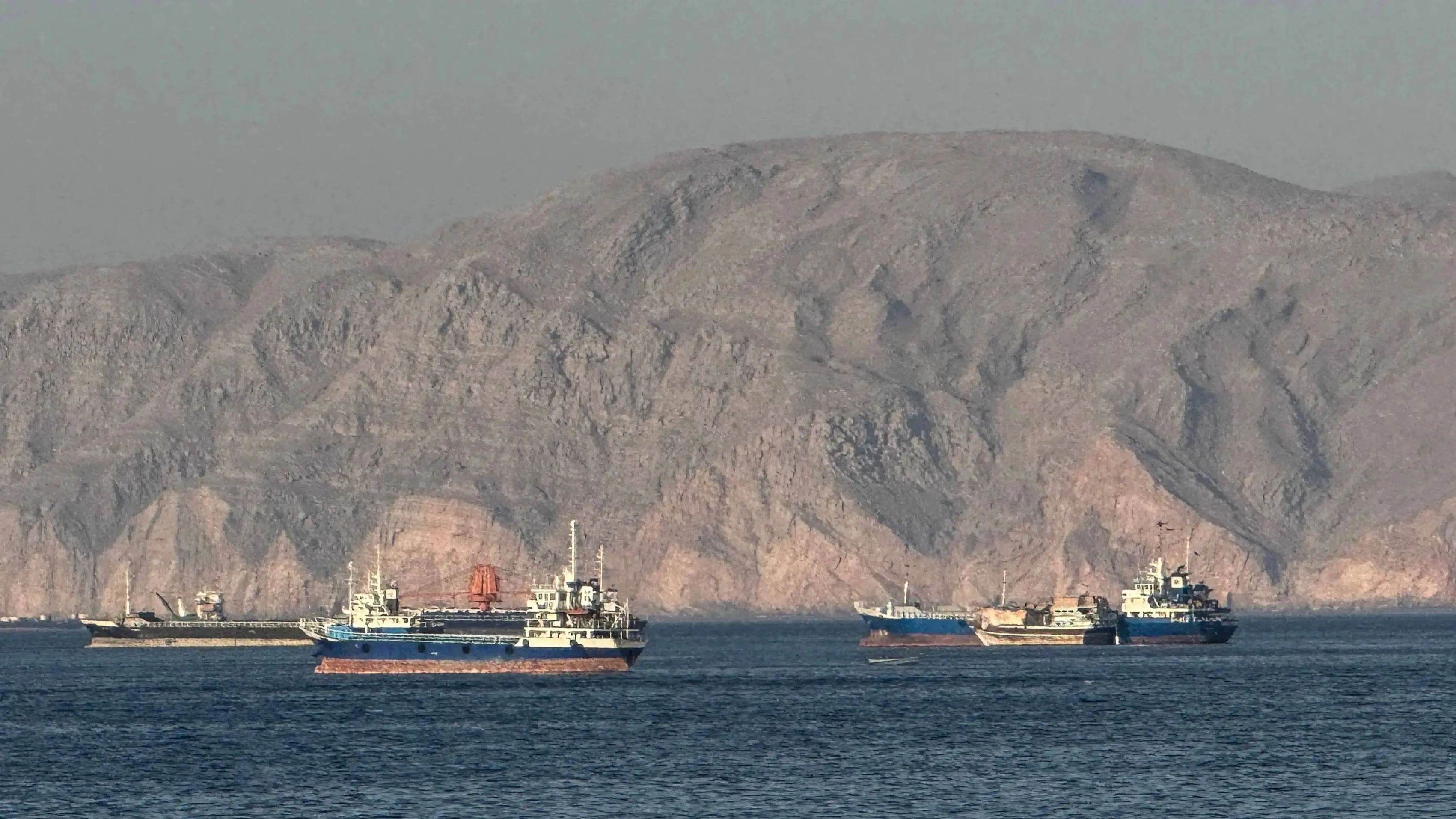
Iran has declared a new “control” zone in the Persian Gulf, which, according to its version, partially encompasses the waters of the United Arab Emirates. Abu Dhabi has sharply rejected these claims, calling them unrealistic and provocative. Against this backdrop, tensions in the region have risen significantly once again, reports Hürriyet Daily News.
Things have heated up again in the Persian Gulf—not because of tankers or attacks, but because of a map. In Iran, the recently established Persian Gulf Strait Authority published a document outlining its own “regulatory jurisdiction” over a maritime zone that, according to their wording, allegedly extends into UAE waters near Fujairah and Umm al-Quwain.
This refers to a territory that Tehran describes as strategically important for “strait management,” and which sparked an immediate reaction in the region. The UAE did not leave this unanswered: the country’s presidential adviser, Anwar Gargash, stated outright that such claims have no basis whatsoever. “Attempts to control the Strait of Hormuz or encroach on the UAE’s maritime sovereignty are nothing more than fantasies,” he wrote on social media platform X, effectively closing the matter from Abu Dhabi’s perspective.
The Strait of Hormuz remains one of the world’s most critical routes for oil transportation, and any claims of control over it immediately provoke a sharp reaction in the region and beyond. Following recent conflicts in the Persian Gulf, Iran has repeatedly announced tighter controls over ship passage, specifically requiring coordination with military authorities.
At the same time, the UAE is actively developing alternative oil export routes, notably through the port of Fujairah, which allows ships to bypass the Strait of Hormuz. The country has even accelerated construction of a new oil pipeline, which is expected to significantly increase the export capacity of the state-owned company ADNOC.
Against this backdrop, tensions between Iran and the Gulf states are rising once more. The situation is further complicated by mutual accusations of cooperation with the U.S. military and reactions to recent strikes in the region, making any claims of “control over the waters” not only political but also potentially confrontational.
Trump is willing to wait a few more days for Iran to provide the right answer
Trump announced a conversation with Taiwan’s leader regarding a $14 billion deal
Trump’s approval rating has fallen to a record low due to Republican dissatisfaction — Reuters.
Trump is building an underground complex near the White House with drone protection
Israel announced the elimination of the commander of an elite Hezbollah unit
The day before, U.S. President Donald Trump announced significant progress in negotiations with Tehran, noting that as part of a potential agreement, Iran could transfer its highly enriched uranium to the United States.


