
Irishman to vote in Sweden’s national elections for the first time
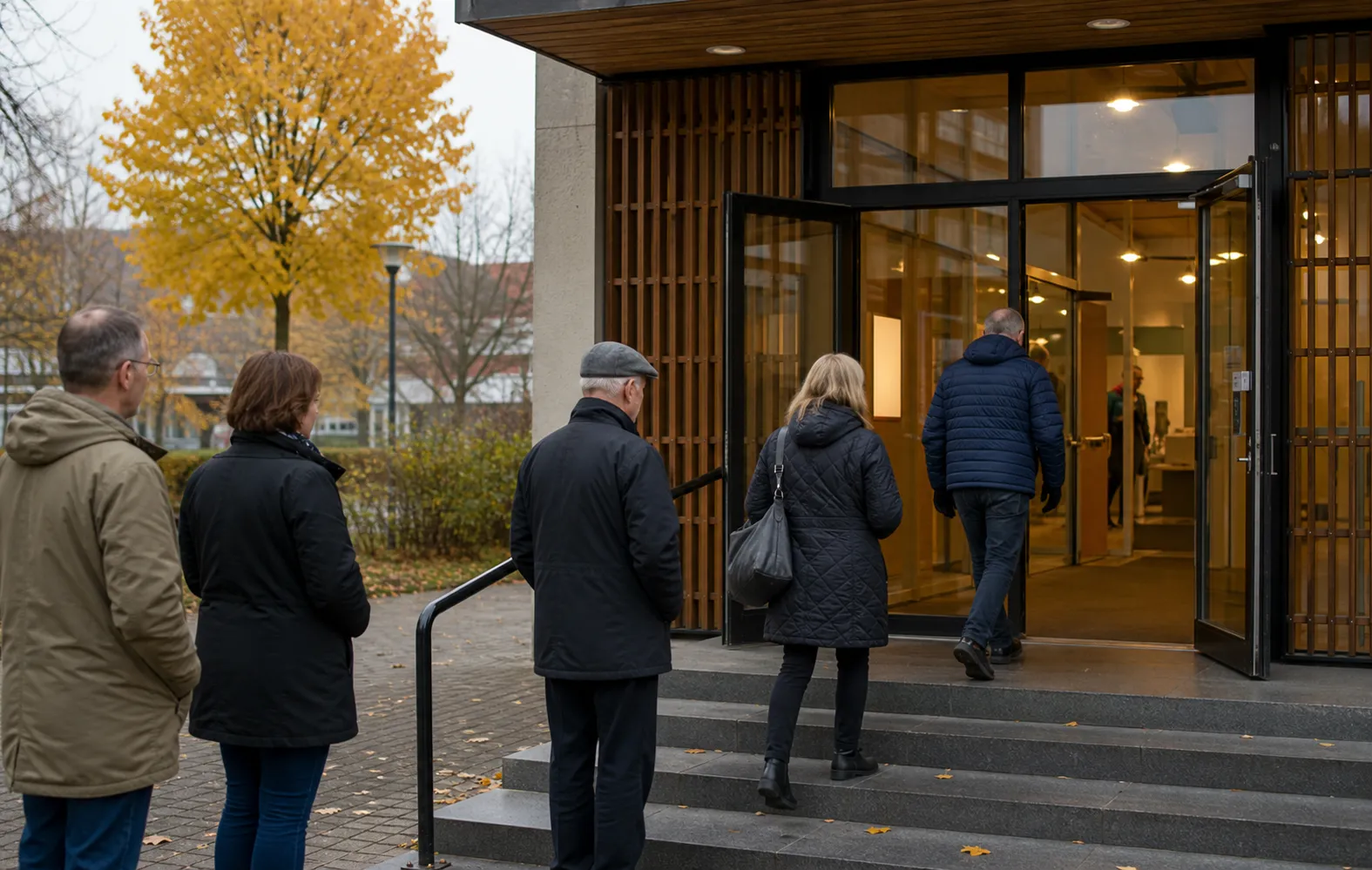
In Sweden, Irishman Warren O’Neill, who obtained Swedish citizenship last year, is preparing to vote in national elections for the first time. He moved to the country in 2019 with his Swedish wife; the couple are raising two children.
Citizenship and voting rights
O’Neill told The Local Sweden that he had previously voted in regional elections. At the same time, taking part in a nationwide vote was the main reason he wanted to obtain citizenship.
According to him, as an EU citizen he already had the opportunity to participate in regional elections, but he wanted to have a say in the government and governance of the country where his family plans to live in the future. The most important issues for him are immigration policy, changes to citizenship acquisition rules, and education.
O’Neill also spoke out against weakening the social security system and greater privatization of public services. He noted that one of the reasons for moving to Sweden was the policies of left-wing parties, including parental leave conditions.
More current news is available on the UA.News Telegram channel Telegram.
Views on political debate
O’Neill said that he plans to vote for one of the left-wing parties, although he has not yet made a final choice. In his view, the Social Democratic Party might previously have matched his views, but in recent years it has shifted toward the center or further right on certain issues.
He also believes that openly discussing politics in Sweden may be more difficult because of a phenomenon he called the “opinion corridor.” O’Neill believes that some people hold views close to the positions of the Sweden Democrats party but do not express them publicly. He compared the situation with Ireland, where, according to him, political discussions and newspaper culture are more active.
Uncertainty for migrants
O’Neill stressed that migrants from non-EU countries, in his assessment, face greater uncertainty during procedures related to residence and citizenship. He criticized changes to requirements after applications have already been submitted, when an applicant met the rules at the time of applying but no longer met them while the case was being considered.
He also positively assessed the organization of voting in Sweden, particularly the options for early and postal voting and the availability of information in Swedish and English. At the time of the election, O’Neill was in Ireland caring for a relative in hospital, so he planned to vote by mail if he could not return to Sweden in time.


