
Carney seeks to attract C$1 trillion — The Japan Times
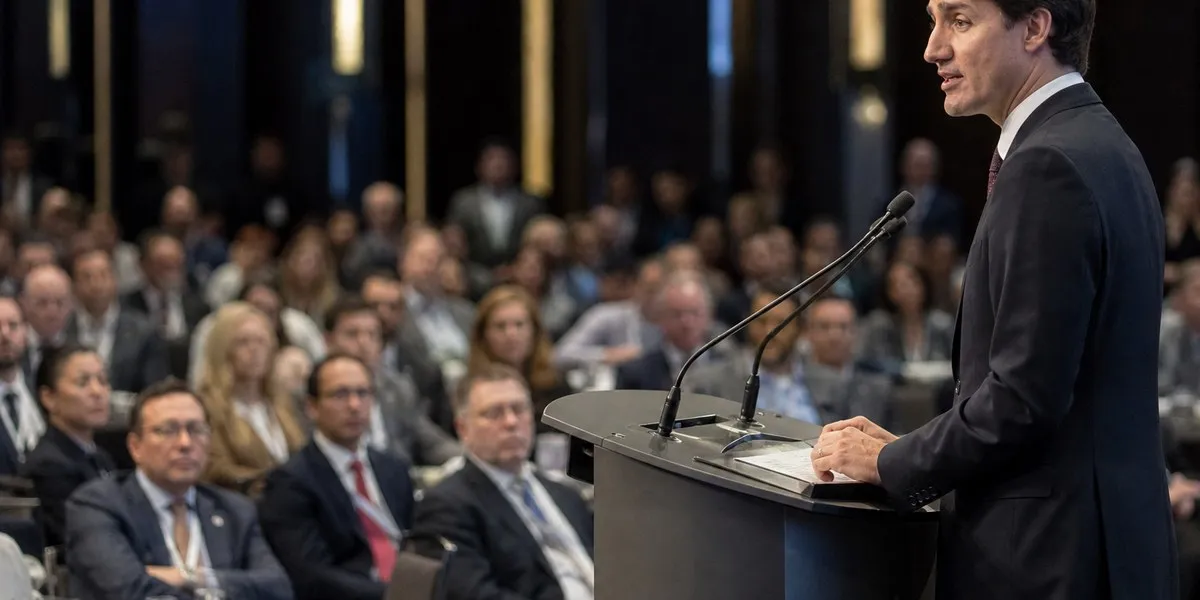
Canadian Prime Minister Mark Carney called on international investors to invest in the Canadian economy at an investment summit in Toronto. As The Japan Times reports, following a closed-door meeting, several asset managers said they intended to increase the share of Canadian stocks in their portfolios.
Carney aims to attract C$1 trillion, or about $715 billion, in investment to the country. During the summit, he presented a list of 167 major industrial and infrastructure projects and also spoke about tax incentives, predictability of fiscal policy, and streamlined regulatory procedures.
Interest in Canadian stocks
Investors note that the Canadian stock market is currently valued more cheaply than the U.S. market. The S&P/TSX Composite index trades at less than 16 times expected earnings over the next 12 months, while the figure for the S&P 500 is 19. About 45% of companies in the S&P/TSX Composite were trading above their 50-day averages, compared with 85% at the beginning of the year.
More current news is available on the UA.News Telegram channel Telegram.
According to data cited by the publication, net foreign capital inflows into Canadian equities totaled C$7.2 billion in July, the highest pace since the start of the year. Bank of Montreal economists estimated inflows into all Canadian asset classes over the past 12 months at about $211 billion, or 8.7% of the country’s GDP.
Statements by asset managers
PensionDanmark CEO Peter Stensgaard Mørch said that the Canadian government demonstrates an understanding of the conditions needed to attract additional investment. Before the summit, the fund had C$1 billion in investments in Canada and does not rule out increasing its investment in Canadian stocks.
Blackstone President Jonathan Gray called Canada an “economically sleeping giant” that is showing stronger-than-expected growth. At the same time, the Canadian stock market has traded consistently at a discount to the U.S. market since 2017. At the end of August, trade talks between Ottawa and Washington collapsed, after which the countries began increasing reciprocal tariffs.


