
Kenya gives undocumented foreigners with small businesses 90 days to register — BBC News
In Kenya, undocumented foreigners running small businesses have been given 90 days to register and bring their activities into compliance with local legislation. According to BBC News, during registration such individuals will be considered legally present in the country.
This clarification came after the backlash surrounding President William Ruto's statement. On September 3, he said that all foreigners running small businesses must stop operating by September 7, as such occupations should, in his view, be reserved for Kenyans.
Migrants' concerns
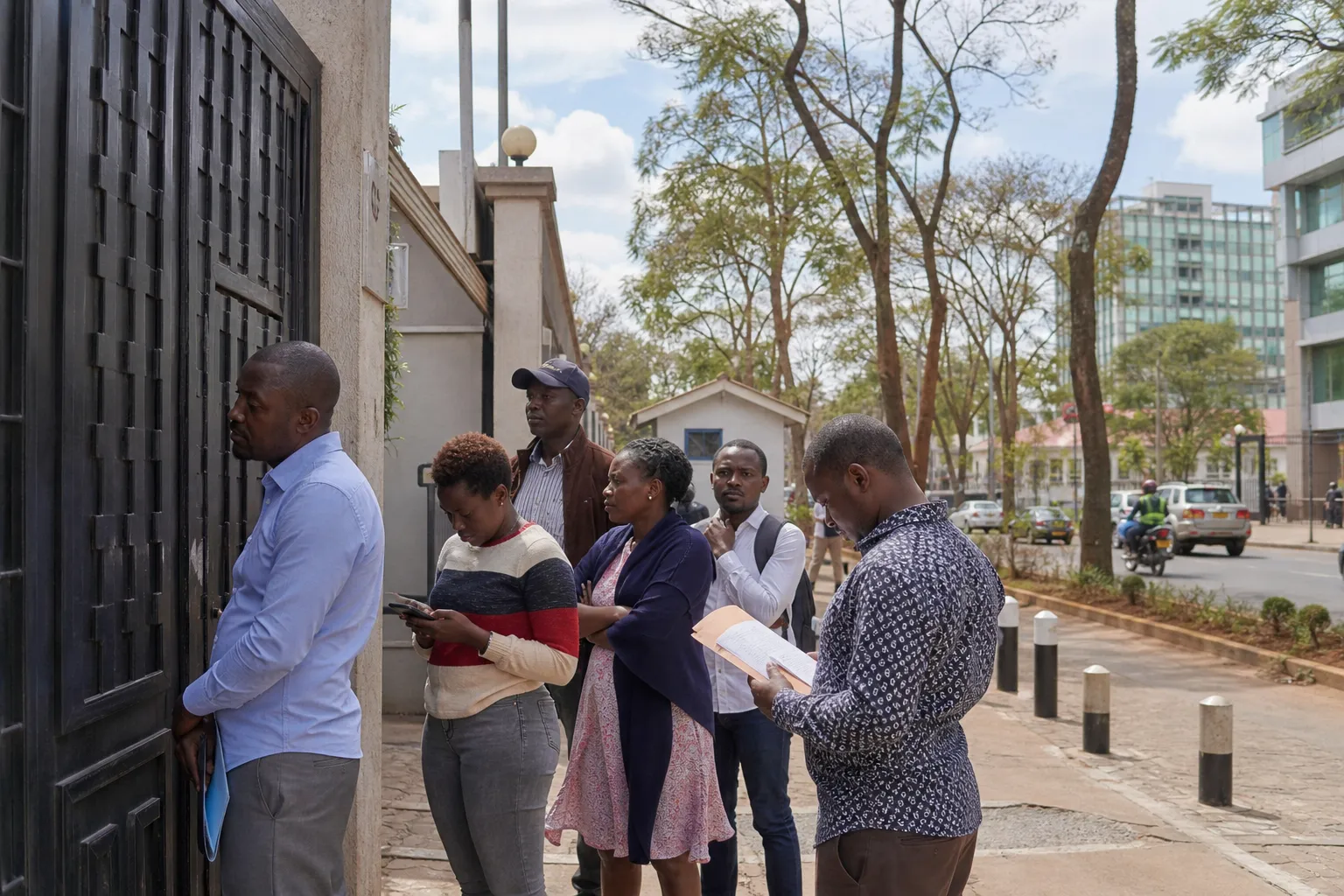
The president's statement caused concern among migrants. Some citizens of Burundi and other countries in the region approached embassies for documents to return home or headed to border crossing points; according to reports, some of them became stranded there.
Burundian tuk-tuk driver Ndaikech Ali, who has worked in Nairobi for nine years, spoke of threats and harassment following the head of state's statement. According to him, stopping work would deprive him of the income needed to pay for housing and food. Philmon Eyob, coordinator of Nairobi's Eritrean community, said that some Eritreans and Ethiopians had closed their establishments and stayed at home for safety reasons.
More current news is available on the UA.News Telegram channel Telegram.
Some families have already been separated. Majengo resident Grace Wamaita said that her husband from Burundi left the day after the presidential directive, leaving her with five children.
Authorities' response and criticism
Ruto's statements triggered a diplomatic dispute. Burundi's foreign minister said that hate speech against Burundians could have consequences for Kenyans abroad. Kenyan official Korir Singoei visited Burundians at the embassy in Nairobi, apologized and assured them of protection from violence.
Critics called the president's remarks populist and said they could fuel xenophobia, but the government denied this. In a statement, Ruto's spokesperson stressed that Kenya would remain an open and safe country and would protect the rights of people legally present on its territory. Within the East African Community, people can move relatively freely, but permits are required for employment and long-term residence.


