
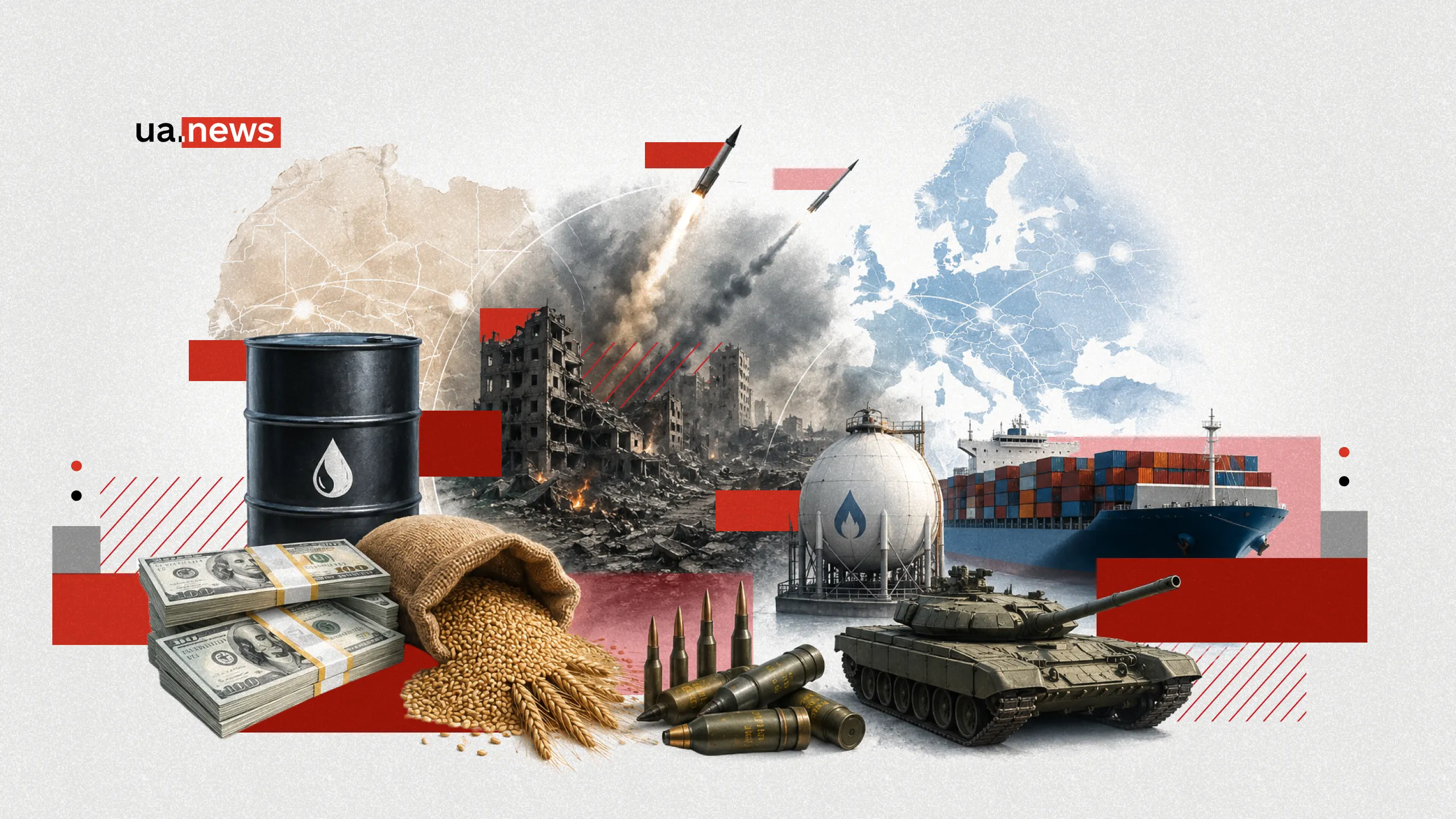
War almost never remains an economic problem solely for the countries on whose territory it takes place. Missiles may fall thousands of kilometers from Berlin, Tokyo, Cairo, or Delhi, but the cost of the conflict eventually reaches those places as well—through higher prices for oil, gas, and food; logistical restructuring; increased military budgets; the reception of refugees; government subsidies; or the need to fund allies.
This is particularly evident in the two major wars of recent years—Russia’s aggression against Ukraine and the war in the Middle East. In one case, Europe and Kyiv’s other partners shouldered the main external financial burden. In the other, the most vulnerable turned out to be countries that may have no direct connection to the conflict at all but depend on oil, gas, and sea routes through the Red Sea and the Strait of Hormuz.
Therefore, determining who “pays for someone else’s war” is much more complicated than simply looking at a table of military aid. Governments cover part of the bill, companies cover another part, and a significant portion is ultimately passed on to ordinary consumers.
UA.News explains how modern wars redistribute costs among dozens of countries and why, at times, the greatest economic losses away from the front lines are borne by countries that haven’t fired a single shot.
Europe is paying for the war in Ukraine in several ways at once
The most obvious example of how one war imposes enormous costs on other countries is the support provided to Ukraine following Russia’s full-scale invasion.
According to the latest data from the Council of the EU, the European Union and its member states have already provided Ukraine and Ukrainians with approximately €220 billion in various forms of aid since the start of the full-scale war. This is not just about weapons. This amount includes budgetary and economic support, military aid, humanitarian programs, and expenses related to Ukrainian refugees.
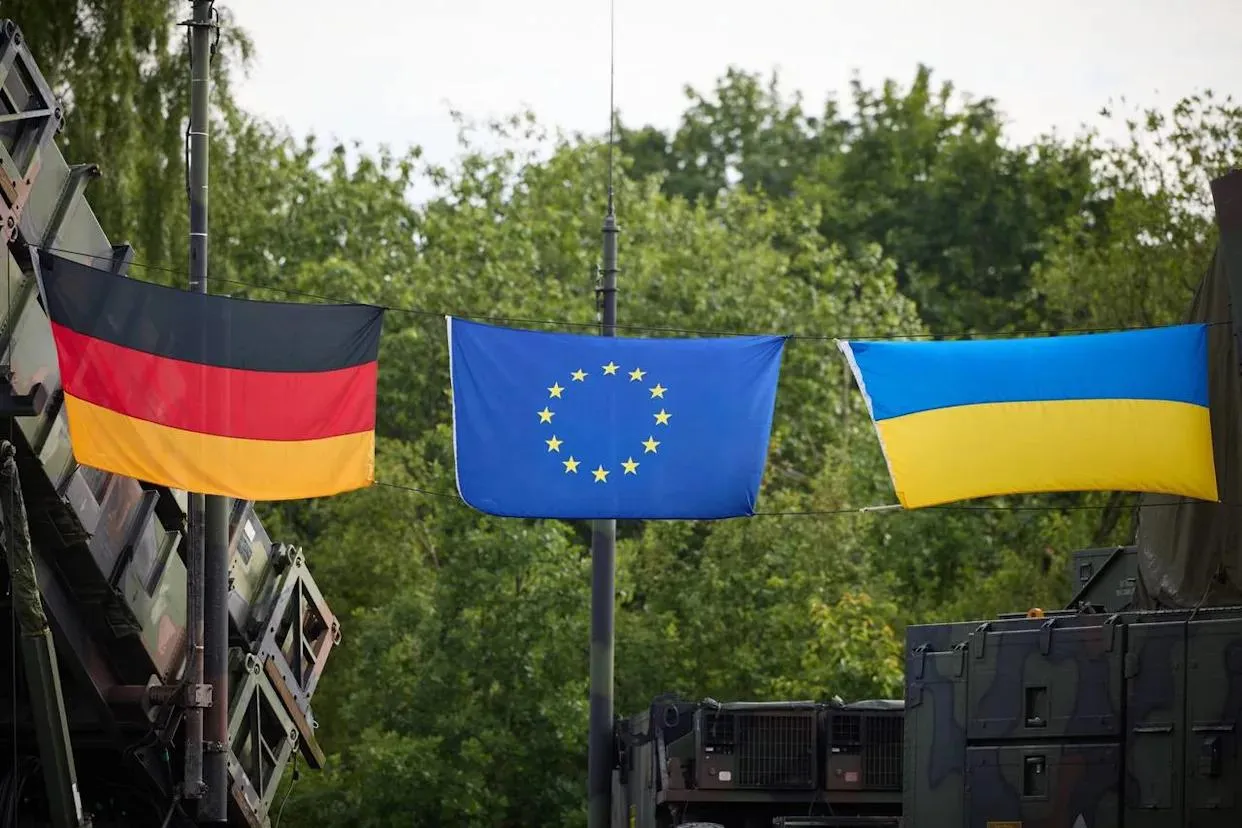
Military support for Ukraine from the EU and its member states alone is already estimated at approximately €88.7 billion. At the same time, Brussels has approved a new €90 billion loan facility for 2026–2027, of which approximately €60 billion is earmarked for defense needs, and another €30 billion for economic and budgetary support for the country.
But that’s just the direct cost. At the same time, European countries have begun spending significantly more on their own militaries. At the NATO summit in The Hague, the allies committed to raising defense and security-related spending to 5% of GDP by 2035. In 2025, European NATO members and Canada increased defense spending by nearly 20% in real terms. NATO states that Europe’s and Canada’s additional investments in 2025–2026 alone amount to approximately $258 billion.
Formally, this money cannot be entirely described as the “cost of the war in Ukraine”: countries are simultaneously responding to a broader deterioration in the security situation. However, it was Russian aggression that became the main catalyst for Europe’s largest rearmament in decades.
In effect, a second war bill has emerged. Poland, Germany, the Baltic states, Scandinavia, and other countries are not merely supplying Ukraine with ammunition or equipment; they are building factories and ordering air defense systems, aircraft, missiles, tanks, and drones for their own armies.
This is money that, under different international circumstances, could have been spent on roads, healthcare, education, tax cuts, or reducing the national debt.
Germany, Poland, and the Czech Republic have received yet another bill—millions of Ukrainian refugees
There is also a third category of expenses that is easily overlooked in the statistics on arms deliveries. As of the end of June 2026, approximately 4.41 million people who had fled Ukraine due to the war had temporary protection status in the European Union.
Germany took in the largest number—about 1.29 million. More than 961,000 were in Poland, and about 391,000 were in the Czech Republic.
Hosting such a large number of people entails costs for housing, social benefits, schools, healthcare, language programs, and integration. The Council of the EU estimates the cost of supporting refugees within the European Union at approximately €17 billion.
On the other hand, this cost cannot be viewed solely as a net loss. Some Ukrainians are working, paying taxes, renting housing, and helping to fill labor shortages in EU countries. Therefore, the long-term economic impact will vary from country to country.
However, in the early years of the war, governments were forced to quickly find billions of euros that their budgets simply had not anticipated through 2022.
The largest future cost of the war in Ukraine has not even been paid yet
There is another enormous sum that, for now, exists mainly on paper. In February 2026, the World Bank, the Ukrainian government, the European Commission, and the UN estimated Ukraine’s recovery and reconstruction needs at nearly $588 billion over the next decade. Direct physical damages had already exceeded $195 billion by the end of 2025.
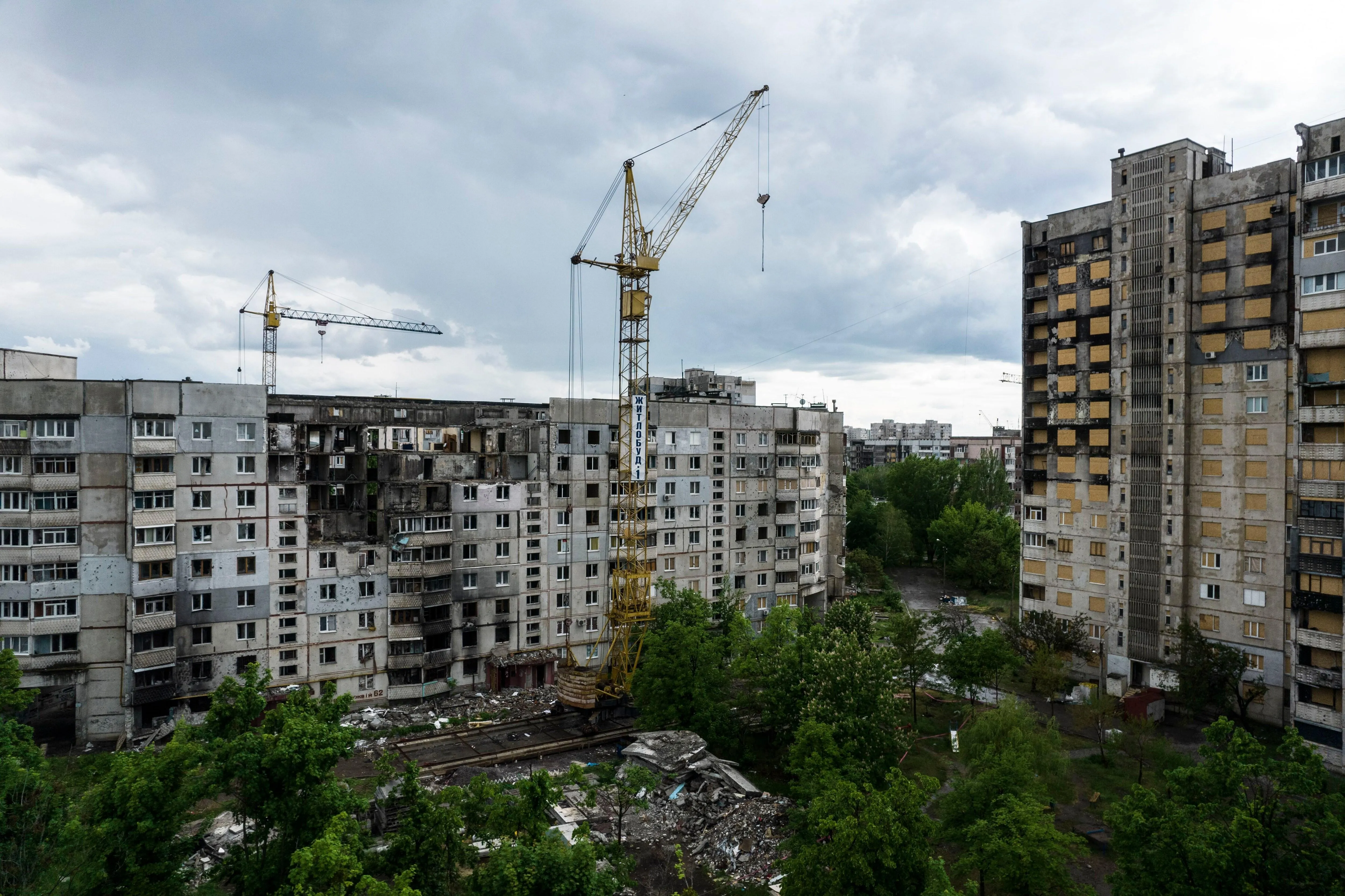
It remains unclear exactly who will pay this nearly $600 billion. Ukraine insists on the use of Russian assets and future reparations. Some of the money may come from international financial institutions and private capital. Western countries will likely have to cover part of the cost once again.
Therefore, the economic cost of the Russian invasion for European countries may be measured not only in the hundreds of billions spent during the war itself. Reconstruction could extend the financial consequences for decades to come.
Even countries in Africa and the Middle East have paid the price for Russia’s war against Ukraine
Far less obvious contributors were countries that never provided Kyiv with either tanks or money. At the start of the full-scale invasion, Russia and Ukraine together accounted for about 27% of global wheat trade and more than half of the trade in sunflower oil and seeds.
For many African nations, this dependence was critical. According to UNCTAD estimates, 25 African countries imported more than a third of their wheat from Russia and Ukraine, and for 15 countries, the share exceeded half.
When the war began, it wasn’t just wheat that became more expensive. Natural gas is one of the key components in the production of mineral fertilizers. Therefore, the energy shock quickly spilled over into fertilizer prices, then into the cost of agricultural production, and finally into food prices in stores.
At the time, the World Bank described the situation as one of the biggest shocks to commodity markets since the 1970s. The impact was felt most acutely in countries where people spend a significant portion of their income on food and energy.
Thus, in a sense, consumers in Egypt, Tunisia, Bangladesh, and Kenya also paid for Russia’s war against Ukraine—it’s just that their bill didn’t come in the form of a separate line item in the national budget, but rather in the form of more expensive bread, fuel, or fertilizer.
The Middle East has demonstrated a different pattern: those who depend on foreign oil pay the highest price
While in Ukraine’s case the main direct external cost is concentrated in Europe and allied countries, a war in the Middle East passes its cost on to the entire world much more quickly through the energy market.
The reason is simple—geography. According to IMF estimates, approximately 25–30% of the world’s oil and about 20% of global liquefied natural gas supplies pass through the Strait of Hormuz. Therefore, even a country thousands of kilometers away from the fighting can feel the effects of the war literally within a few days of a disruption in supplies.
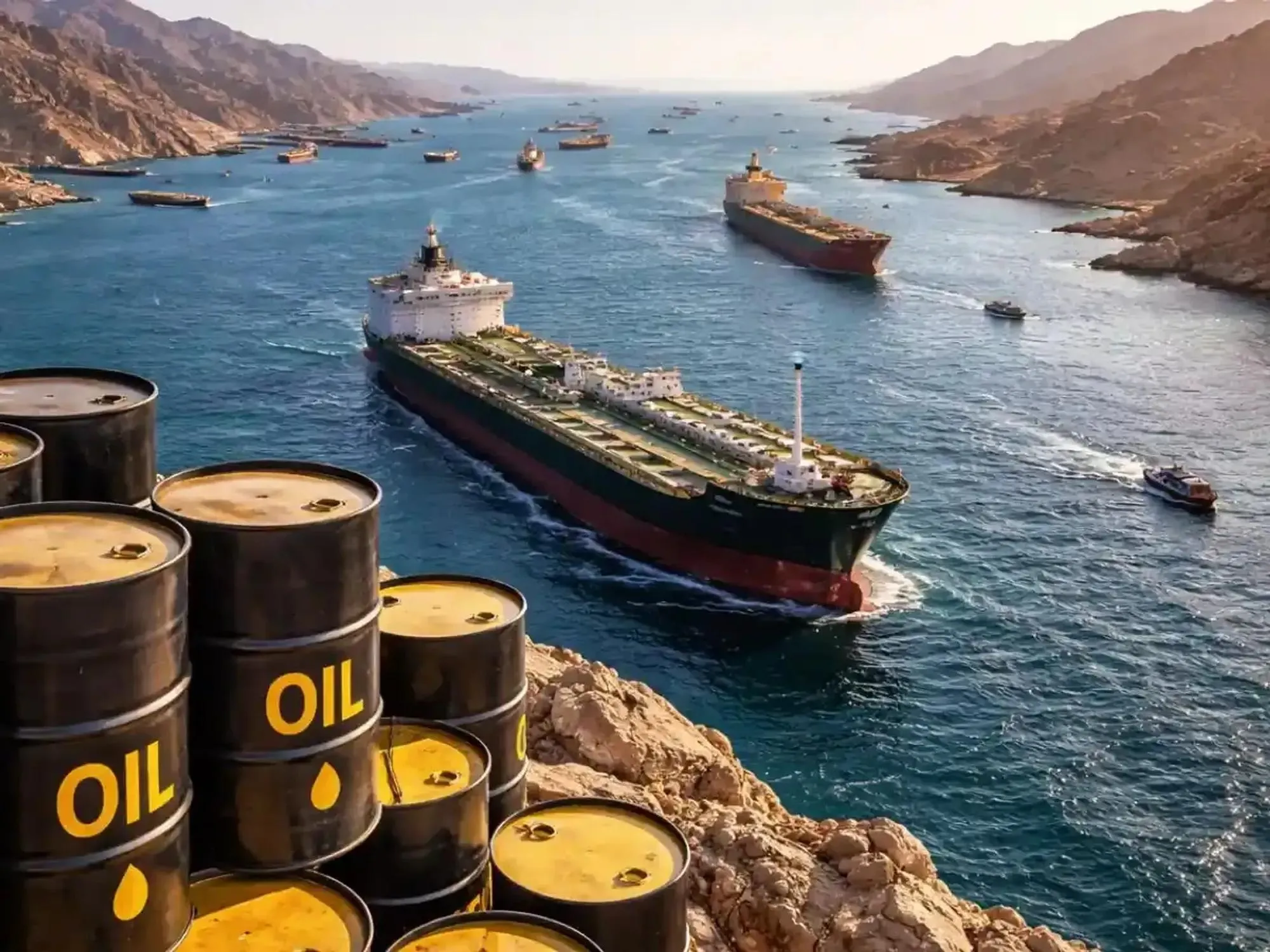
Following the de facto closure of the Strait of Hormuz in 2026, the market temporarily lost about 20 million barrels of oil and petroleum products per day—roughly one-fifth of global consumption. Oil prices spiked sharply, although reserves, the rerouting of supply flows, and increased production in other regions helped prevent an even steeper surge. In July, the IMF noted that prices had stabilized at around $90–100 per barrel following the initial shock.
And here lies the paradox: it is the countries of the Middle East that are at war, yet Asia is footing one of the largest bills.
Japan may be thousands of kilometers from the front lines, but nearly all of its oil comes from the Middle East
Japan is perhaps the perfect example of how a geographically distant country becomes an economic hostage to war.
According to the Japanese Ministry of Economy, Trade, and Industry, about 95% of Japan’s imported crude oil comes from the Middle East. By comparison, the U.S.’s dependence on this region is significantly lower.
When shipments through the Strait of Hormuz began to decline sharply, Tokyo decided in March 2026 to release an amount of oil from its strategic reserves equivalent to approximately one month’s consumption.
A similar problem arises in South Korea, India, the Philippines, and other major Asian energy importers.
They may not be political participants in the war, but their airlines are buying more expensive fuel, their factories are paying more for electricity and raw materials, and transportation companies are raising rates, and governments are forced to either allow gasoline prices to rise or subsidize part of the cost from the budget.
In other words, either the consumer or the taxpayer ends up footing the bill. Sometimes—both at the same time.
Egypt pays for the war without even having oil—through the Suez Canal
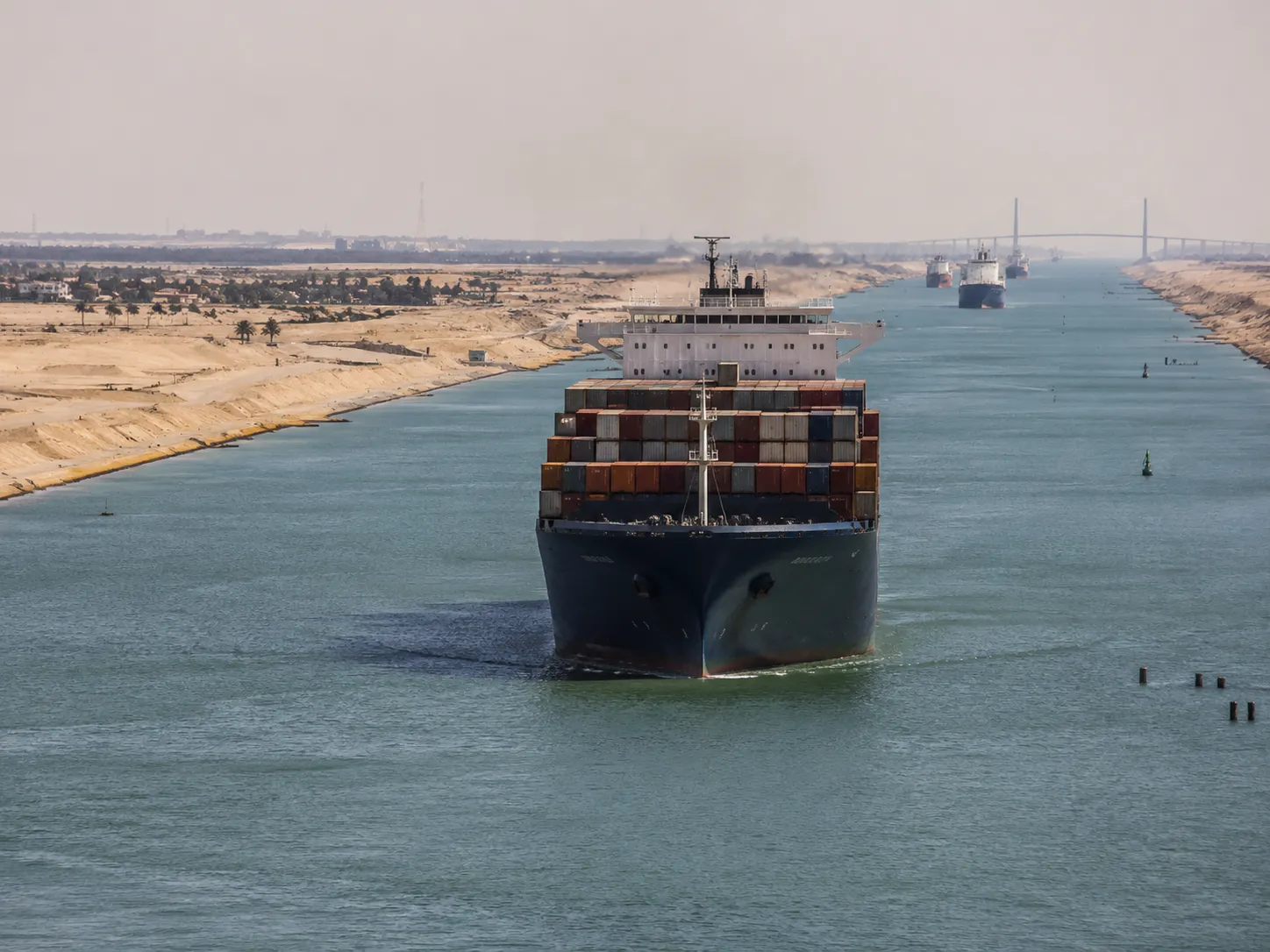
An even more interesting example is Egypt. Cairo does not necessarily have to import huge volumes of oil to lose billions due to a regional war. For Egypt, the Suez Canal is a critical asset.
After attacks on ships in the Red Sea, many container ships began sailing around Africa via the Cape of Good Hope. For carriers, this meant a longer route, more fuel, and higher crew and insurance costs. For Egypt, it meant a loss of revenue from ship transit fees.
The IMF estimated that in 2024 alone, disruptions in the Red Sea reduced Egypt’s foreign exchange earnings from the Suez Canal by approximately $6 billion.
And the problem did not disappear with the initial shock. In 2026, the IMF noted that traffic through Bab el-Mandeb remained roughly half the level seen before the attacks in the Red Sea began. As a result, Egypt is paying for regional instability with a loss of foreign exchange revenue, while European and Asian companies are paying with higher shipping costs.
Following oil, fertilizers, food, airline tickets, and nearly all goods are becoming more expensive
The most dangerous aspect of modern warfare is that its economic impact spreads in a chain reaction.
If oil prices rise, transportation costs increase. If natural gas prices rise, the cost of producing fertilizer increases. If fertilizer and diesel prices rise, the cost of growing grain increases. If ships are forced to take a longer route around Africa, imports become more expensive. If airlines fly around large areas of the Middle East, they burn more fuel and increase costs.
In the spring of 2026, UNCTAD reported that traffic through the Strait of Hormuz had fallen by more than 95%. At the same time, not only energy supplies but also fertilizer shipments have been disrupted, as the Gulf states are major producers and exporters of these products.
Therefore, the war in the Middle East may ultimately even be reflected in the cost of corn grown in Africa or vegetables in a country that does not directly import any goods from Iran or the Gulf states.
In the end, it is not the state but the individual who pays for the war
War statistics typically cite billions of dollars in military aid, national budgets, and trade volumes. But in the end, it is almost always the ordinary person who pays the price.
European taxpayers fund additional defense contracts and support for Ukraine. A Japanese driver pays more for fuel due to oil supply issues in the Persian Gulf. Egypt’s budget loses revenue due to reduced traffic through the Suez Canal. An importer in Bangladesh pays more for energy, and a farmer in Africa pays more for fertilizer.
Governments may temporarily conceal this cost through subsidies. In 2026, the IMF counted nearly 900 measures in approximately 170 countries that governments had implemented to mitigate the price shock caused by the war in the Middle East—ranging from price caps to budgetary support for the population and businesses.
But government money is also taxpayers’ money or future debt. That is precisely why the question “who pays for someone else’s war” has no single answer.
Europe currently bears the largest direct external cost of the war in Ukraine—through military and budgetary aid, refugees, and a sharp increase in defense spending. But countries far from the front lines have also paid part of the price due to the energy and food crises.
The war in the Middle East is taking the heaviest toll on major energy importers in Asia, countries dependent on maritime trade, and the poorest economies, for which even a small increase in the price of fuel, food, or fertilizer becomes a national crisis.
The modern global economy has effectively turned war into a commodity that cannot be contained within national borders. If hostilities affect an oil strait, a grain exporter, a major trade route, or one of the world’s key economies, the cost begins to be shared among dozens of other countries.


