
Waves washed tons of fuel oil ashore on the coast of the Krasnodar Krai in Russia
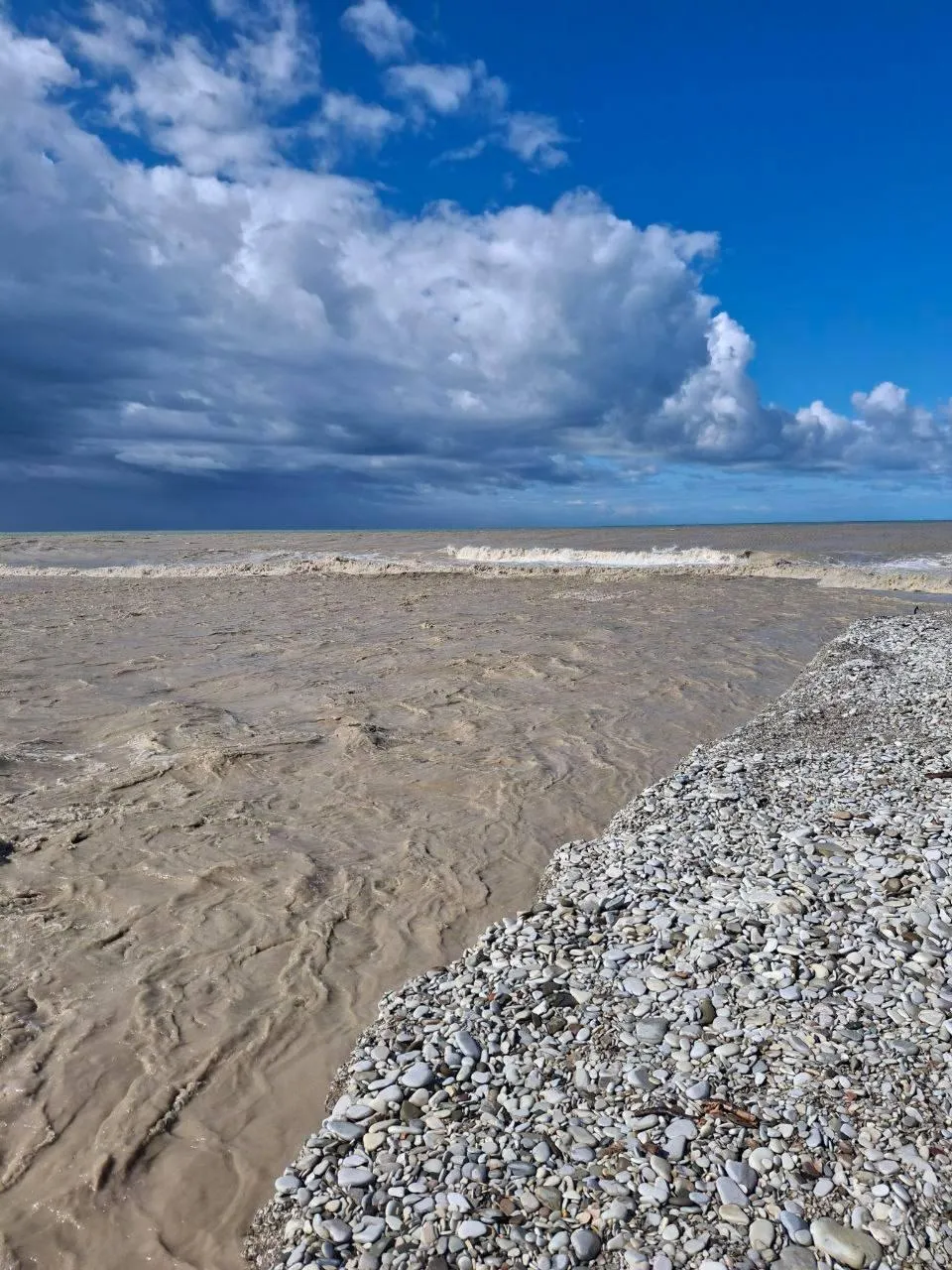
In the early days of the summer resort season, large-scale environmental problems were reported along the Black Sea coast of the aggressor state.
A powerful storm caused a new spill of fuel oil and palm oil on popular beaches in the cities of Tuapse and Anapa.
Despite the obvious pollution of the water, local Russian authorities ignored the threat and officially opened the swimming season for tourists.
In Tuapse, stormy weather washed a boom fence—completely covered in fuel oil—onto Primorsky Beach, located west of the city center.
In addition, residents of the port city are complaining en masse about a sharp and extremely unpleasant odor in the air.
Russians attribute this phenomenon to yet another round of harmful emissions from the local oil refinery, which regularly pollutes the environment.
A similar situation is observed in the Anapa area, where a storm has begun washing hazardous substances ashore near the village of Supsekh.

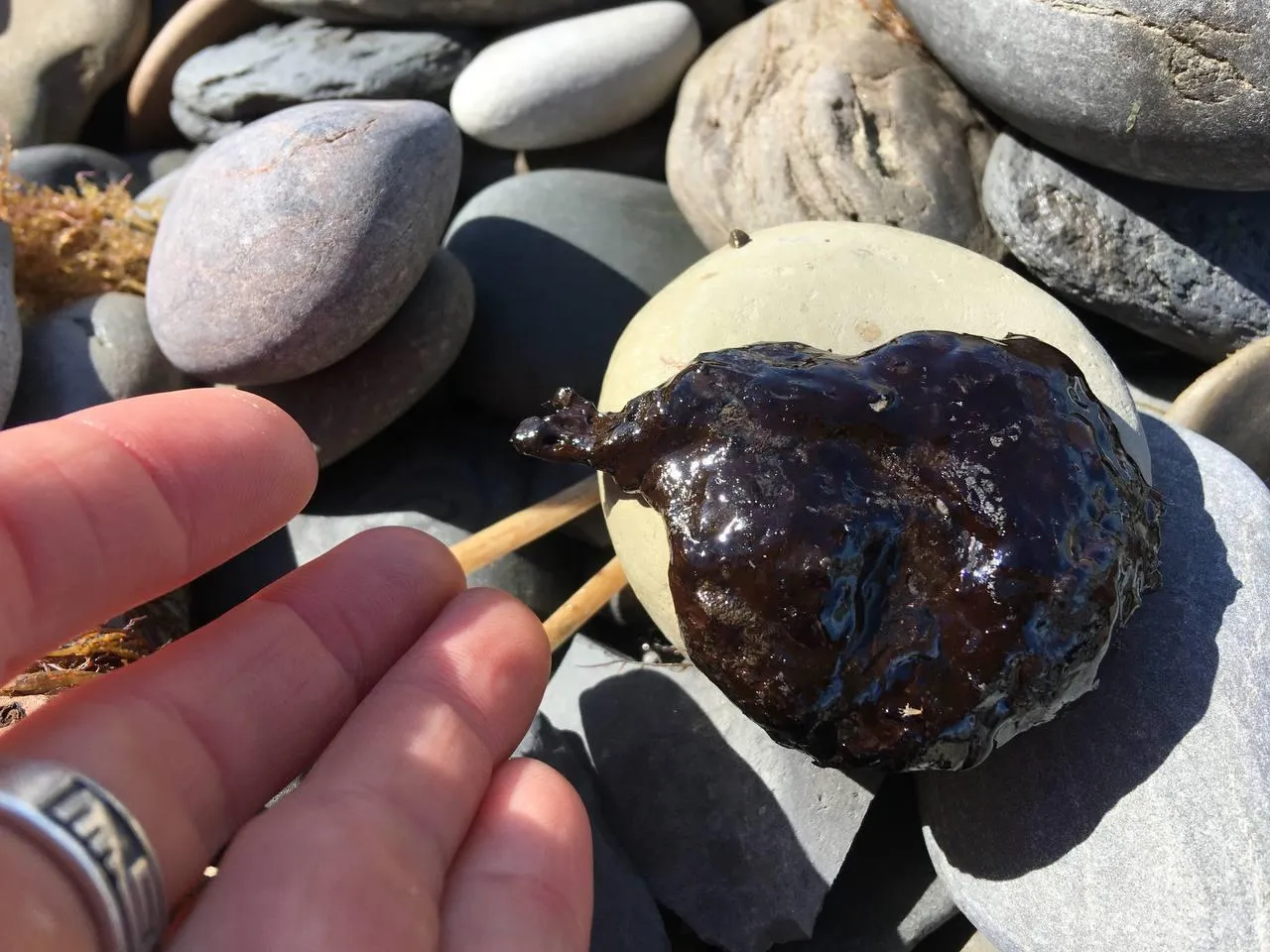
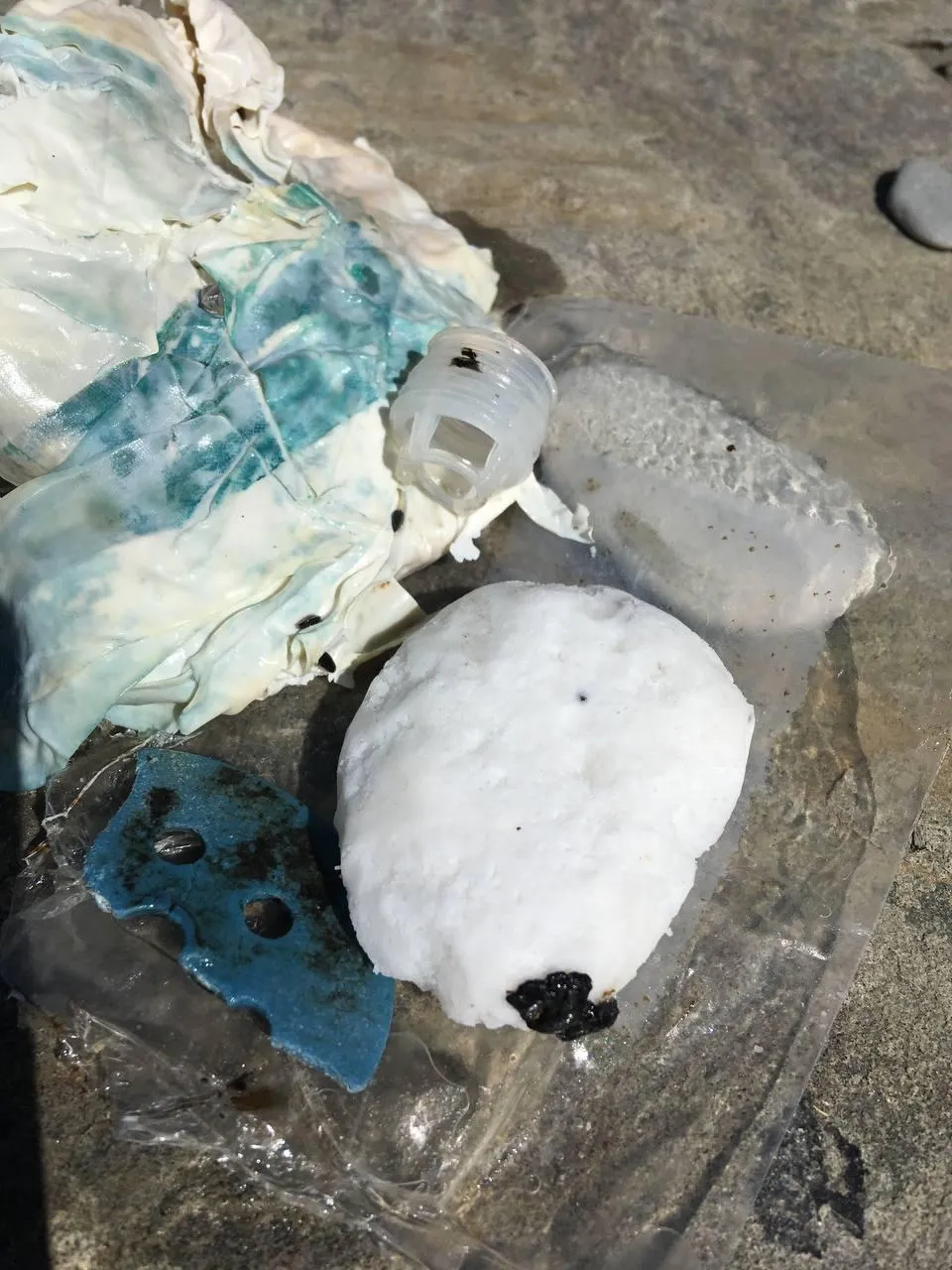
Numerous “oil slicks” ranging in size from a few millimeters to 5–6 centimeters, as well as clumps of industrial palm oil, have been recorded on the sandy shore.
Independent environmentalists emphasize that the multi-day storm has significantly altered the nature of this pollution and masked its true scale.
The rough seas break up large sheets of oil products into small particles that turn into an emulsion, while clay washed away by runoff mixes with chemicals.
Because of this, the occupiers’ coastline may appear cleaner than it actually is, even though the toxins have not gone anywhere. A significant portion of the fuel waste has now been redistributed between the water column, the sea surface, and bottom sediments.
In Tuapse, there are no plans to cancel the resort season, despite the oil-covered beaches
The Volgograd Oil Refinery in Russia has halted operations
Ukrainian Defense Forces struck an oil refinery, air defense systems, and a number of Russian military facilities
Strikes on oil refineries in Russia have caused a gasoline shortage, particularly of AI-95


