
China fulfills more than half of its pledge to buy US soybeans — The Japan Times
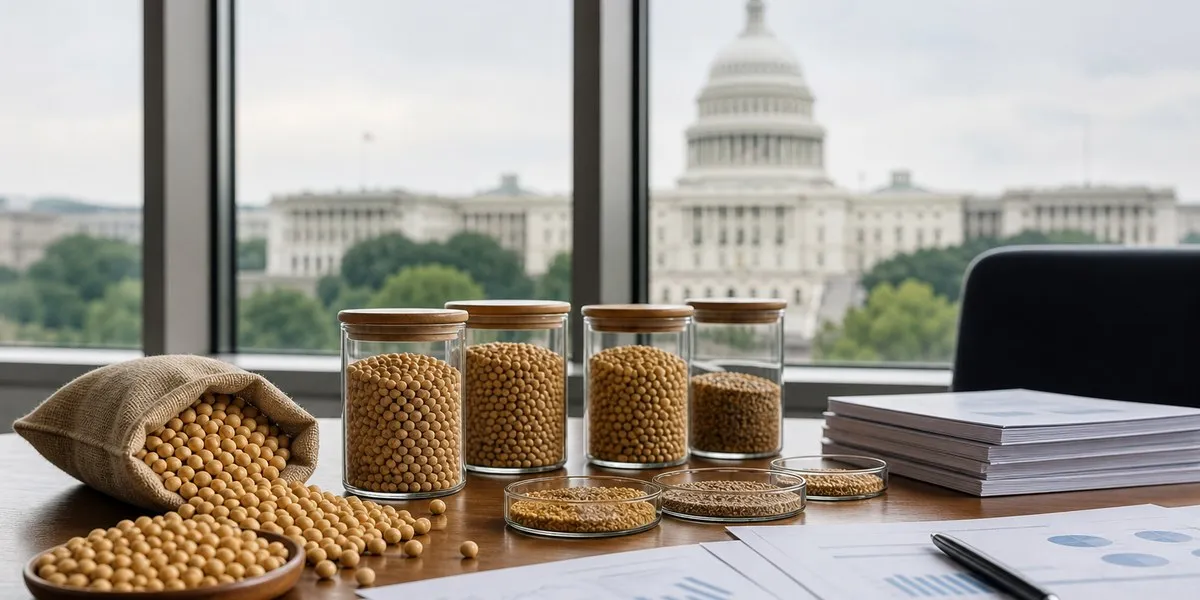
In the United States, China has fulfilled more than half of this year’s commitment to purchase 25 million tonnes of American soybeans ahead of a summit between Presidents Donald Trump and Xi Jinping in Washington. At the same time, progress on a separate agreement to buy at least $17 billion worth of US agricultural products has largely stalled, The Japan Times reports.
Two agreements
Both annual commitments are in effect through 2028. The soybean purchases were agreed when Trump and Xi announced a trade truce last October. The parties agreed on additional purchases of agricultural products worth at least $17 billion during the presidents’ meeting in May; for the current year, this amount is calculated on a pro rata basis.
US Trade Representative Jamieson Greer told Fox that China is fulfilling its soybean pledge. According to him, Beijing has already purchased about $4 billion worth of products under the additional commitment, without providing details. It is also unclear whether soybean purchases can count toward the $17 billion target.
After the May meeting between Trump and Xi, sales of the new US soybean crop rose significantly. At the end of last week, China purchased at least four additional cargoes of American soybeans. StoneX Group broker Kang Wei Cheang believes that Beijing will likely fulfill its soybean commitment, as the product is important for China’s production of animal feed and vegetable oil.
More current news is available on the UA.News Telegram channel Telegram.
Obstacles to other purchases
According to the US Department of Agriculture, sales of US corn and wheat to China for the 2026–2027 season stand at zero. Imports of sorghum, which is used in feed and in the production of China’s baijiu liquor, held steady this year, but demand for it has also slowed recently.
China has more alternative suppliers of other oilseeds, grains and meat than it does for soybeans. To meet the $17 billion commitment, Beijing would have to increase purchases from the United States at the expense of supplies from Canada, Argentina, Brazil and Australia.
The sides discussed a possible reduction in tariffs on goods, including US energy products and agricultural goods. Traders believe this could open the way for larger purchases from the United States. At the same time, trade is constrained by Chinese tariffs on US agricultural goods, weaker demand in China, substantial domestic inventories, high agricultural commodity prices, and rising farmers’ costs for fuel and fertilizers.




