
Dawn columnist outlines challenges for new Azad Jammu and Kashmir government
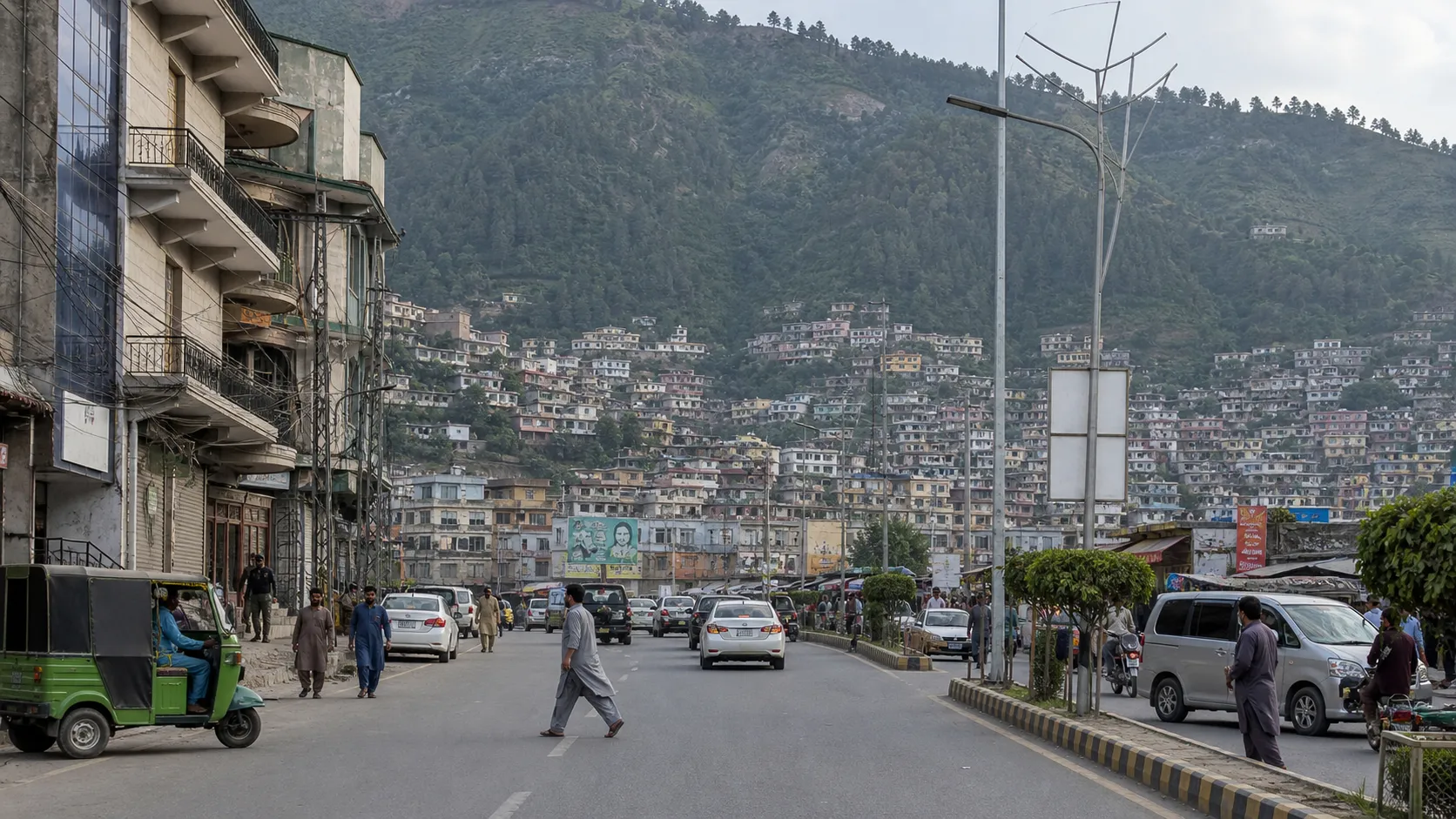
A new government has been formed in Pakistan's Azad Jammu and Kashmir following a lengthy and controversial electoral process. Barrister Iftikhar Gillani became the region's prime minister. In a column published by Dawn, Ahmed Bilal Mehboob, president of the Pakistani think tank Pildat, said the new authorities need to strengthen trust and begin negotiations on contentious issues.
According to the author, voting was postponed in seven of the 45 constituencies where members of the legislative assembly are directly elected. PML-N has a clear majority in the assembly, so the election of a new president of Azad Jammu and Kashmir from this party may be a formality, Mehboob believes.
Disputes over the prime minister
Gillani was not elected or recommended as a candidate for prime minister by the PML-N parliamentary faction in the assembly: his candidacy was determined by the PML-N president in Pakistan. The party's regional president and former assembly speaker, Shah Ghulam Qadir, boycotted the session at which the head of government was elected.
Mehboob writes that Gillani lost the election in the LA-29 constituency in Muzaffarabad to a Pakistan Peoples Party candidate by more than 3,000 votes. At the same time, he entered the assembly through a reserved seat for technocrats. The author noted that the law does not prohibit an assembly member elected to such a seat after losing a general election from seeking the post of prime minister.
More current news is available on the UA.News Telegram channel Telegram.
Protests and reforms
Mehboob named dialogue with the banned Joint Awami Action Committee (JAAC), which he believes has significant support, particularly in the Poonch division, as one of the key tasks for the new government. There, the election commission was unable to hold voting in seven of 11 constituencies despite the phased organization of the elections.
According to the author, a sit-in protest has lasted for nearly three months, partially paralysing daily life and transport links with other areas of the region and Pakistan. Protesters and security personnel were killed as a result of the confrontation, which, in Mehboob's view, intensified polarization among Kashmiris in the region and the diaspora.
The author proposed considering demands to reduce the size of the cabinet, cut privileges for elected representatives and senior officials, develop roads, tunnels and bridges, provide access to safe drinking water, and prevent development budget funds from going unused. He also supported demands to expand the powers of local self-government and establish elected student unions.
Separately, Mehboob called for discussing constitutional amendments concerning the allocation of 12 assembly seats reserved for Kashmiri refugees living in different parts of Pakistan and the procedure for electing them. He recalled that the Supreme Court of Azad Jammu and Kashmir ruled in June that these seats are protected by the constitution and cannot be abolished by an executive decision or protests.


