
Columnist urges Israel to reassess intelligence assumptions — Jerusalem Post
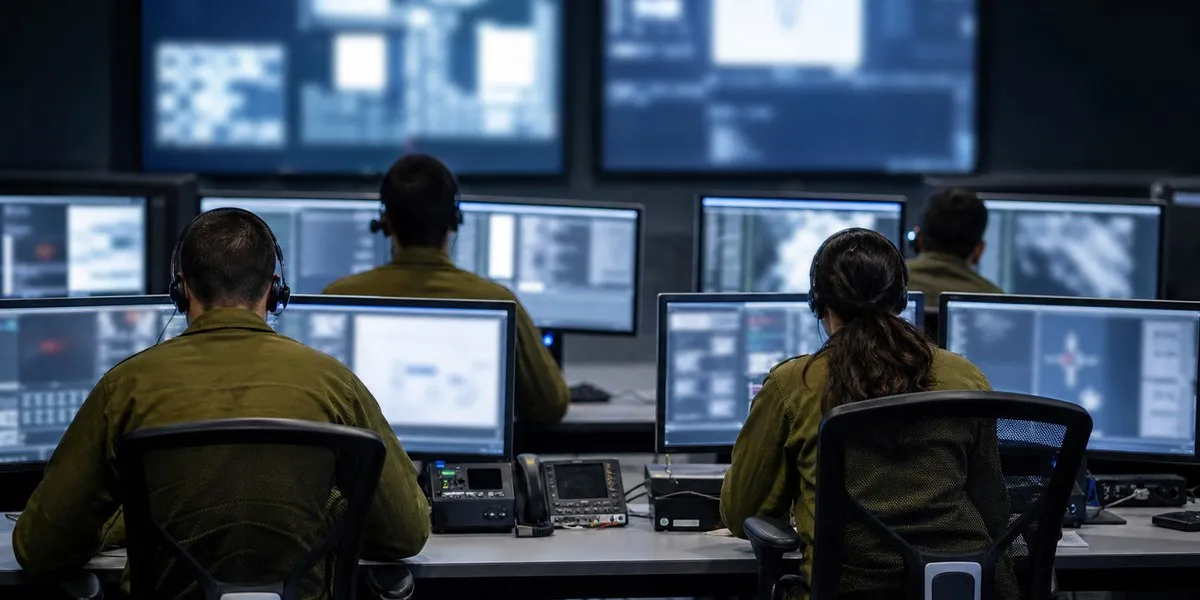
In Israel, a Jerusalem Post columnist called on the country's political and intelligence leadership to continually examine their own assumptions about threats and opportunities. In his view, excessive confidence can prevent a proper assessment of available information, while strategic surprises can be not only destructive but also diplomatically promising.
Parallels between 1973 and October 7
The author draws a parallel between the 1973 Yom Kippur War and the October 7, 2023 attack. He notes that before the 1973 war, Israel had important information about preparations by Egypt and Syria, but analyzed it through the prism of entrenched views.
Such views were called the “concept” in Israel — an analytical framework regarding the conditions under which Egypt and Syria could start a war. Before the October 7 attack, according to the columnist's assessment, Israel also had warning signs, but they were interpreted based on assumptions about Hamas's intentions and the group's willingness to risk a large-scale confrontation.
More current news is available on the UA.News Telegram channel Telegram.
Not only military scenarios
The columnist cited historical examples of events whose speed, scale, or consequences proved unexpected: the collapse of the USSR, Saddam Hussein's troops' invasion of Kuwait in 1990, the fall of the Shah of Iran, and the Arab Spring. He also mentioned that Israel prepared for Iraq's possible use of chemical weapons during the Gulf War and distributed gas masks to the population, but no chemical attack occurred.
Surprises, he said, can also be positive in nature. As an example, the author cited Egyptian President Anwar Sadat's visit to Jerusalem in 1977. Part of Israel's military leadership at the time suspected possible deception, but the trip took place and later contributed to the conclusion of a peace treaty between Israel and Egypt.
Technology and the limits of intelligence
The author acknowledged the significant technological capabilities of Israel's security sector, including satellites, cyber systems, surveillance networks, and missile defense. At the same time, he warned that technology can create an illusion of omniscience: observing an adversary from space does not guarantee an understanding of the situation on the ground. The columnist called one of the lasting lessons of October 7 the need to combine data collection with disciplined scrutiny of one's own assumptions.


