
Cross River pensioners seek payment review — Premium Times Nigeria
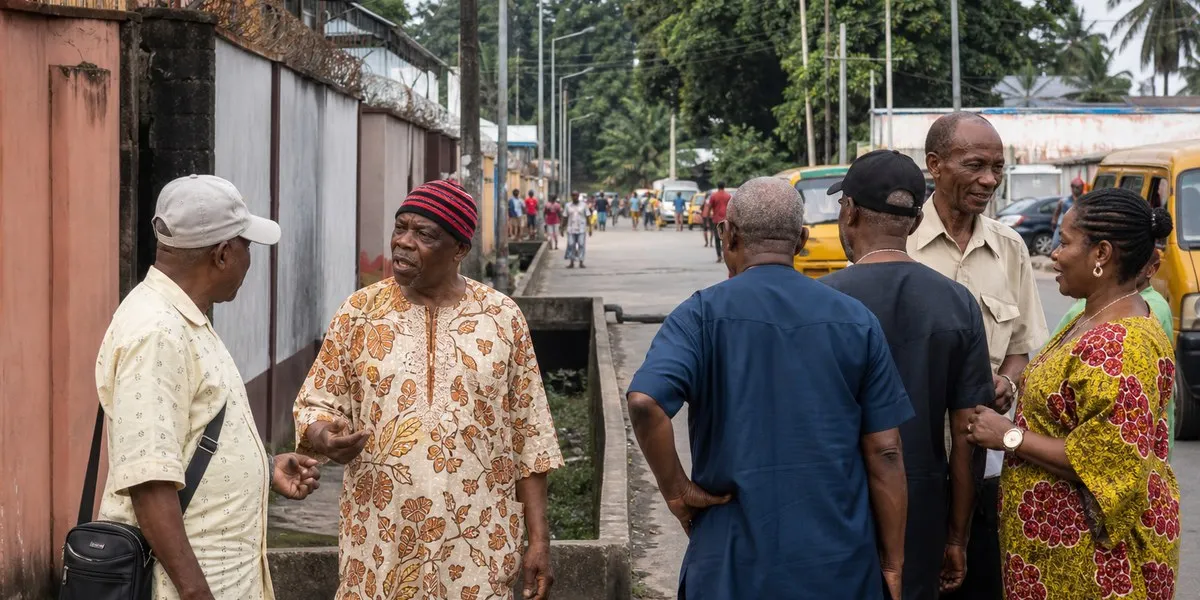
Pensioners in Nigeria’s Cross River State have appealed to Governor Bassey Otu to review and harmonize pension payments, as well as clear arrears of retirement gratuities. This was reported by Premium Times Nigeria.
Pensions have not been reviewed since 2014
Daniel Effiong, chairman of the state’s Pensioners Association, told journalists in Calabar that pension amounts have not been adjusted since 2014, although the national minimum wage has been raised several times since then.
According to Effiong, some pensioners receive as little as 4,000 naira per month. He described this amount as insufficient to cover basic needs, including food and medicine.
The association representative also said that elderly former state employees are finding it increasingly difficult to cope with the rising cost of living and the declining purchasing power of the naira. At the same time, Effiong noted that the state authorities regularly pay monthly pensions.
More current news is available on the UA.News Telegram channel Telegram.
He also welcomed the governor’s promise to allocate another tranche by December for the payment of retirement gratuities.
Arrears of retirement gratuities
Many former state employees, according to the association chairman, have still not received the retirement gratuities due to them, even though several years have passed since they retired. He noted that the 10 billion naira payment made by the state authorities about two years ago did not make it possible to fully clear the arrears.
Frank Odey, the association’s spokesperson, spoke against creating a new committee to process pension payments. In his view, this could further delay the process. He noted that the offices of the auditor-general and accountant-general have constitutional responsibilities regarding pension payments.
Odey called on the authorities to maintain regular pension payments, review pension and gratuity amounts, and settle the existing arrears. According to him, the situation is particularly difficult for pensioners without other sources of income, who struggle to pay for housing, medical services, food, and other essential expenses.


