
The Kremlin is deliberately distorting Russia's economic statistics — Swedish intelligence
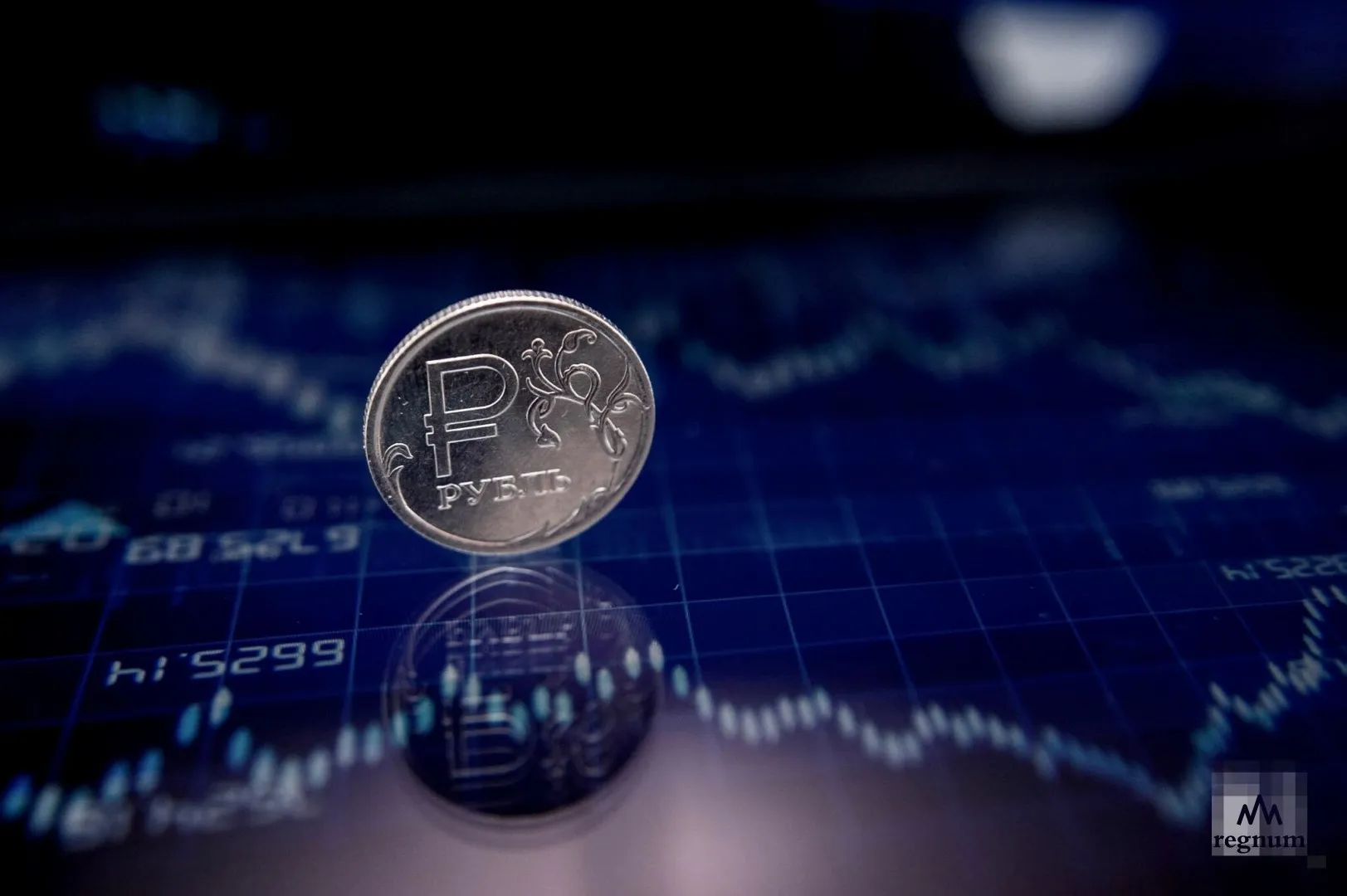
The Russian Federation’s economy remains in a state of deep systemic crisis, despite the sharp rise in global energy prices caused by instability in the Middle East.
Thomas Nilsson, head of Swedish military intelligence, noted in a comment to the Financial Times that the aggressor country is effectively “living on credit,” depleting its own resources.
According to Swedish experts, to fully close Russia’s budget deficit, the price of Urals crude oil must remain above $100 per barrel for the entire year.
However, even such a scenario would not resolve the accumulated structural problems, as the current growth model is unsustainable.
“They still have a systemic problem. It’s not a stable growth model—producing materials for war that are then destroyed on the battlefield,” Nilsson emphasized.
He added that even the defense sector, which has been a driver of GDP, is becoming increasingly unprofitable and corrupt.
Swedish intelligence points to large-scale manipulation of statistical data by the Kremlin. Moscow is trying to convince the West of the resilience of its economy, but the actual figures are significantly worse than the official ones.
In particular, inflation in Russia is approaching 15%, although the central bank reports only 5.86%.
Additionally, Stockholm confirms data from the German intelligence agency BND that Russia is concealing a budget deficit of approximately $30 billion.
Even Vladimir Putin was forced to acknowledge a 1.8% drop in GDP during the first months of 2026, indicating a serious slowdown in production.
Nilsson predicts only two possible paths for the Russian economy: prolonged decline or a sharp financial shock.
In any case, the country is heading toward a massive catastrophe, as military spending is consuming the funds needed to support the civilian sector and social stability.
Russia is seeing a worsening economic situation and rising risks of loan defaults.
After three years of unexpected economic growth, Russia is facing a sudden slowdown—war costs, inflation, and falling oil prices have begun to weigh on an economy that until recently seemed resilient to sanctions.
Consumer lending in Russia has fallen to a six-year low.


