In a remote region of eastern Angola, scientists have discovered dozens of animal species that may be new to science. The organizers of the study reported on the results of the expedition to the Lisima Plateau, noting that the findings included insects such as crickets and other poorly studied species.
The Lisima Plateau is located in the highlands of Angola and is an important natural region where the Congo, Okavango, Zambezi, and Kwanza river systems originate. Despite its importance, this area has long remained under-researched due to its rugged terrain and the aftermath of the civil war that lasted 27 years and ended in 2002.
Organizers call Lisima “one of Africa’s last great biodiversity blank spots,” as the region’s swamps, wetlands, meadows, and forests still harbor many unexplored species.
The new study, titled the Cassai Life Atlas, was conducted in February by The Wilderness Project, an organization founded by South African researcher Stephen Boose. It served as a continuation of previous research carried out as part of the National Geographic Okavango Wilderness Project.
Sixteen experts from various countries in Africa and around the world participated in the study. According to the organizers, the expedition provided the most detailed picture to date of the plateau’s biodiversity.
The researchers emphasize that the final number of new species may turn out to be significantly higher, as the process of scientifically describing and classifying the specimens found is still ahead.
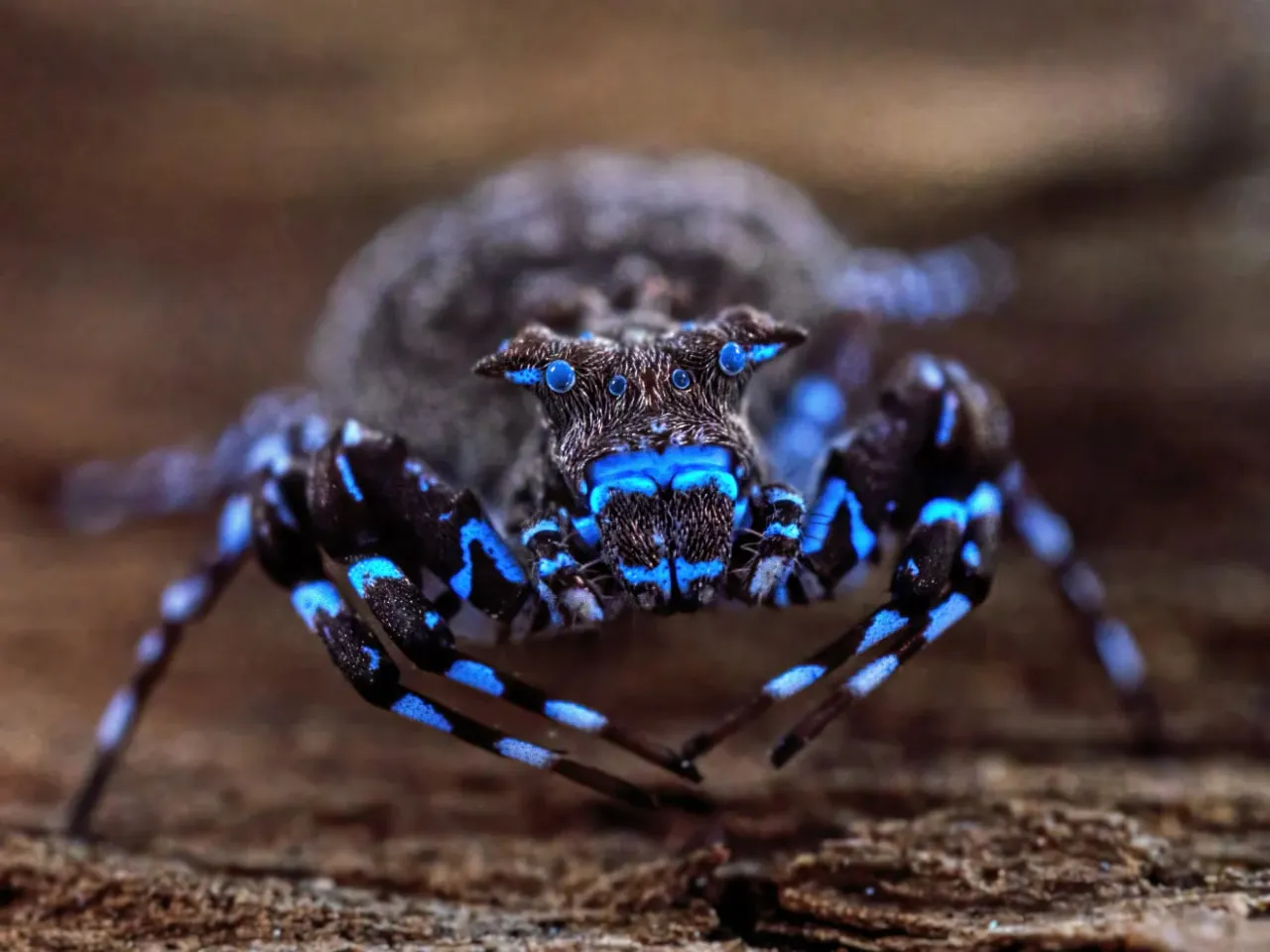
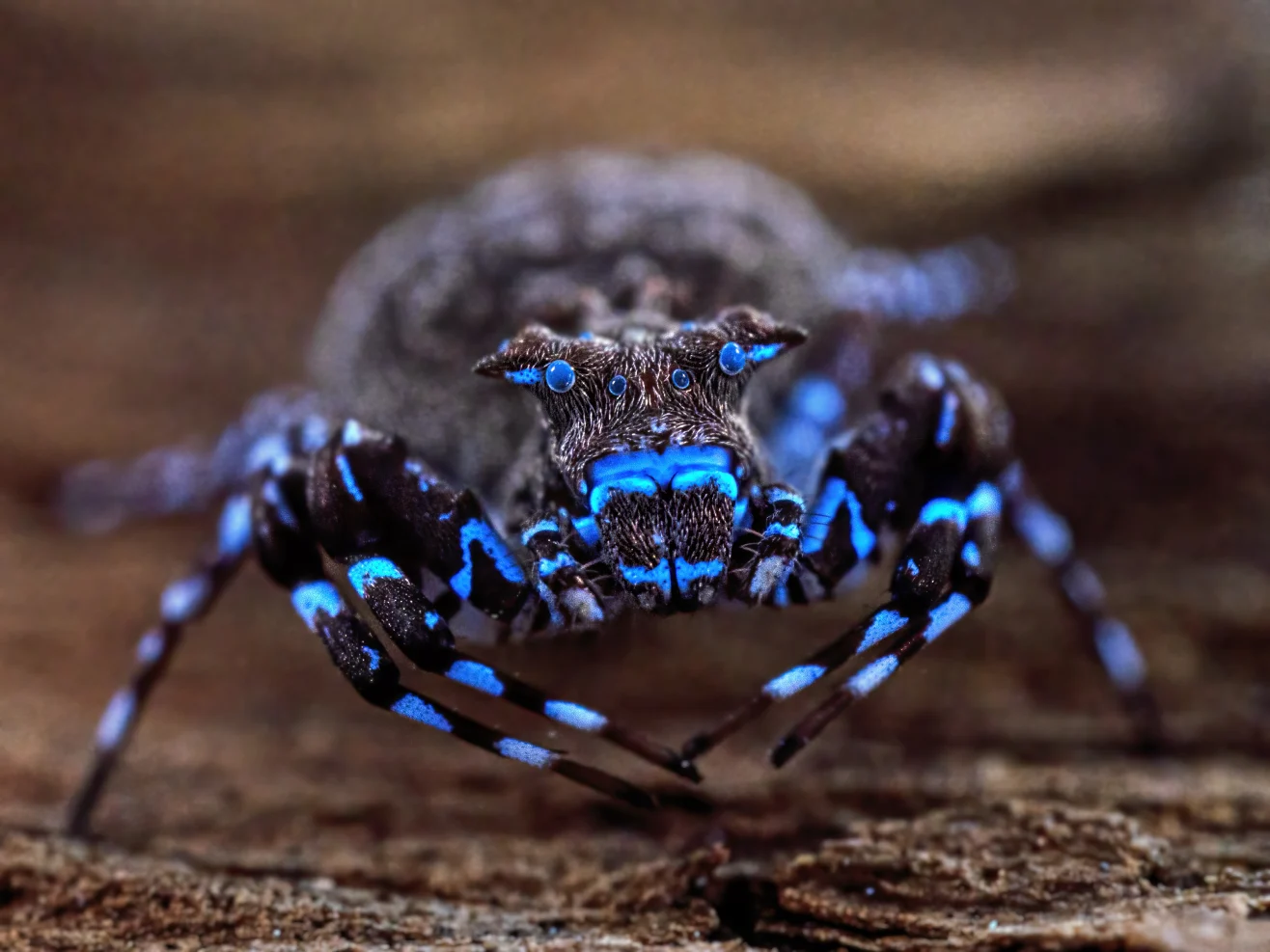
Among the most interesting discoveries is a potentially new species of crowned crab spider that glows blue under ultraviolet light. The reasons for this phenomenon remain unknown at this time.
The expedition also discovered a spider that mimics the appearance of a poisonous ladybug. This mimicry helps it avoid predators.
During the study, 103 species of dragonflies and damselflies were recorded. Eight of them had not previously been described by science. In addition, scientists discovered eight new species of moths.
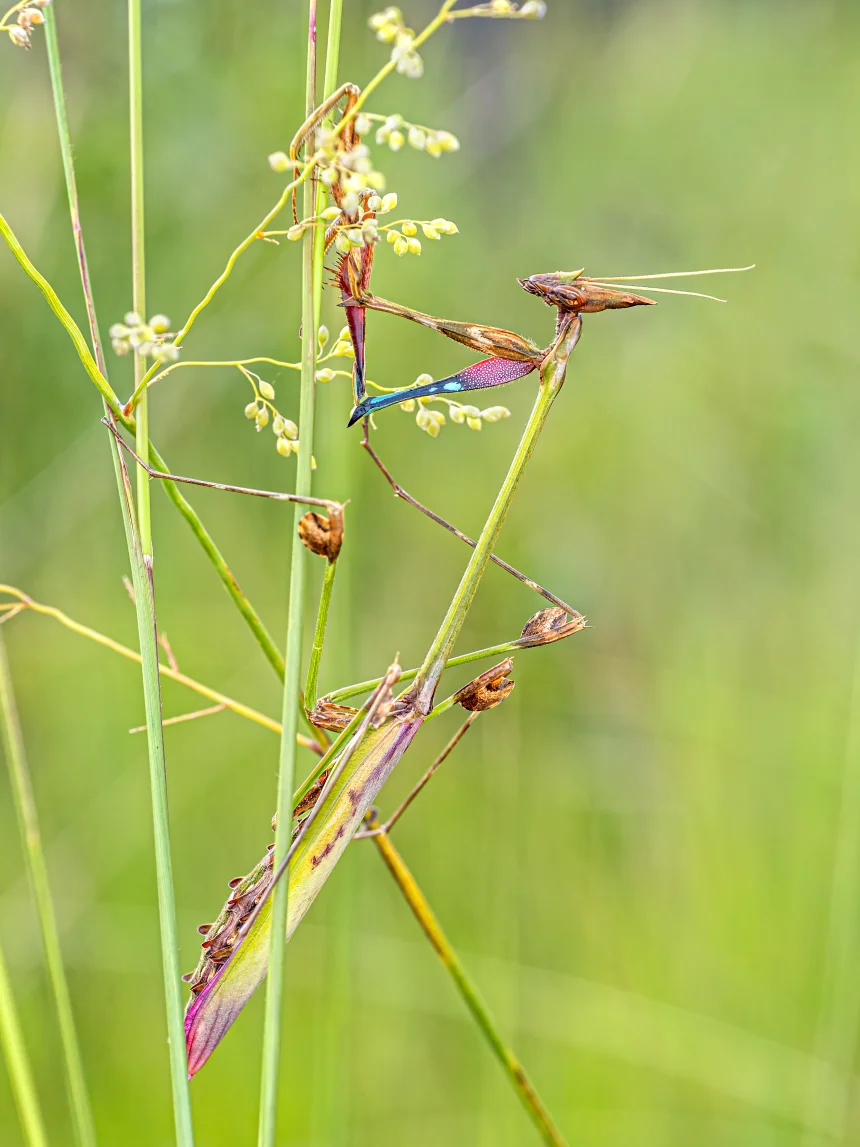
Three previously unknown species of grasshoppers and crickets were also found.
In addition to potentially new species, the expedition documented rare representatives of the fauna already known to science.
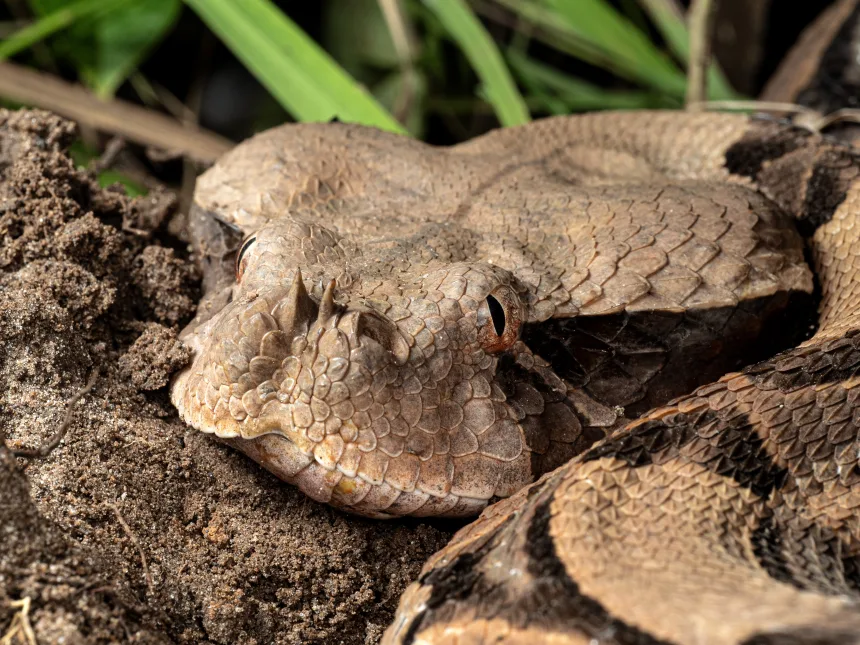
Among them is the Gabon viper, which has the longest fangs of any venomous snake, measuring up to five centimeters in length.
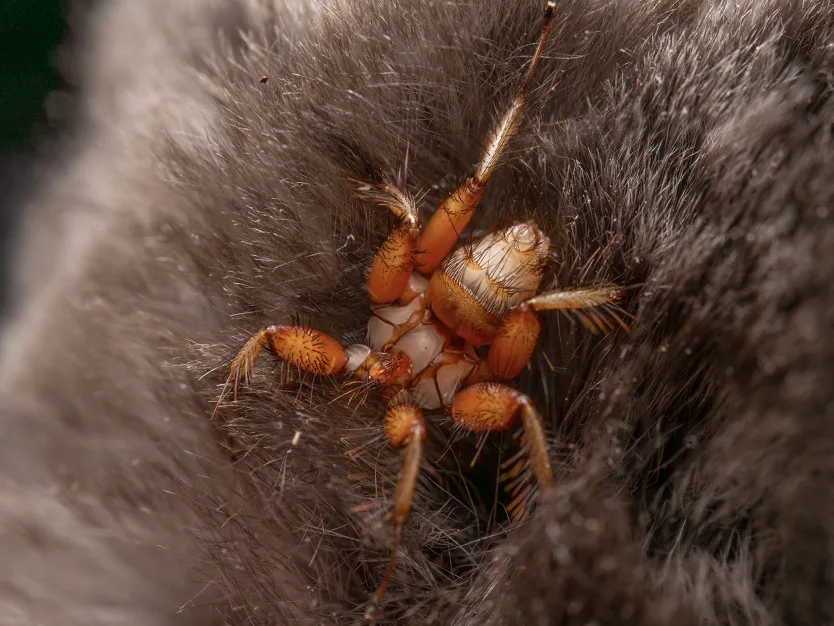
Researchers also discovered a wingless fly—a parasite that lives on bats, moves through their fur, and feeds on blood.
Another unusual find was a multi-pitted moth, whose wings consist not of a solid membrane but of thin, feather-like projections.
Expedition leader Rob Taylor called the fieldwork “a privilege and a thrilling adventure.”
He said that the biggest challenge for the team was working in the middle of the rainy season.
“From a logistical standpoint, it was extremely difficult. More than once, our convoy of vehicles got stuck in the mud for an entire day. We also encountered generator malfunctions and several cases of malaria among team members,” Taylor said.
According to Taylor, processing the results and publishing all the scientific data could take anywhere from several months to several years.
After the expedition concluded, the scientists faced another important question: how to ensure the protection of both newly discovered and already known species.
According to the expedition leader, the species most at risk are those that inhabit limited territories or require specific habitat conditions.
In particular, dragonflies are highly sensitive to changes in freshwater quality, which can deteriorate due to mineral extraction. Some butterfly species depend on specific host plants, which may disappear due to fires or deforestation.
At the same time, the plateau’s remote location has helped preserve its ecosystem. Access to the region remains difficult due to minefields left over from the civil war.
The Wilderness Project is already working to strengthen protection of the area.
Together with its partners, the organization has secured the official designation of the 5.4-million-hectare area as a nature reserve by 2025.