
Lithuania has begun negotiations with the United States regarding the deployment of nuclear weapons
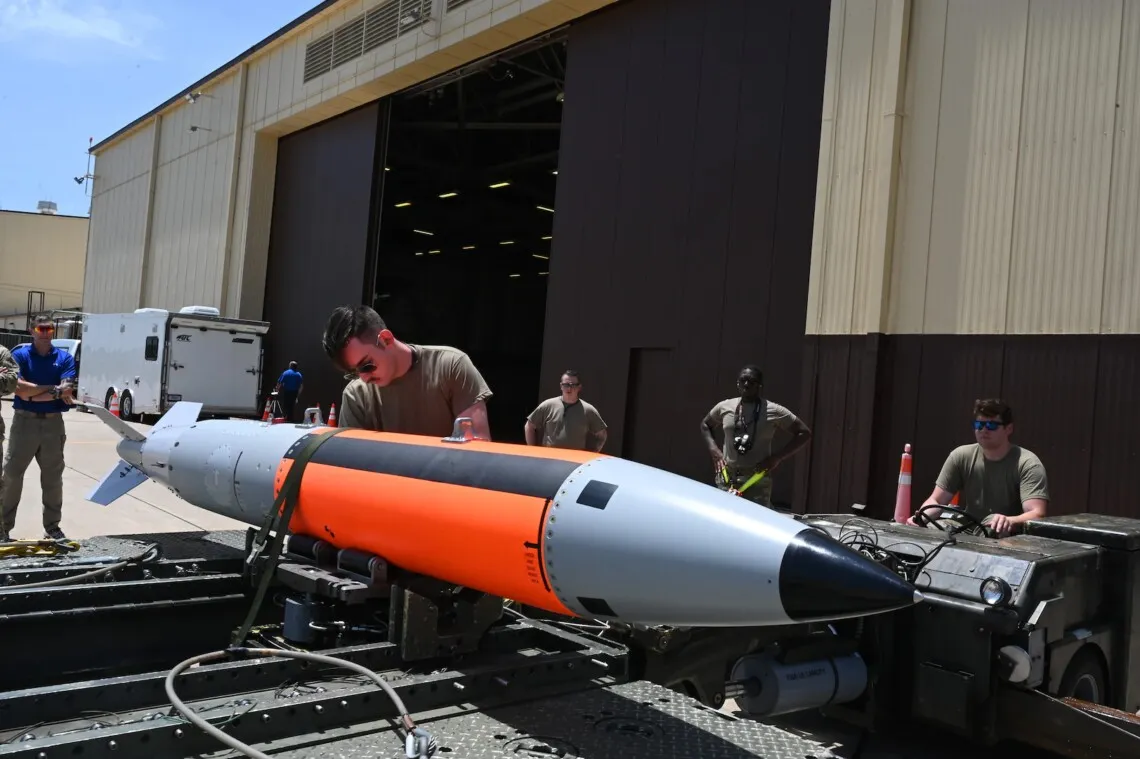
Lithuania is conducting official negotiations with the United States regarding the possibility of deploying U.S. nuclear weapons on its territory. This was announced by Lithuanian Defense Minister Robertas Kaunas on June 3.
The need to bring in such deterrent forces has arisen amid the gradual reduction of the current U.S. military presence in Europe, which is forcing NATO allies to seek ways to close serious gaps in the collective security system.
Currently, the Constitution of Lithuania explicitly prohibits the presence of any weapons of mass destruction on the country’s territory. However, given current critical threats, Lithuanian President Gitanas Nausėda has already put forward an official initiative to make urgent amendments to the country’s constitution. Meanwhile, according to the Financial Times, U.S. officials are considering the deployment of nuclear warheads and strategic bombers in several countries on the Alliance’s eastern flank. Until now, U.S. nuclear assets have traditionally been stored at bases in Germany, Belgium, Italy, Turkey, the Netherlands, and the United Kingdom.
This geopolitical dialogue is unfolding alongside the planned withdrawal of approximately 1,000 U.S. troops from Lithuania. The country’s defense minister, Robertas Kaunas, emphasized that his country will certainly not remain on the sidelines of security processes, and the further question regarding a new regular rotation of U.S. military personnel is currently under final review in Washington.
Politico reports on this.
The U.S. is negotiating the possible deployment of its nuclear weapons in several other European countries. According to sources familiar with the discussions, this involves American bombers capable of carrying nuclear weapons.
Former NATO Secretary General Jens Stoltenberg stated that relations between the U.S. and its European allies have become more strained and less predictable than they were even two years ago. According to him, the situation within the Alliance is no longer just complicated, but one that requires constant monitoring.


