
For the first time in 20 years, the IAEA has referred the Iran case to the UN Security Council
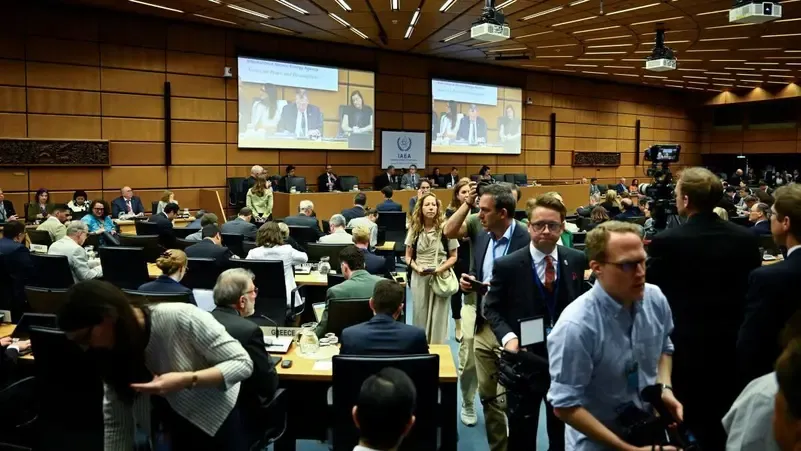
For the first time in two decades, the IAEA Board of Governors referred the Iran case to the UN Security Council due to Tehran’s failure to comply with its obligations under a long-standing nuclear investigation.
Twenty-three of the 35 board members voted in favor of the resolution. China, Russia, and Niger voted against it; eight other countries abstained; and one country did not vote due to outstanding dues. The draft resolution was submitted by the United States, the United Kingdom, France, and Germany.
The basis for the decision was Iran’s failure to fully cooperate with IAEA inspectors regarding traces of uranium found at several undeclared sites.
Back in June 2025, the agency’s board officially recognized that Tehran was not fulfilling its obligations regarding nuclear nonproliferation.
Western countries suspect that the traces of uranium found may be further evidence of the existence of a secret nuclear weapons program in Iran prior to 2003. Iran itself denies this and insists that its nuclear program is exclusively peaceful.
Referring the matter to the UN Security Council elevates the issue to a higher diplomatic level, where, in theory, additional measures against Tehran could be considered, including new sanctions or asset freezes. However, the adoption of tough punitive measures may be complicated by the positions of Russia and China, which are permanent members of the UN Security Council and hold veto power.
It is worth noting that the IAEA’s decision was made against the backdrop of a new escalation in the conflict between the U.S. and Iran. This week, U.S. forces reported the destruction of five Iranian oil tankers, after which Tehran announced strikes on U.S. targets in Jordan. The two sides have been exchanging blows for more than six months, and the latest attacks have once again brought the conflict closer to an open, full-scale escalation.
Source: Al Arabiya.
Alona Shevtsova will moderate a panel on innovations in the payments sector at MEBIS 2026 in Dubai.
The IAEA has identified a new uranium enrichment facility in North Korea.
We should add that Russia is asking North Korea for new, even more powerful KN-30 ballistic missiles.
As a reminder, Russia will mobilize another 600,000 people in 2026–2027.
There will be no quick end to the war in Ukraine, as Russian dictator Vladimir Putin has no intention of ending it.
The Vatican’s top diplomat, Paul Richard Gallagher, met with Russian Foreign Minister Sergey Lavrov in Moscow on August 25. The parties discussed the war against Ukraine and agreed to maintain contact. The Vatican emphasized that it advocates for an end to hostilities and the start of genuine negotiations.


