
IMF warns of uneven impact of AI on EU economies — Asharq Al-Awsat
In Dublin, Ireland, the International Monetary Fund said in an analytical note that artificial intelligence could increase productivity in Europe by around 1% over five years. At the same time, the technology could exacerbate economic inequality, strain power grids and increase dependence on foreign technologies, Asharq Al-Awsat reports, citing Reuters.
The note was prepared for the informal meeting of EU finance ministers held in Dublin on September 18–19. The IMF noted that completing the EU single market could help ensure a more even spread of AI and its economic benefits among the bloc's 27 member states.
Risks for workers and regions
The fund believes that the benefits and costs of implementing AI will be distributed unevenly among countries, regions and workers. According to the IMF's estimate, about 60% of workers in advanced European economies are employed in occupations that are significantly exposed to artificial intelligence.
More current news is available on the UA.News Telegram channel Telegram.
Some workers will be able to increase productivity through AI tools, while others may face displacement as routine tasks are automated. The greatest risk concerns occupations in which AI is more likely to replace human labor than complement it. More advanced EU countries, according to the fund's assessment, may receive disproportionately greater benefits because they are better prepared to use the technology and are more involved in it.
Pressure on the energy sector and dependence on technology
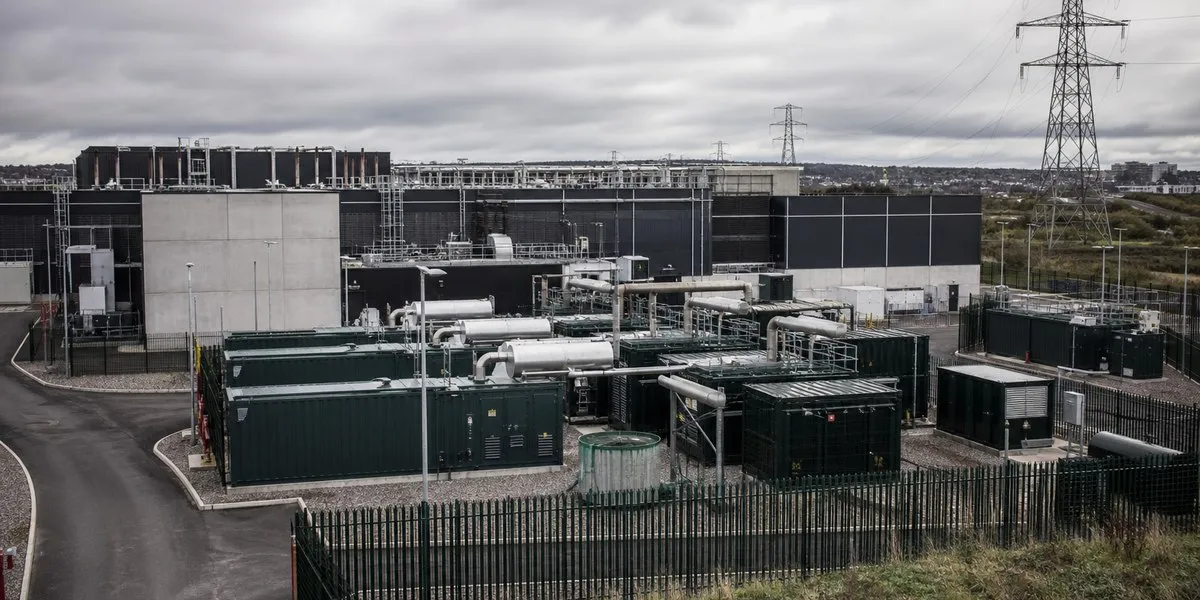
Europe's data centers already consume around 3% of the continent's electricity, and demand for power will rise sharply as AI spreads. The technology hubs of Frankfurt, London, Amsterdam, Paris and Dublin were described as particularly vulnerable, as the concentration of data centers is already putting pressure on local power grids.
The IMF noted that the EU must invest in cross-border grid infrastructure and deepen the integration of the European energy market. The fund also warned of the risk of new strategic dependence, as the United States and China dominate the development of AI models. To avoid dependence on foreign technologies, Europe needs substantial investment in its own artificial intelligence industry.


