
Taiwan forum says China and CCP are becoming increasingly intertwined
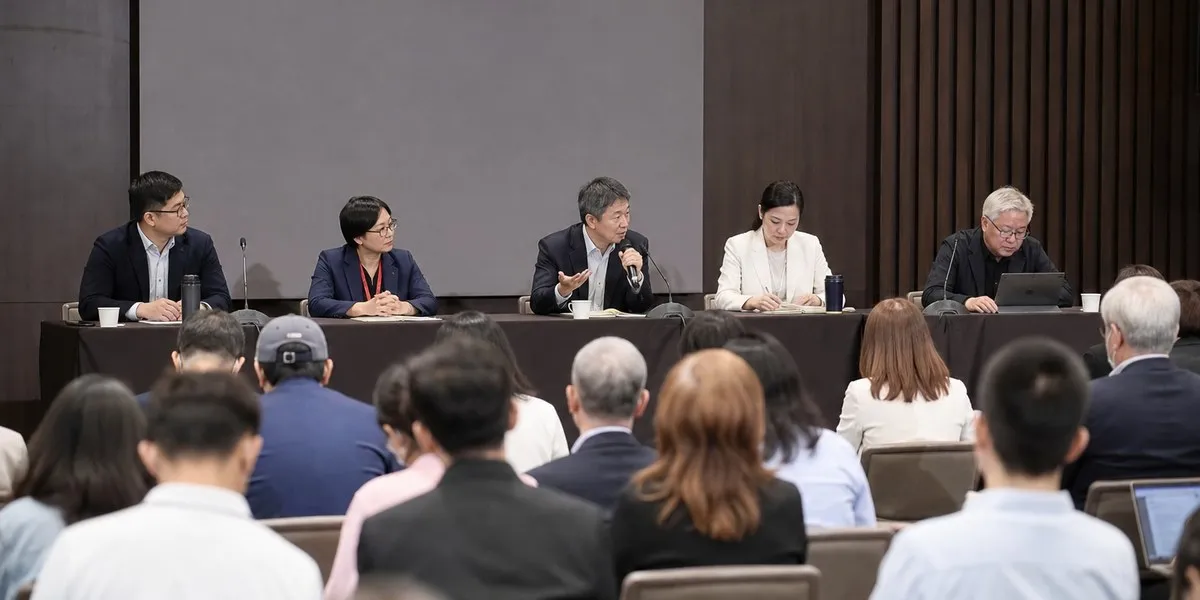
Yu Tsung-chi, former dean of Fu Hsing Kang College at the National Defense University, said at a forum in Taipei, Taiwan, that the Chinese Communist Party’s (CCP) tightening control is making it increasingly difficult to distinguish between China and the party. He urged Taiwanese society to take into account the strengthening of this connection, the Taipei Times reports.
The forum, “Anti-Communism 2.0: Rethinking Communism in the 21st Century — Completely Eradicating Communism,” was organized in Taipei by the Formosa Republic Association. According to Yu, technological development, the adoption of the Law on Promoting Ethnic Unity and Progress, and revisions to the National Defense Education Act have strengthened the CCP’s internal control.
Deterring China
Yu said that hopes of dividing or weakening Chinese nationalism are an illusion. In his view, rather than waiting for changes in the CCP, Taiwan should strengthen its capabilities and resolve to deter China.
Political commentator Jin Hengwei also disputed the claim that the CCP is not identical to China. He expressed the view that even the fall of the CCP and Chinese President Xi Jinping would not necessarily steer the country toward democracy.
More current news is available on the UA.News Telegram channel Telegram.
Taiwanese human rights advocate Lee Ming-che, who spent five years imprisoned in China after being convicted of “subversion of state power,” said that China’s democratization would not guarantee Taiwan’s security. He noted that China under communist rule is considering the use of force against Taiwan, while in a democratic China the issue could potentially be put to a referendum.
Economy and domestic risks
Journalist and Taipei Times adviser Sean Lu told forum participants that the US National Security Strategy released last year, in his opinion, indicates a change in Washington’s approach to China. He urged Taiwan not to repeat the policy of unlimited investment in China known as “go west boldly.”
Lu also said that China’s economy has already entered deflation and faces challenges such as the middle-income trap and the loss of its demographic dividend. At the same time, he did not call for ending all contacts between Taiwan and China, instead proposing a focus on Taiwan’s role in global supply chains and deepening ties with other countries.
Yu, for his part, said that Taiwan’s national security agencies had reported “communist groups” at nearly 40 schools. He proposed making politics a compulsory subject with separate attention to communism, as well as strengthening penalties for facilitating China’s transnational repression.


