
On Mindanao, concessions overlap 41% of suitable eagle sites — Mongabay
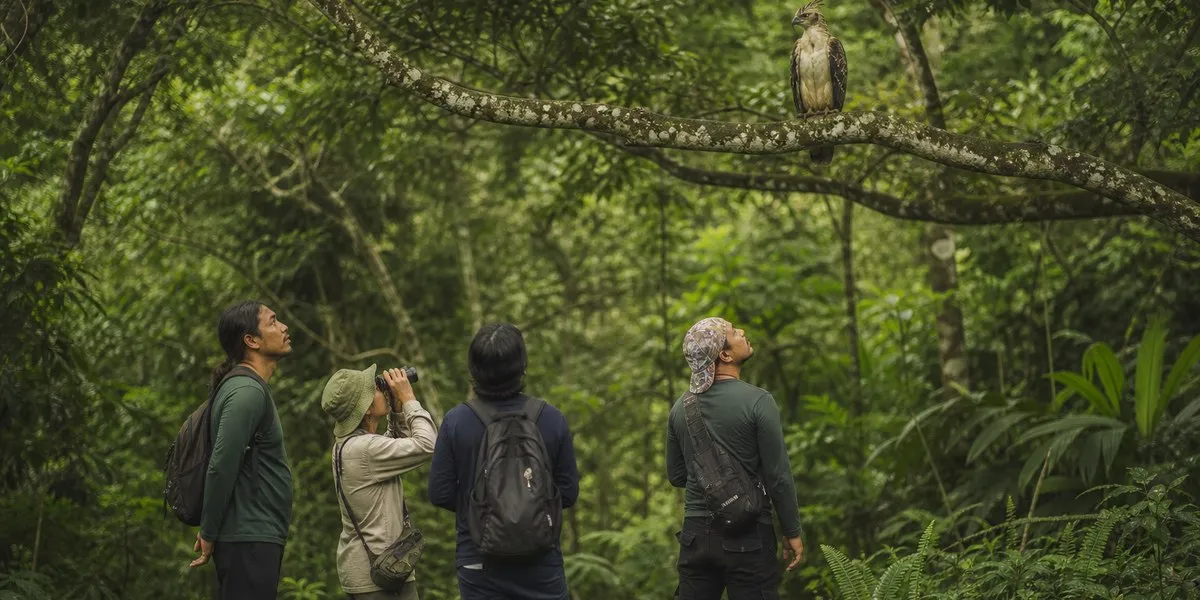
On the Philippine island of Mindanao, approved mining concessions overlap with 41% of areas that researchers identified as most suitable for nesting by the Philippine eagle. In key clusters of high-quality nesting habitat, this figure reaches 65%, Mongabay reports, citing a study published in Bird Conservation International.
Risk zones for nesting
The Philippine eagle (Pithecophaga jefferyi), the national bird of the Philippines, is critically endangered. Mindanao is its main stronghold. Researchers modeled suitable nesting areas on the island using data on 48 known nests, GPS tracking of seven adult birds, as well as satellite data on vegetation, forest condition and terrain.
The scientists then compared the identified areas with the boundaries of approved mining concessions, protected areas and recognized Indigenous ancestral lands. Only about 35% of the most suitable habitat in the Eastern Mindanao Biodiversity Corridor lies within protected areas.
The authors stress that the presence of an approved concession does not automatically mean that extraction will begin or that eagle habitat has already been destroyed. The potential impact depends, among other things, on the method of extraction, compliance with regulatory requirements and environmental safeguards.
More current news is available on the UA.News Telegram channel Telegram.
The role of Indigenous lands
Indigenous ancestral lands separately overlap with 65% of key areas of high-quality nesting habitat. The study clarifies that these figures do not necessarily concern the same areas as the mining concessions.
The authors propose conducting systematic eagle surveys in concessions that overlap with suitable habitat. If planned extraction may affect breeding birds, they recommend introducing temporary moratoriums until surveys and a conservation assessment are completed. Once important nesting sites are confirmed, they propose legally protecting them from extractive activity and establishing buffer zones.
The researchers also call for stronger cooperation with Indigenous communities, whose forest guards, nest monitors and local researchers participate in nest searches, eagle monitoring and forest protection. Forests where eagles have not yet been recorded should not automatically be considered unimportant: they may be future nesting sites, climate refuges or routes for the birds' movement.




