
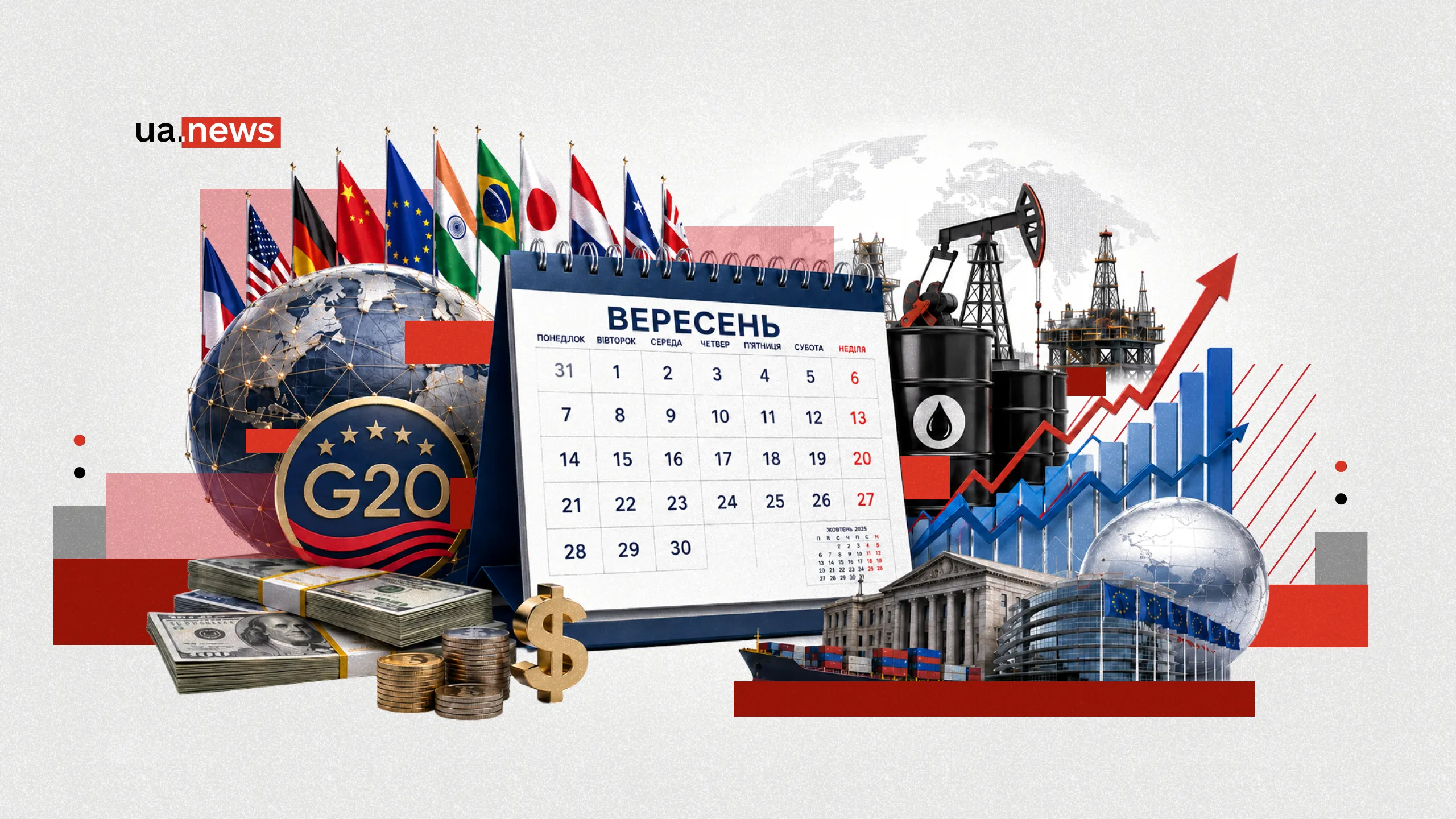
September traditionally marks the return of global politics and financial markets from summer mode to full-scale operation. But this year, the start of fall may prove to be significantly more important than usual. Several factors are converging at once: a new escalation in the conflict between the U.S. and Iran, oil prices once again exceeding $90 per barrel, inflation in the largest economies no longer declining steadily, and central banks will have to decide whether to raise interest rates even further.
On the political front, the situation is no less tense. September may open a new window for negotiations between Ukraine, the U.S., and Russia, as world leaders gather in New York for the UN General Assembly, while Europe will simultaneously be entering a difficult budget season, trying to find additional funds for Ukraine and watching as radical parties gain strength.
Moreover, all these processes are interconnected. A new attack in the Persian Gulf could drive up oil prices; higher oil prices could accelerate inflation; and inflation could force the Fed and the ECB to keep interest rates high, and high interest rates could slow the economy, exacerbate debt problems, and reduce governments’ willingness to spend tens of billions more on defense.
UA.News explains which events in September 2026 could have the greatest impact on global politics and the economy—and why, this time, the first month of fall could set the tone for the rest of the year.
Iran pushes oil prices back above $90: September begins with the risk of a new energy shock
September’s most unpredictable variable emerged even before the month began. On August 30, U.S. forces again struck Iranian positions near the Strait of Hormuz. According to the Associated Press, the U.S. stated that it had attacked missile launchers on Larak Island after reports emerged that Iran might be preparing new mining operations in the Strait area.
Iran responded with missile strikes on U.S. targets in the region. This marked the first such significant resumption of hostilities after several weeks of relative calm.
The market reacted almost immediately. On August 31, Brent rose to about $90.5 per barrel, while U.S. WTI climbed above $85. At the same time, Asian stock indices fell and U.S. bond yields began to rise.
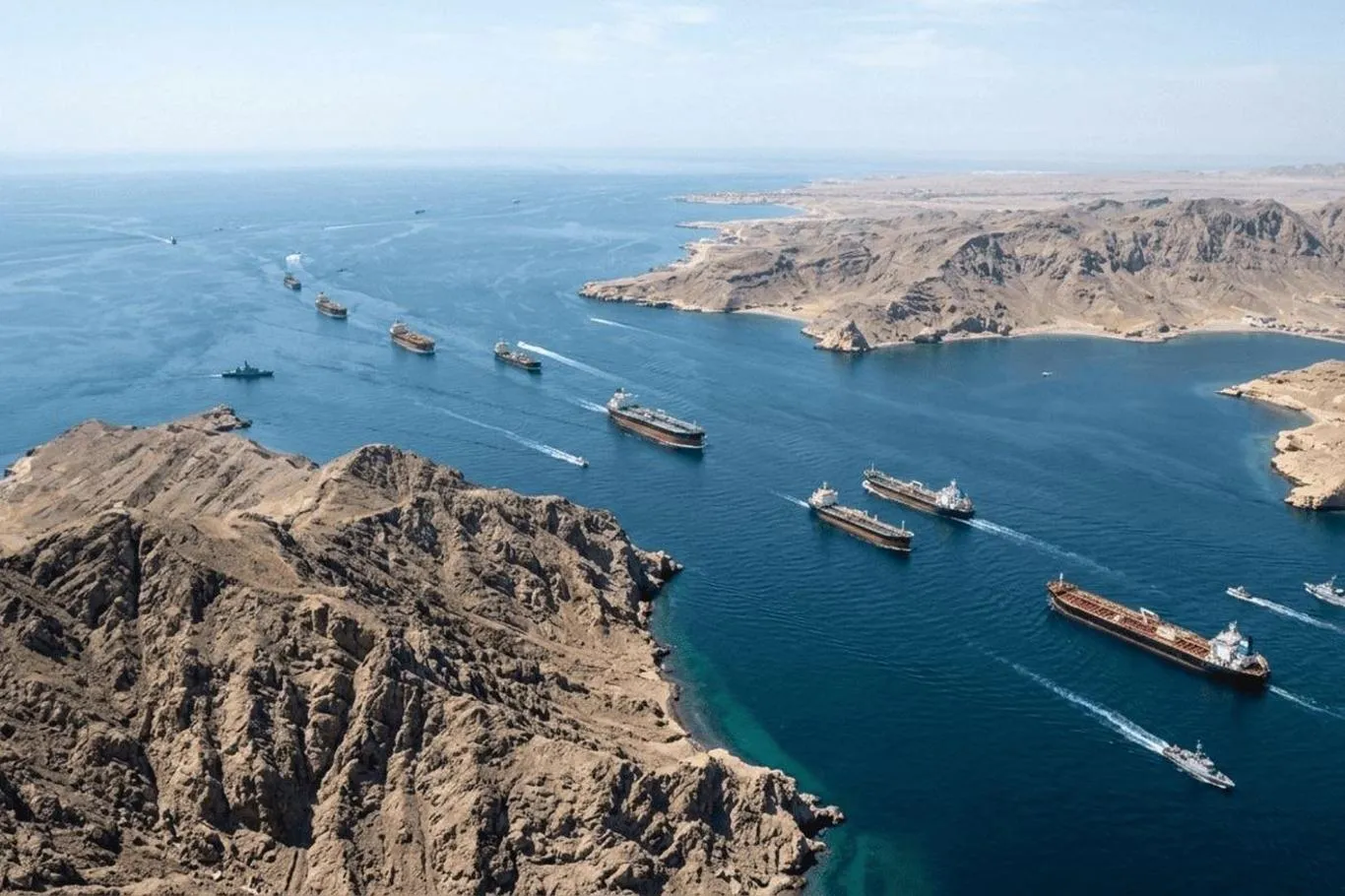
For the global economy, the problem lies not even in the $90 price itself. What is far more important is that the Strait of Hormuz has remained one of the world’s major economic risks for six months now. A vast portion of oil and liquefied natural gas exports from the Persian Gulf passes through this route. Since the war began, shipping traffic has plummeted, and the U.S. has been forced to expend resources to ensure the safe passage of tankers.
According to the AP, the U.S. strategy has also shifted over the six months of the war: while Washington initially focused primarily on Iran’s nuclear program and military infrastructure, ensuring the passage through the Strait of Hormuz has now effectively become one of its main objectives.
This makes September particularly dangerous for the oil market. Any attack on a tanker, new mine-laying, a strike on an oil terminal, or an escalation between the U.S. and Iran could very quickly lead to a scenario where traders begin to factor into prices not just an oil shortage, but the risk of a prolonged disruption in supplies.
Moreover, the global economy is entering this situation with inflation already on the rise. In the International Monetary Fund’s July forecast, global inflation for 2026 was estimated at 4.7%, up from 4.1% last year. The IMF explicitly acknowledged that the global decline in inflation has effectively stalled. The average oil price in the Fund’s forecast had already been raised to approximately $89 per barrel.
In other words, central banks around the world are facing practically the worst possible combination: economic growth is not particularly strong, but cutting rates is difficult because the latest rise in fuel prices is once again driving up prices.
If hostilities subside in September, prices may fall back, and this threat will gradually cease to dictate market behavior. But if the conflict returns to a phase of regular attacks, Iran itself could become the event that upends most economic forecasts for the second half of the year.
And this will affect more than just gasoline. Higher energy costs mean higher transportation costs, production costs, airfare, fertilizer prices, and ultimately, food prices. The IMF has already forecast an increase in global food prices of about 8% due to higher energy, fertilizer, and logistics costs.
Therefore, in September, the oil market will effectively become one of the world’s key political indicators.
The G20 summit ends on September 1: The U.S. will attempt to turn the war with Iran into a global economic campaign
The first major international event of September actually begins on August 31. A meeting of G20 finance ministers and central bank governors is taking place in Asheville, North Carolina. According to the official schedule of the U.S. Department of the Treasury, the main part of the meeting will take place on August 31 and September 1.
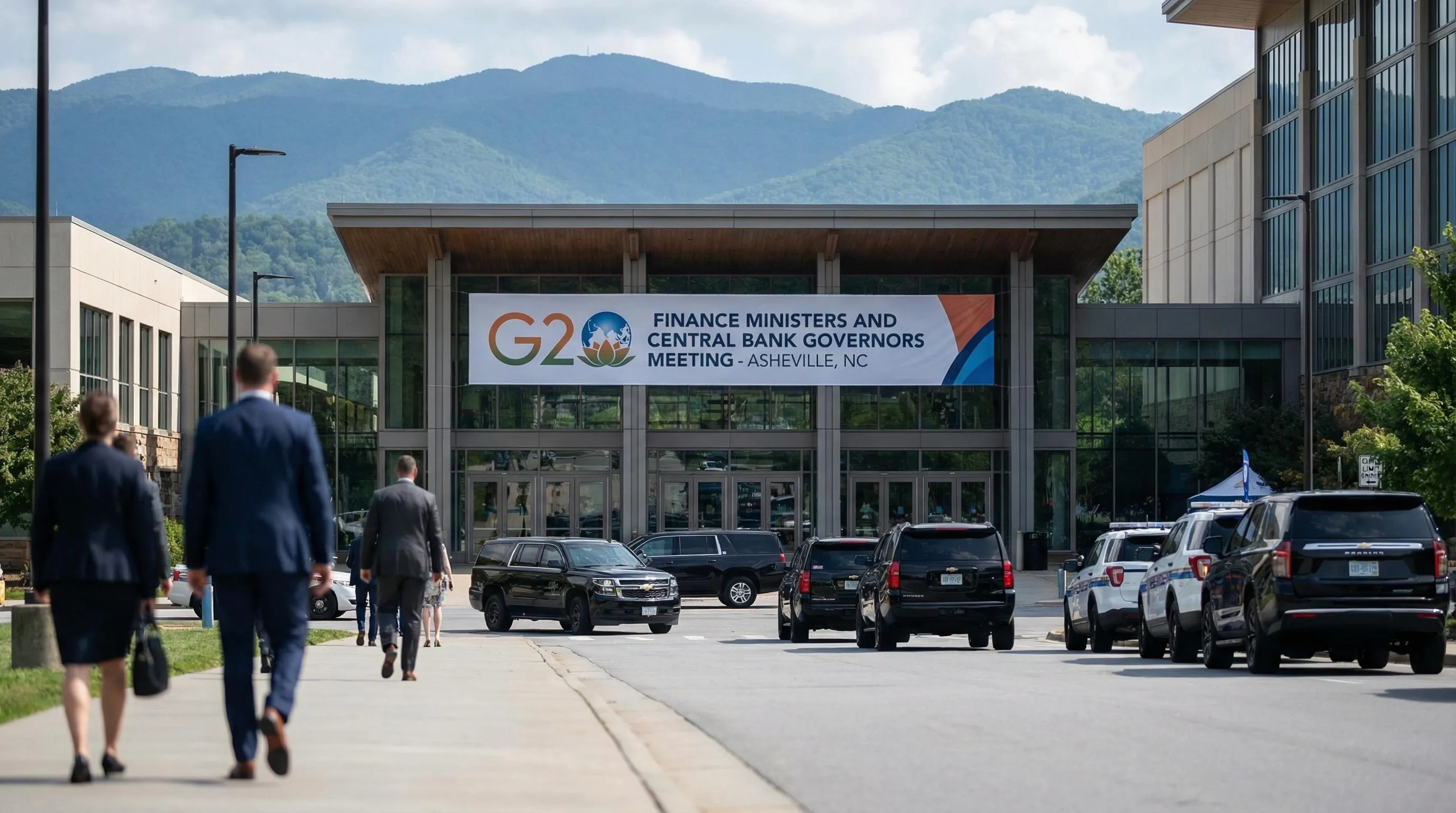
Initially, the U.S. presidency planned to focus the meeting on economic growth, global imbalances, sovereign debt, financial regulation, digital assets, and international payments.
But the war with Iran is almost certain to change the agenda. Washington plans to use the G20 to form a broader coalition to exert economic pressure on Tehran. The U.S. is seeking to convince its partners to support sanctions while simultaneously putting pressure on countries that continue to trade with Iran. China’s position—as one of the largest buyers of Iranian oil—remains particularly complex.
And this is where a much broader story begins. If Washington tightens secondary sanctions against Chinese banks or companies, the conflict in the Persian Gulf could gradually escalate into a new trade and financial conflict between the U.S. and China. And that poses a risk not only to the oil market but also to global supply chains, currencies, and technology companies.
The second major theme of the G20 is debt.
Rising interest rates and the high cost of servicing public debt are becoming a problem even for the largest economies. For poorer countries, the situation is much more complicated: they are simultaneously paying more for energy, imports, and loans.
Therefore, decisions regarding debt restructuring may seem technical, but in reality, they will determine whether dozens of countries will have enough money for social programs, infrastructure, and food imports.
Another factor is U.S. Treasury bonds. Rising oil prices and inflation expectations have already pushed up yields on U.S. debt. This automatically makes borrowing more expensive virtually everywhere in the world.
So this G20 meeting will be important not so much because of the possibility of reaching any single major agreement. It is far more important to see to what extent the world’s largest economies are willing to coordinate their actions at all.
If the U.S., China, the EU, and other participants demonstrate a willingness to jointly protect energy routes and prevent the conflict from escalating out of control, this could calm the markets. If, however, the meeting reveals even deeper political divisions in the world, September could mark the beginning of a new wave of economic fragmentation.
September 10–18 will determine the fate of interest rates: the ECB, the Fed, and the Bank of Japan will hold three key meetings over eight days
Mid-September could be the most important period of the year for the foreign exchange market.
On September 10, the European Central Bank will announce its interest rate decision. The meeting will take place in Berlin, followed by the ECB’s traditional press conference.
A day later, on September 11, the U.S. will release one of the month’s most important economic indicators—August inflation. In July, the U.S. CPI stood at 3.4% year-over-year. The U.S. Bureau of Labor Statistics will release the August data on September 11.
This figure will be particularly significant due to oil prices. If higher energy costs have already begun to feed through to other price categories, the Fed will have a case for an even tighter monetary policy.
The Federal Reserve’s meeting is scheduled for September 15–16. According to the Fed’s calendar, this meeting will include the release of the committee members’ new economic forecast and the projected path of interest rates.
As of August 31, the market estimated the probability of a U.S. rate hike in September at approximately 57%. This is radically different from the situation investors were accustomed to a few years ago, when the main question was when the Fed would begin easing policy.
On September 17–18, another central bank—the Bank of Japan—will announce its decision. The Bank of Japan’s official calendar confirms the meeting dates, and the interest rate currently stands at about 1%.
Japan plays a particularly important role in this story because of the yen. At the end of August, the U.S. dollar was once again trading at around 160 yen. A further rate hike by the Bank of Japan could support the yen, but at the same time create problems for the so-called carry trade, in which investors have for years borrowed cheap Japanese money and invested it in assets in other countries.
That is precisely why the decisions of these three central banks over the course of eight days have the potential to trigger very sharp movements in the currency and stock markets. If the ECB, the Fed, and the Bank of Japan simultaneously signal a tighter policy, the world may see the end of September marked by more expensive loans, stronger currency fluctuations, and a decline in the riskiest assets.
If, on the other hand, inflation turns out to be lower than expected and the oil market stabilizes, central banks will have the opportunity to act more cautiously. That is why September 10–18 could be the week that determines the behavior of the dollar, the euro, the yen, gold, stocks, and government bonds through the end of fall.
Ukraine, the U.S., and Russia May Resume Negotiations
In late August, talk resumed about a possible return to a negotiation format involving Kyiv, Washington, and Moscow.
The head of the Office of the President, Kirill Budanov, stated that a new round of talks could potentially take place as early as September. Ukraine insists on U.S. participation and is trying to resume the process after a long hiatus.
Additionally, during a trip to Moscow, CIA Director John Ratcliffe discussed the possibility of a trilateral meeting between Donald Trump, Volodymyr Zelenskyy, and Vladimir Putin.
However, it is not yet possible to say with certainty that the September summit will take place.
The Kremlin has already publicly stated that it sees no point in a meeting of the heads of state without a pre-negotiated agreement. At the same time, the Ukrainian side suspects that Moscow may be using the negotiation process to stall for time and prepare a new military campaign.
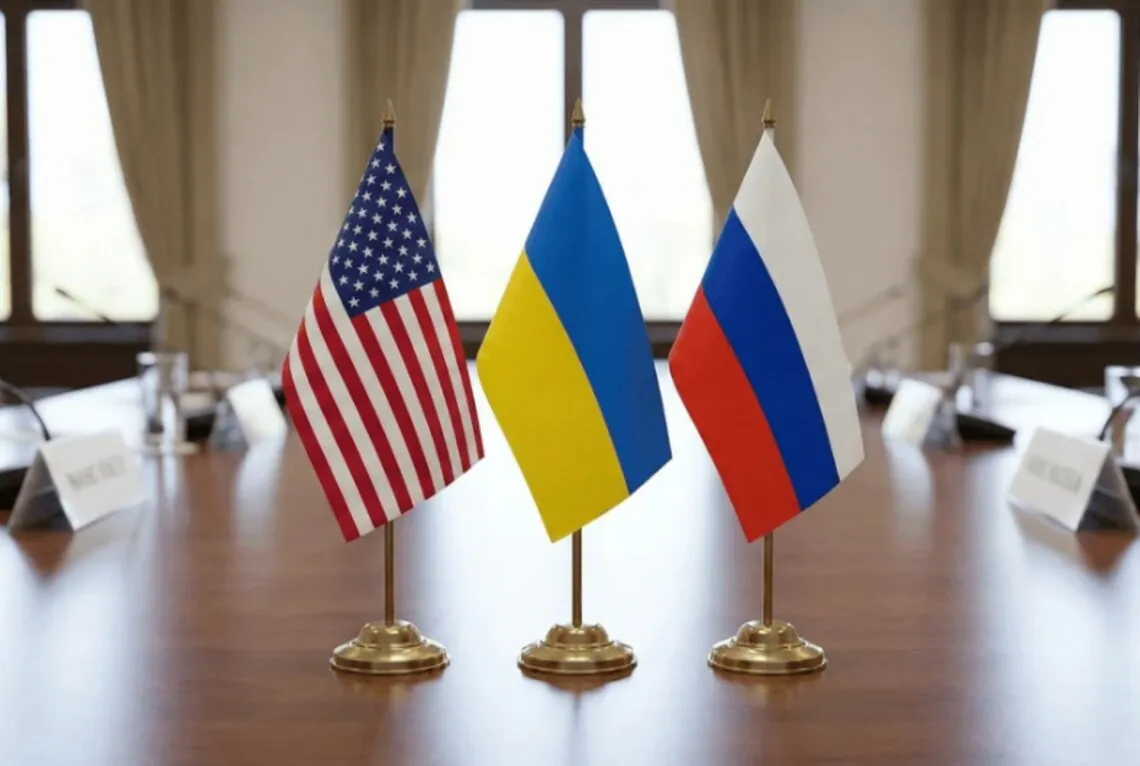
Therefore, the main question for September is not even whether Zelenskyy, Trump, and Putin will sit down at the same table. What matters more is whether at least a framework for negotiations will emerge.
This could include a cessation or limitation of strikes on energy infrastructure, humanitarian issues, prisoner exchanges, mechanisms to monitor a potential ceasefire, security guarantees, and economic incentives.
Any real progress will immediately have economic consequences. A reduction in the risk of major escalation in Ukraine could affect gas prices in Europe, insurance, grain markets, Ukrainian bonds, European countries’ defense spending, and investors’ expectations regarding future reconstruction.
But the opposite scenario is also possible. According to reports that emerged in late August, Ukraine is preparing for the risk of new large-scale Russian strikes on its energy infrastructure. In other words, the diplomatic process could unfold alongside military escalation.
This is precisely what makes September a critical month. There is less and less time left before the start of the cold season. For Russia, energy infrastructure could once again become a tool for exerting pressure, while for Ukraine, preserving its air defense, power generation, and external financial support will be among the key tasks this fall.
Therefore, the September negotiations should not be judged by the number of meetings or statements. The main indicator will be whether the parties begin to move from general talk of peace to discussing specific mechanisms that can be implemented in practice.
Europe is heading into a challenging fall: elections, budgets, and a new battle for tens of billions for Ukraine
September will also be a test for the European Union.
The first major event will take place on September 1–2, when EU foreign ministers will once again discuss financial support for Ukraine.
In late August, the Netherlands, Poland, Spain, and Sweden called for a return to the issue of using frozen Russian assets. Approximately €210 billion in assets of the Russian Central Bank are currently frozen in Europe, with about €185 billion held by the Belgian firm Euroclear.
The reason for revisiting this discussion is simple: Ukraine needs more money. Kyiv is trying to secure part of the funding scheduled for 2027 ahead of schedule, as the military budget deficit is estimated at approximately $27 billion.
In other words, the issue of Russian assets is gradually ceasing to be a purely legal debate. It is turning into a practical question: who will pay for the continuation of the war in 2027.
At the same time, Europe itself is entering a difficult budget cycle. High interest rates are increasing the cost of public debt. Defense spending is rising. Social welfare systems require more and more money due to an aging population. And economic growth remains weak.

Markets will be watching France particularly closely, where the budget deficit remains large and borrowing costs have already risen significantly. Reuters calls the fall budget season one of the main tests for the European debt market.
On September 6, Germany will face another political test—regional elections in Saxony-Anhalt.
On the eve of the vote, the AfD was polling at about 42% support, compared to roughly 22% for the CDU. Chancellor Friedrich Merz has already warned that an AfD victory could scare foreign investors away from the region.
Formally, these are just regional elections.
But politically, they will show just how quickly sentiment is shifting in Europe’s largest economy. A major defeat for the traditional parties could make it harder for Berlin to pass unpopular decisions—from increasing defense spending to providing new aid to Ukraine.
That is precisely why European politics in September is directly linked to the war in Ukraine.
September 22–28: World leaders will gather at the UN
From September 18 to 28, the high-level week of the 81st session of the UN General Assembly will take place, with the general debate among world leaders scheduled for September 22–28.
On paper, the General Assembly lacks the mechanisms to end the war or change oil prices in a single day. In practice, however, this is one of the few times of the year when the leaders of dozens of countries are all in the same city at the same time.
That is precisely why the most important events often take place not on the General Assembly podium, but behind the scenes. For Ukraine, New York could serve as a platform to continue diplomatic efforts regarding potential negotiations with Russia, meetings with the U.S. administration, and engagement with countries of the so-called Global South.
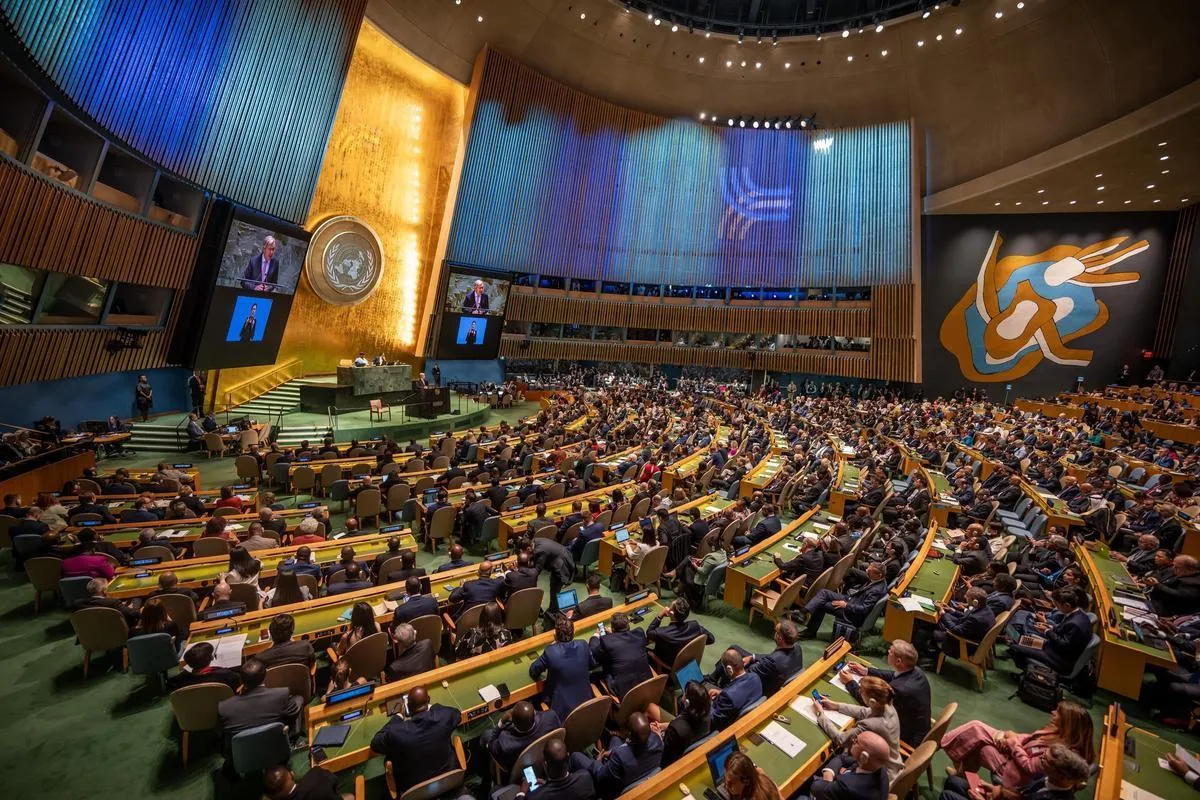
For the U.S., the war with Iran will be a key issue. For Europe, the focus will be on Ukraine, the Middle East, defense spending, and energy security. For China, it is an opportunity to position itself as an alternative center of diplomacy at a time when relations with Washington are once again straining over Iranian oil and sanctions.
On September 23, the UN will also hold a separate high-level event on climate and a just energy transition. And this year, the discussion will seem particularly paradoxical: the world will be talking about decarbonization just as the security of oil and gas supplies once again becomes one of the main topics in international politics.
It is quite possible that New York will be the venue for informal agreements, the results of which we will only see later.
For example, regarding new sanctions against Iran, financial support for Ukraine, guarantees for energy routes, or preparations for new negotiations. Therefore, the end of September may turn out to be no less important than its beginning.
If we look at the major events of September not in isolation but as pieces of a single picture, it becomes clear why this month may turn out to be significantly more important than the usual start of the political fall. The world economy is still far from a full-scale global recession, and the IMF still expects approximately 3% growth in 2026. However, the buffer that allowed economies to weather previous crises is gradually shrinking.
Inflation has not yet been fully brought under control, the price of Brent crude has once again exceeded $90 per barrel, the conflict between the U.S. and Iran poses a constant risk of energy supply disruptions, while European countries are simultaneously increasing defense spending and trying to find additional billions to support Ukraine. Against this backdrop, the Fed, the ECB, and the Bank of Japan must decide whether to ease monetary policy or whether a new round of price increases will force them to reconsider raising interest rates.
None of these factors on its own necessarily signals a new global crisis. The problem is that in September, they may begin to reinforce one another.




