
Nicaragua calls on ICJ to continue hearing case against Germany
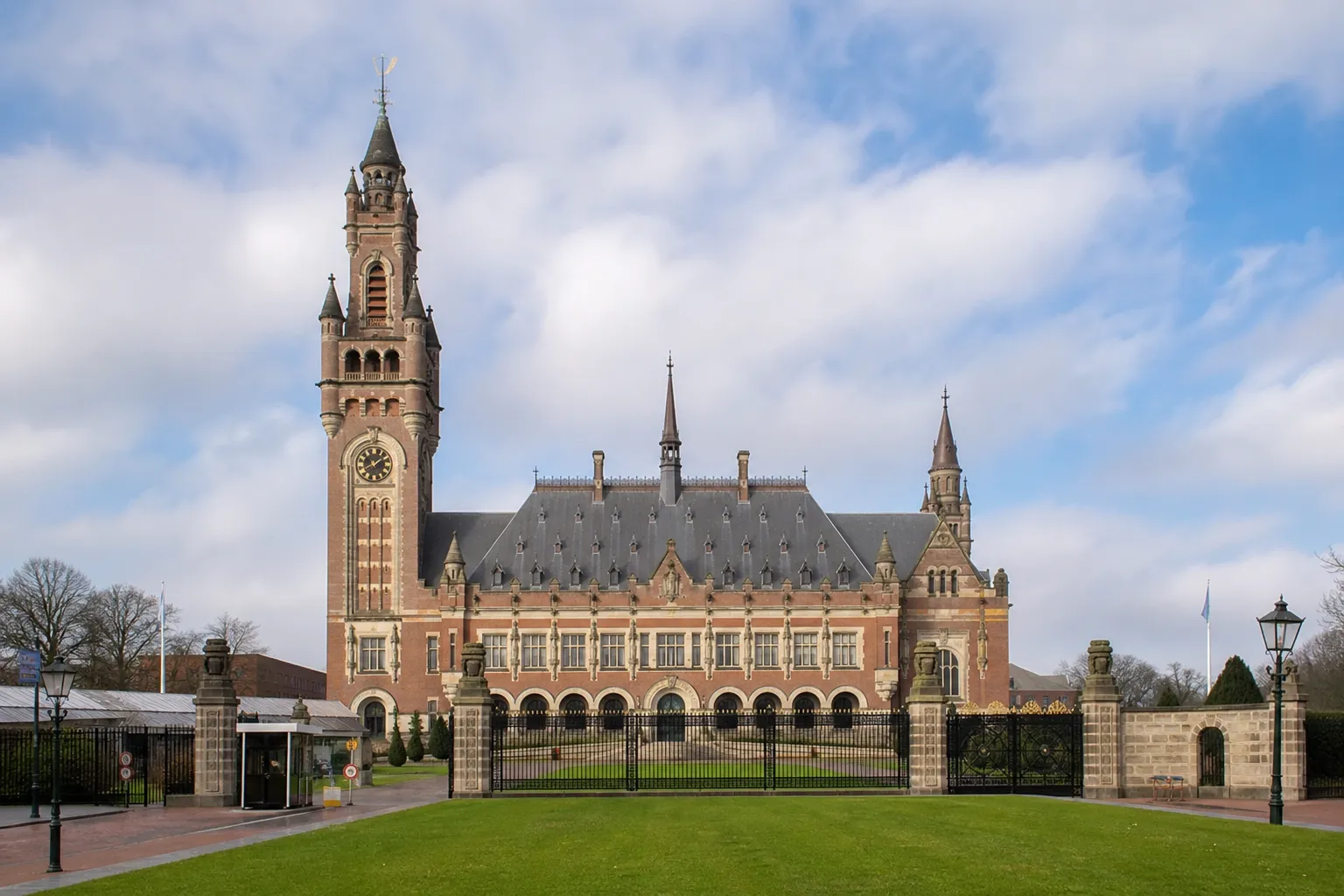
Nicaragua told the International Court of Justice in The Hague, the Netherlands, that German arms exports to Israel violate the 1948 Convention on the Prevention of the Crime of Genocide and international humanitarian law. The country called on the court to allow proceedings in its case against Berlin to continue, Asharq Al-Awsat reports.
Nicaragua’s position
Nicaragua’s representative, Carlos José Argüello Gómez, said Germany should have known of a serious risk that Israel might be committing acts that could constitute genocide. According to him, Berlin should have taken all reasonable measures to prevent genocide in accordance with the Convention.
Nicaragua and Germany are parties to the Genocide Convention, which provides for states’ obligation to take measures to prevent possible genocide. At the same time, this case is unusual for the International Court of Justice because neither party to the proceedings is directly involved in the conflict to which the claim relates.
More current news is available on the UA.News Telegram channel Telegram.
Germany’s objections
On the previous day, Germany asked the International Court of Justice to dismiss the claim, citing a lack of jurisdiction on a number of procedural grounds. Nicaragua rejected Berlin’s argument that no clearly defined dispute existed between the states when the claim was filed. It referred to correspondence with the foreign ministry and press statements.
According to the publication, Germany suspended arms deliveries to Israel for several months in 2025 but later resumed exports. Israel rejects accusations of genocide as politically motivated and says its military campaign is directed against Hamas, whose attack on Israel in October 2023 marked the beginning of the war.
Nicaragua’s claim is based on a case brought by South Africa against Israel over alleged genocide. In an interim ruling in 2024, the court said that Israel’s violation of some rights guaranteed by the Genocide Convention was plausible. A decision on Germany’s jurisdictional objections is expected later this year, while consideration of the case on the merits, if it continues, could take years.


