
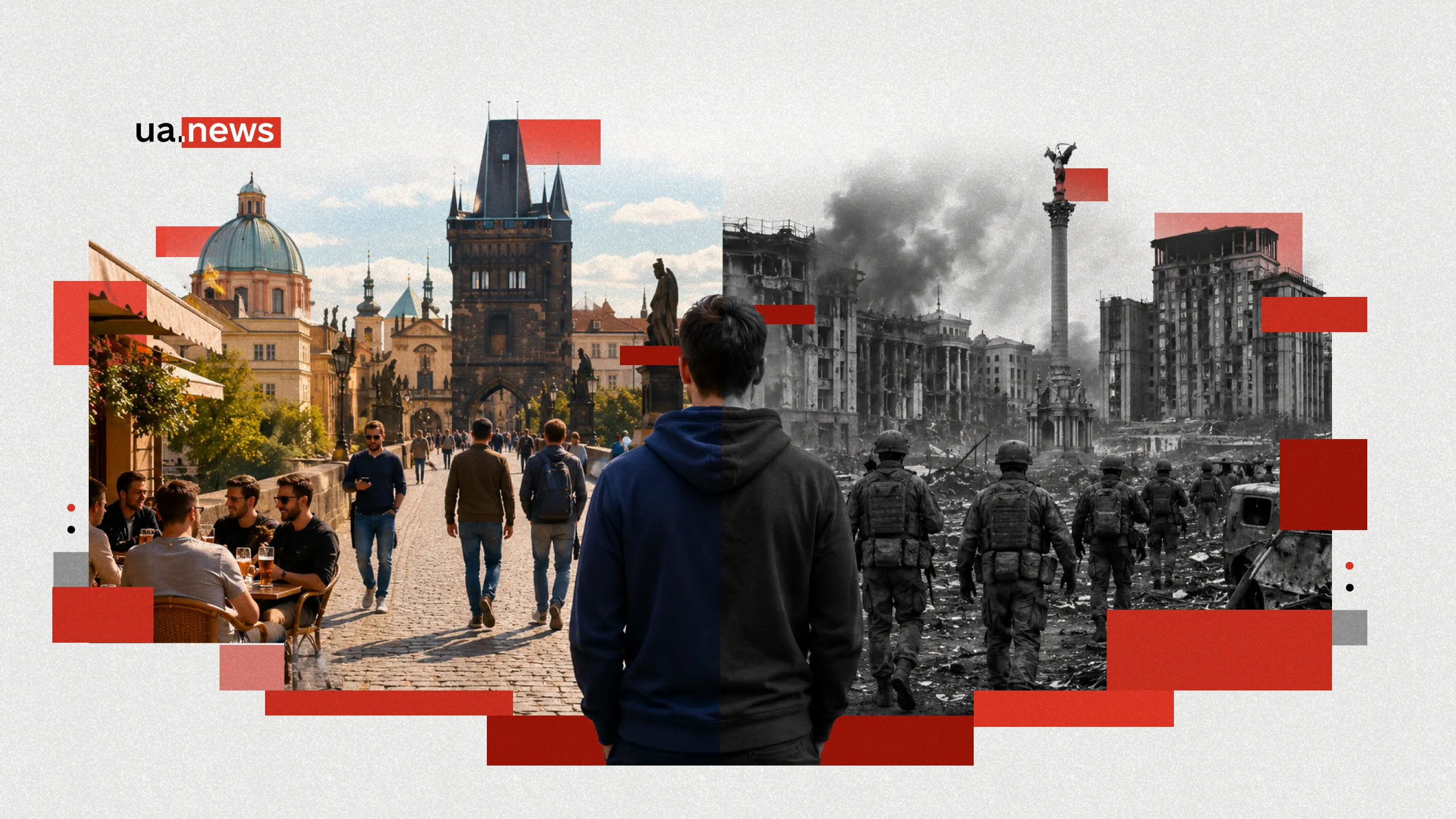
Brussels is restricting temporary protection for Ukrainian men arriving in the European Union starting August 5, 2026. It will not be granted to those who cannot confirm that they have fulfilled their military obligations or that their departure from Ukraine was lawful. In this way, the EU is attempting to align its refugee protection system with Ukraine’s needs for large-scale mobilization.
Why did the EU take this step right now, how will the conditions for new arrivals change, and does this mark the beginning of a large-scale scaling back of support for Ukrainian “draft dodgers”? UA.News takes a closer look.
The
EU Is Scaling Back Aid to “Draft Dodgers”
The European Union has confirmed temporary protection for displaced persons from Ukraine for the fourth time. This status has been extended for another year—until March 4, 2028. But this time, there are restrictions for new applicants. The changes will not affect male refugees who have already been granted protection. This specifically refers to men, although the text of the document deliberately uses the term “person” to avoid accusations of gender discrimination.
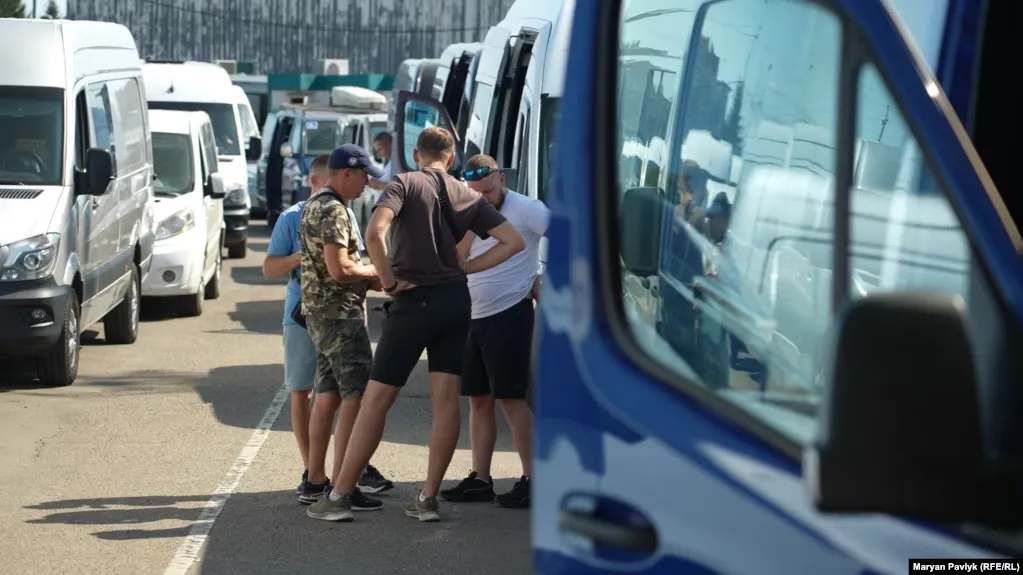
Consequently, protection will be denied to individuals applying for the first time who cannot prove they have the right to legally leave Ukraine. The applicant must provide documents confirming the fulfillment of military duties, a deferment, or an exemption from service in accordance with Ukrainian law. This may include a passport with a stamp confirming legal departure from Ukraine, or confirmation in paper form or via the “Reserve+” app.
It follows that temporary protection will be denied to men who crossed the border not through official checkpoints but via so-called “green” zones. At the same time, a “window of opportunity” remains open for those who manage to leave using forged documents. After all, Ukrainian law enforcement agencies have consistently reported corruption schemes involving the forgery of personal data at the Military Medical Commission (VLK), the Territorial Recruitment Center (TZK), and other government agencies.
Officials in Brussels explained that they imposed restrictions on Ukrainian men because, at this stage of the war, they aim to take Ukraine’s defense needs into account. European Commissioner for Home Affairs Magnus Brunner stated that the decision aims to align the EU’s mechanism with Ukraine’s mobilization rules, and that this is “what Ukraine asked us to do.” In other words, “temporary protection should not be granted to individuals who continue to arrive in the EU even though, under Ukrainian law, they are not permitted to leave the country due to their military obligations.”
The European Commissioner also announced that the EU will test a new project to support Ukrainians who wish to return home in the near future or after hostilities cease.
The EU’s
Internal Interests
In drafting the new temporary protection rules, the European Commission relied on the position of the countries that have taken in the largest number of Ukrainians, primarily Poland, Germany, the Czech Republic, Austria, and the Baltic states. They clearly articulated their position on June 4 at a meeting of the EU Home Affairs Council in Luxembourg during discussions on the mechanism for protecting Ukrainian refugees. Representatives of these countries argued that it would be “reasonable” to exclude from temporary protection those who are prohibited from leaving Ukraine.
“We must fight this war, and we must win it. And for that, of course, it is very important that more men remain in Ukraine and fight. So yes—this is something we could also support,” said Swedish Migration Minister Johan Forssell.
The Polish Ministry of Foreign Affairs also supported the idea of limiting protection for Ukrainian men of draft age. This appears to be a logical continuation of the new sentiment within the country. According to opinion polls, there are more Poles opposed to accepting Ukrainian refugees than there are in favor.
However, not all EU member states have embraced the idea of limiting protection for newly arrived men. Estonia and Luxembourg opposed the move, seeing such a decision as posing risks to compliance with international law and the prevention of discrimination.
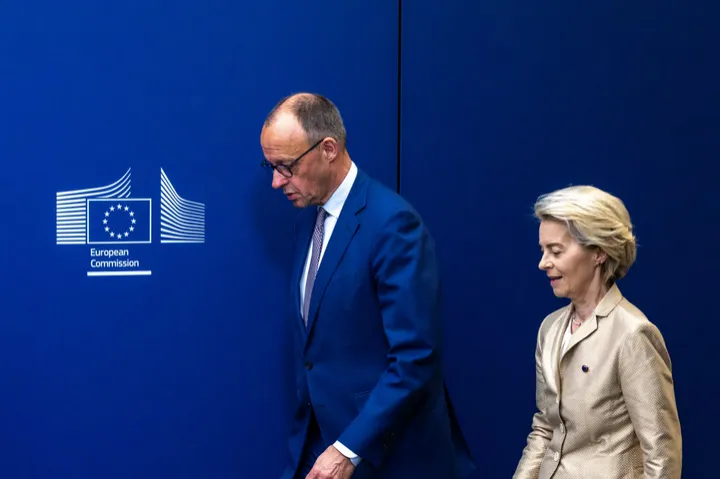
Ultimately, European Commission President Ursula von der Leyen sent a letter to EU leaders urging governments to agree on stricter rules.
At the same time, Vsevolod Chentsov, then Ukraine’s representative to the EU and now Ukraine’s Deputy Prime Minister for European and Euro-Atlantic Integration, stated that it was important to “motivate Ukrainian men of draft age to fight for Ukraine.”
“Perhaps this approach should be aligned with the legal framework in Ukraine, since, for example, men of draft age in Ukraine—with certain exceptions—are not permitted to leave the country,” Chentsov noted.
Men Continue to Leave
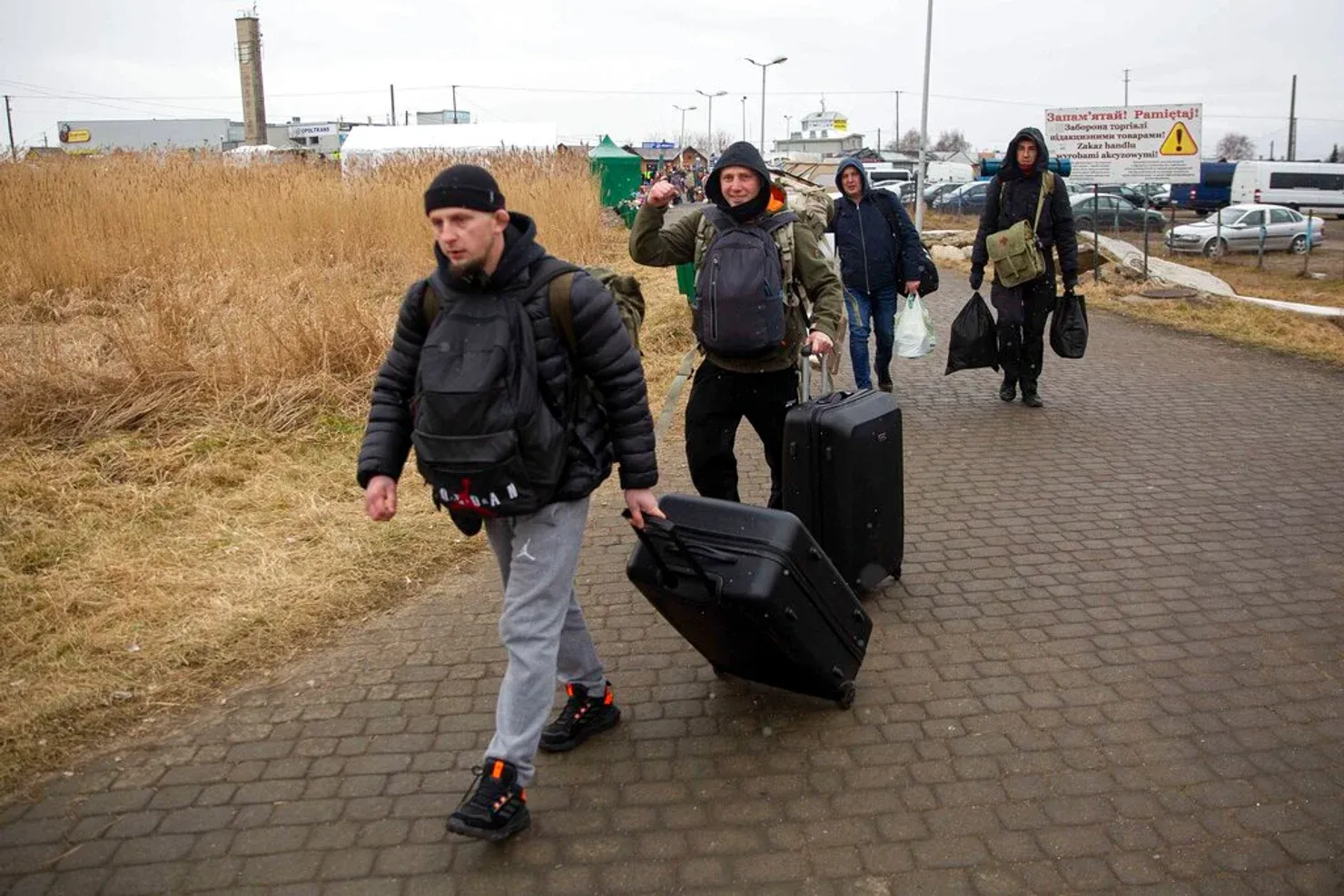
In May 2026, according to Eurostat, approximately 4.4 million Ukrainians were living under temporary protection in EU countries. Of these, nearly 27% were adult men who had left the country legally. This amounts to approximately 1.17 million, some of whom are of mobilization age—between 23 and 60 years old. In the EU, they received temporary residence permits and social assistance, including housing, medical care, access to education, and employment.
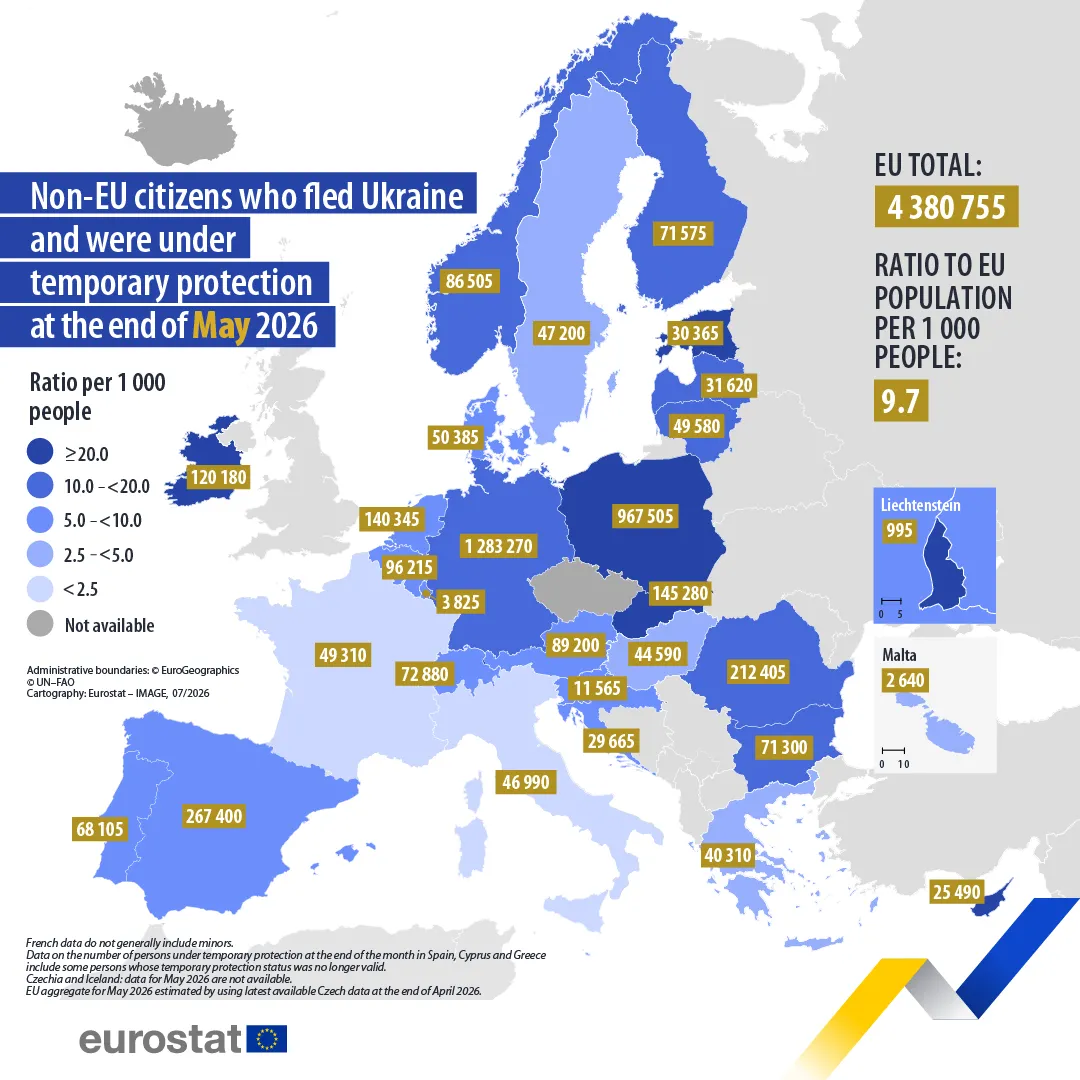
The number of male refugees began to rise sharply in August 2025, when Ukraine began allowing young men under the age of 22 to leave the country. This led to a shift in the structure of migration in some EU countries.
For example, in the Czech Republic, home to more than 394,000 Ukrainian refugees, the number of working-age men arriving exceeded that of women for the first time since the start of the full-scale war. “This is a very important boost that will help the economy in the construction, engineering, and logistics sectors,” said Tomáš Prouza, president of the Trade and Tourism Association and vice president of the Chamber of Commerce, commenting on the arrival of Ukrainian men.
However, the Czech Republic—one of the first EU countries—announced that it would no longer grant temporary protection to Ukrainian men of draft age who have not fulfilled their military service obligations. According to Czech Interior Minister Lubomír Metnar, this decision will reduce the number of refugees continuing to arrive from Ukraine.
“Our government has long advocated for stricter conditions for granting temporary protection, and I appreciate that we have managed to reach an agreement among member states. This decision will reduce the number of new arrivals by tens of percent. This will ease the strain on our resources, as well as on the Czech healthcare and social security systems,” stated the Czech Minister of the Interior.
Ukraine and the EU Are Aligning Their Approaches
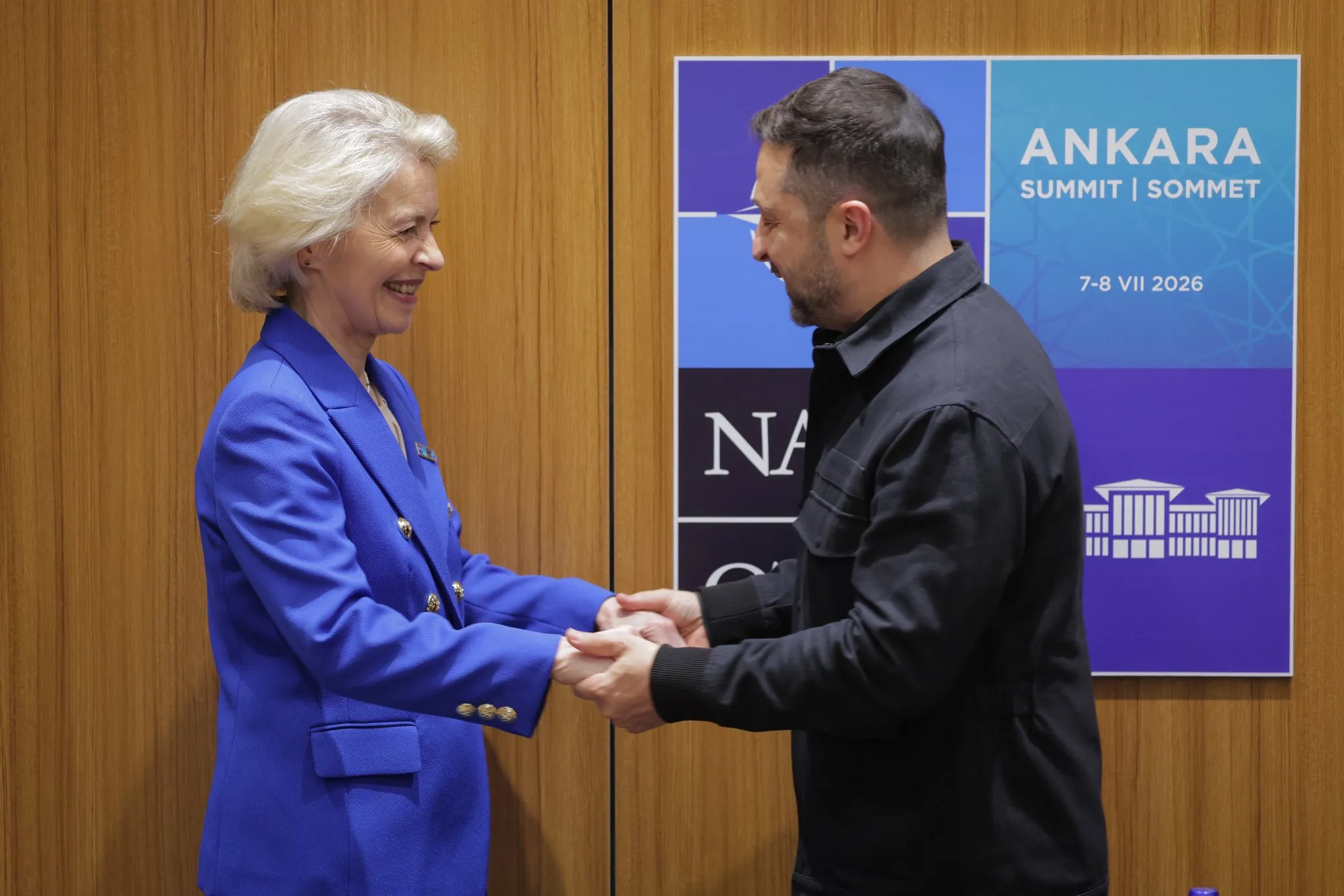
Ukraine and the countries of the European Union have been discussing mechanisms for the return of Ukrainian men who have left for the EU for quite some time. This issue has become urgent against the backdrop of an expected wave of mobilization, which Russia may announce this fall.
Officials in Brussels and Kyiv acknowledge that the forced return of men who have found refuge from the war in the EU is impossible for legal reasons. The key safeguards in this matter are the European Convention on Human Rights and the principle of non-refoulement (the prohibition against returning people to a country where they face danger).
Therefore, to address this issue, only indirect measures are currently being considered, such as cutting social benefits or making the paperwork process more complicated.
On July 29, 2026, a few days before the European Union introduced restrictions on protection for “draft dodgers,” the Cabinet of Ministers prohibited Ukrainian consulates abroad from providing services to men without military registration documents.
Diplomatic missions will verify Ukrainian citizens through the “e-Consul” information and communication system and the Unified State Register of Conscripts, Persons Subject to Military Service, and Reservists. It is also envisaged that the “Oberig” registry will automatically interface with other state information systems. If, upon a citizen’s application, it is determined that his data is not in the Unified State Register of Conscripts, he may be automatically registered for military service with a document issued without undergoing a medical examination.
In addition, government officials and parliament are discussing new incentives to encourage men to return, such as economic contracts and amnesty for anyone who left the country illegally. The idea is that citizens will be able to sign an employment contract remotely, return to the country, receive a salary, and be exempt from mobilization for a certain period. However, the implementation of such initiatives is impossible without the adoption of a corresponding amnesty law.


