
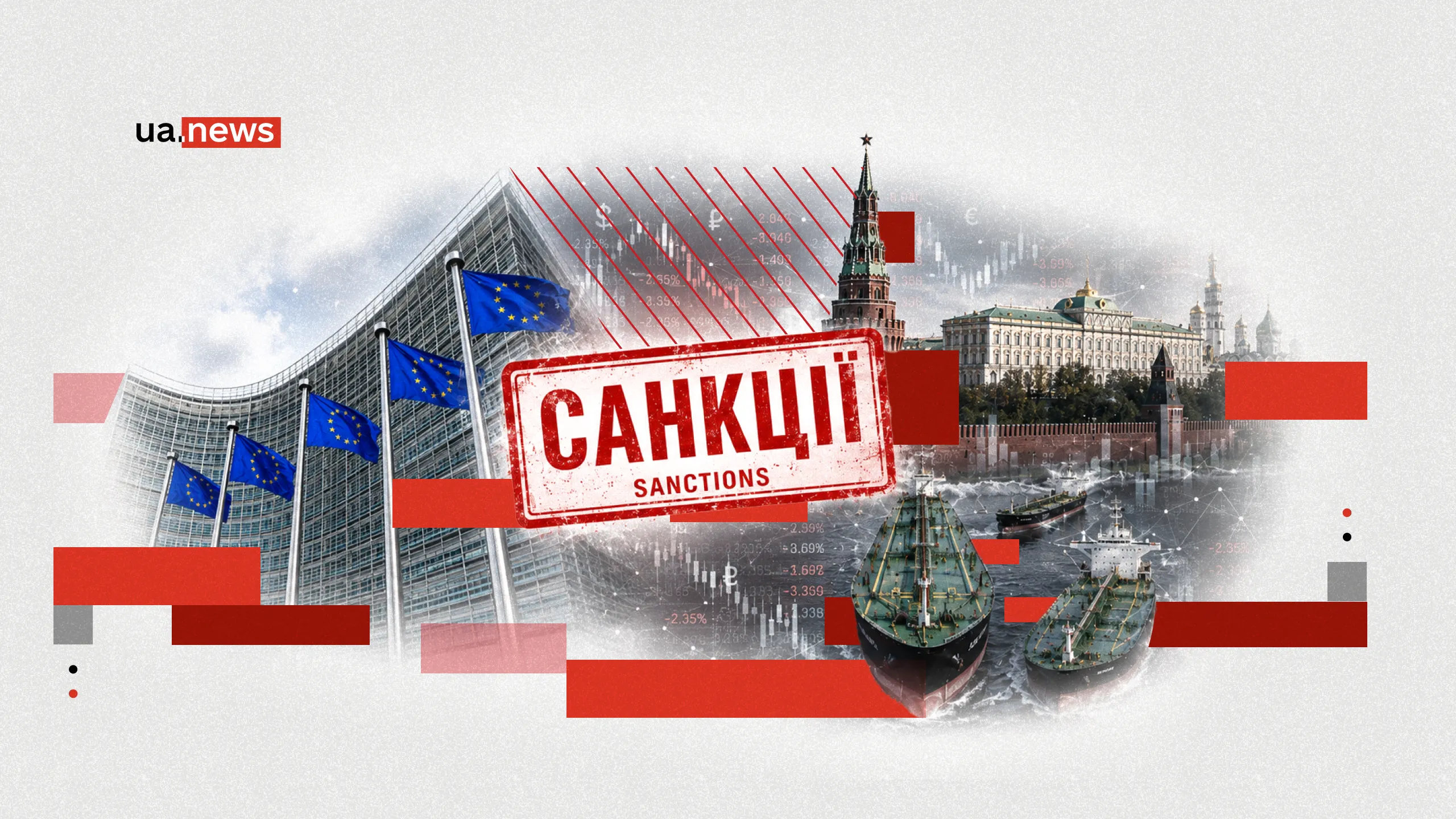
Amid the Russian army’s massive attacks on Ukraine, the European Union is preparing a new package of sanctions against Russia. It could be the largest since the start of the full-scale invasion.
Brussels promises to increase pressure on the Russian economy, the military-industrial complex, and networks used to circumvent restrictions. At the same time, calls to take national economic interests into account are growing louder within the European Union itself.
Preliminary negotiations have shown that the stricter the restrictions become, the more difficult it is for Brussels to reach agreement on them with all member states. Greece, Hungary, Italy, and other countries have already secured exemptions, while at the same time, some European politicians are seeking channels for negotiations with Moscow in coordination with Ukraine.
Will EU countries have enough unity to turn their bold statements into a real sanctions campaign, and how do Ukrainian experts assess these chances? Find out in this UA.News article.

EU Foreign Policy Chief Calls for Tighter Sanctions
On August 17, EU High Representative for Foreign Affairs and Security Policy Kaja Kallas stated that this fall she will propose the largest sanctions package since the start of the full-scale war.
“This fall, I am proposing the most extensive package of sanctions since the start of the war. Once adopted, they will immediately increase the total number of Russian legal entities and individuals subject to sanctions by one-third. The pressure must continue to mount until Moscow ends its war,” emphasized the EU’s top diplomat.
The European Union plans to impose sanctions on more than 1,600 companies that are assisting Russia in its war against Ukraine. Bloomberg previously reported on this. The combined annual revenue of these companies exceeds $20 billion, and they employ more than 265,000 people. In other words, Western analysts believe this will expand the sanctions lists by half at once. However, expanding the “blacklists” will not guarantee a stronger blow to the Kremlin’s military capabilities unless the EU cuts off the workarounds that continue to fuel Russia’s economy and military-industrial complex.
National Economic Interests
Adopting the “most extensive” sanctions package against Russia requires the unanimous support of all 27 EU member states. And this could pose problems. During negotiations on the previous sanctions package, six countries—Greece, France, Italy, Germany, Austria, and Portugal—demanded that certain provisions be softened or outright opposed some restrictions, protecting their own economic interests.
The EU had to water down a number of proposals as part of the 21st sanctions package against Moscow. In particular, Greece succeeded in easing the requirements regarding the supply of Russian liquefied natural gas. France and Italy lobbied to soften the requirements regarding the ban on former Russian mercenaries entering the EU. During the negotiations, restrictions on imports of certain types of Russian fish, such as cod and pollock, were also rejected.
Earlier
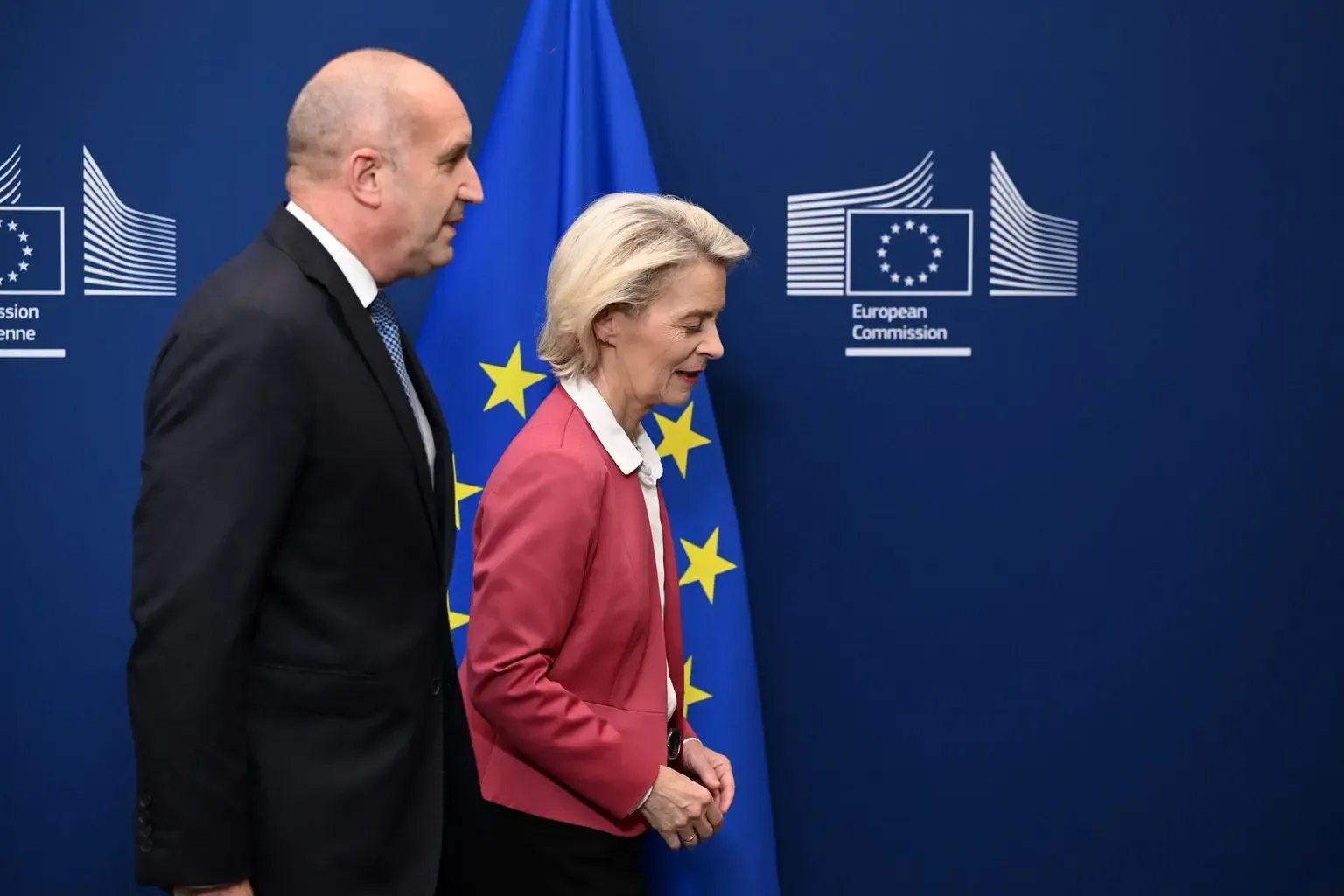
, Bulgaria had threatened to veto the 21st package. The country’s Ministry of Foreign Affairs demanded that Patriarch Kirill of the Russian Orthodox Church and Russian oligarch Vagit Alekperov be removed from the sanctions lists. Bulgaria’s concerns were taken into account, and the EU removed these two individuals from the lists.
Several weeks of tense negotiations over the 21st sanctions package have shown that an increasing number of European countries are unwilling to sacrifice their own economic interests to increase pressure on Moscow.
Given these circumstances, the European Union plans to send a new draft of sanctions to national governments in the coming weeks so that they have time to review it before the foreign ministers’ summit in October. Separately, the EU will also propose additional restrictions related to the forced deportation of Ukrainian children.
Meanwhile, Europe’s three largest economies—Germany, France, and the United Kingdom—have stepped up diplomatic efforts to engage in peace talks with the Kremlin, in coordination with the Ukrainian side. Some EU countries have proposed appointing a special envoy to handle contacts with Moscow. The Kremlin immediately proposed its own candidate—former German Chancellor Gerhard Schröder, known for his cooperation with the Kremlin through his work at Gazprom. But Brussels has so far refused, stating that the appointment will only take place once Moscow demonstrates a genuine willingness to make peace.
In June, it also became known that the team of European Council President António Costa had approached the Kremlin with a request to open a channel for preparing potential negotiations to end the war. Costa’s chief adviser held two telephone conversations with a high-ranking official from Russian dictator Putin’s inner circle.
European Sanctions in Effect
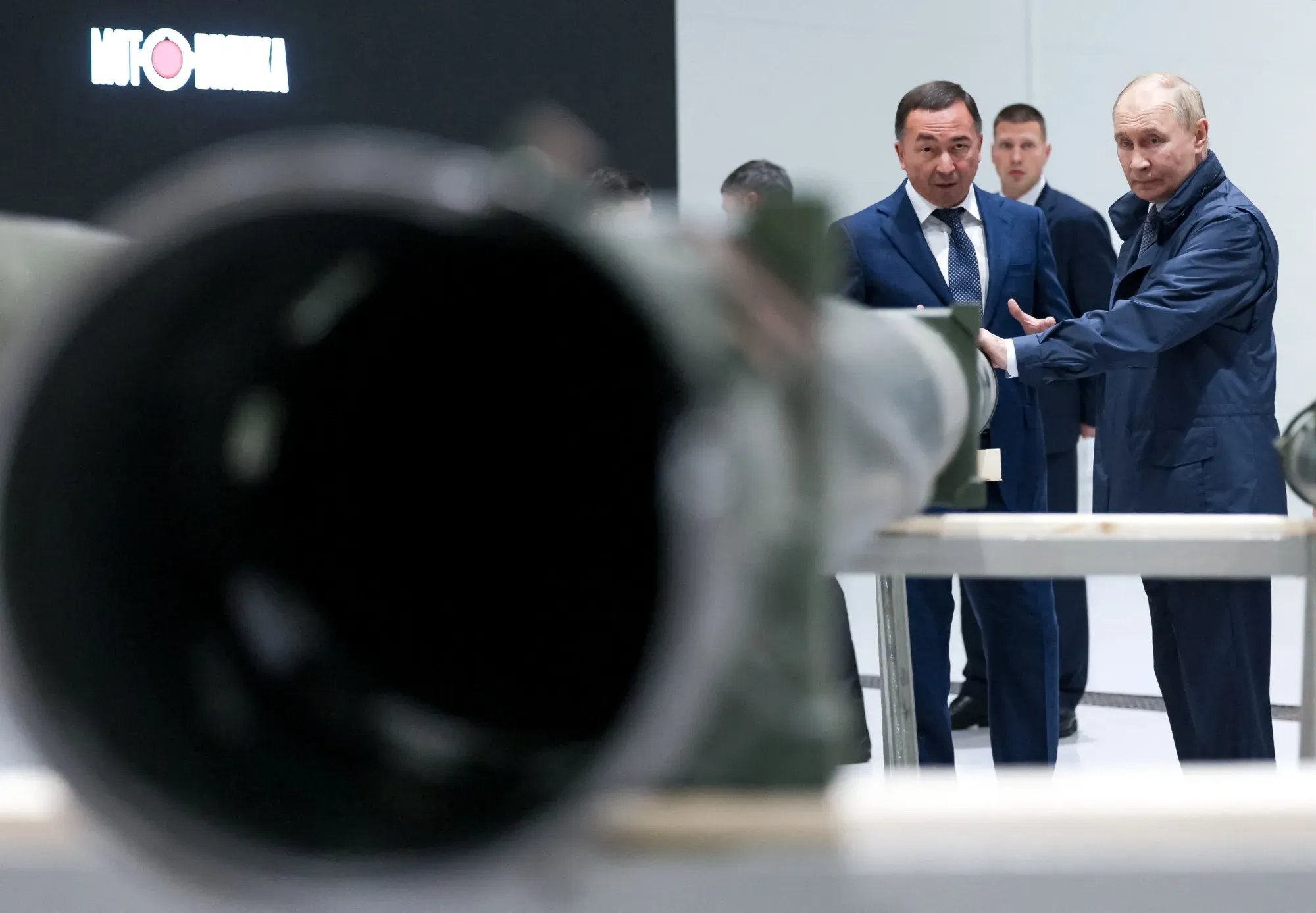
The European Union has already adopted 21 rounds of sanctions against Russia. The European Commission reported that the imposed restrictions have cost the Russian economy more than 1 trillion euros. The European Union’s “blacklists” include 94 banks and organizations, 33 credit institutions, 14 cryptocurrency platforms, and 41 tankers from Russia’s so-called “shadow fleet.” Restrictions were imposed on 18 oil companies and several oil refineries in Russia and Belarus. At the same time, the price cap on Russian oil was left at $44.1 per barrel until at least July 2027.
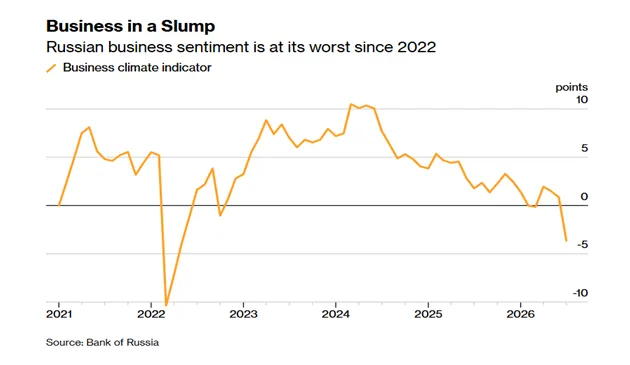
The sanctions list also includes 56 additional companies and individuals linked to the Russian defense-industrial complex, particularly those involved in the production of long-range drones. The EU has also tightened controls on exports of microelectronics and industrial machinery. Brussels also approved specific legal grounds for banning Russian military personnel who participated in the war against Ukraine from entering the EU.
Overall, the last two packages of measures demonstrate that the EU is attempting to shift from sanctions targeting Russian residents directly to those who help Moscow circumvent these restrictions—that is, to dismantle the shadow infrastructure in international trade that Russia has built up.
Expert
Commentary
Vitaliy Kulik: More Words and Rhetoric Than Real Enforcement
Mechanisms
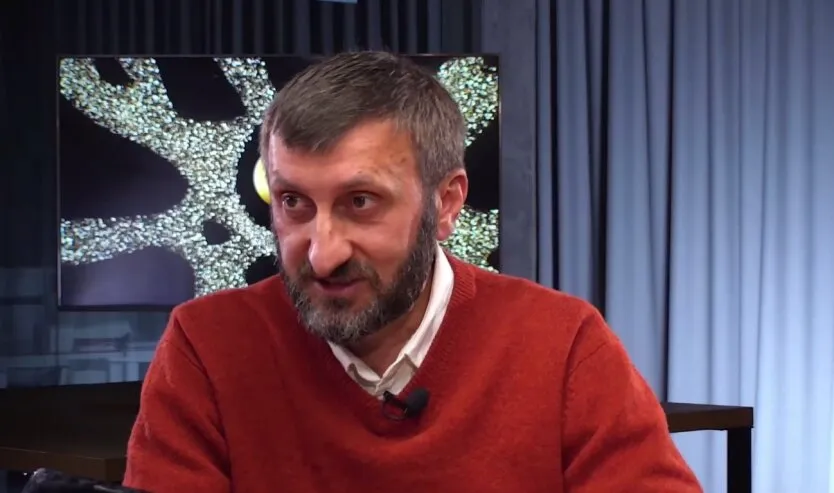
Vitaliy Kulik, director of the Center for Civil Society Research, recalls the extremely complex internal negotiations regarding the previous sanctions package, which the European Council adopted on July 23, as well as the cost of the concessions made.
“Among the key countries that vetoed this package was Greece. At the time, Ireland held the presidency of the Council of the European Union. The parties tried to find a compromise, and ultimately Greece received a so-called limited exemption for the re-export of Russian liquefied natural gas to third countries.
This exemption comes at a high cost to the European Union. By and large, it creates a loophole in the sanctions mechanisms. So when we talk about the new sanctions package announced by Kaja Kallas, many questions arise. The EU Committee of Permanent Representatives, after much debate, passed a significantly scaled-back 21st package of European Union sanctions. “In my opinion, it will be very difficult to adopt a new package that is more stringent and includes new enforcement mechanisms,” says Vitaliy Kulik.
According to the analyst, announcing such sanctions is one thing, but seeing them through to their logical conclusion and implementing them is a task that presents more challenges than opportunities. Greece may not be the only country to oppose tougher sanctions. Hungary, Poland, Italy, and other countries may also demand exemptions or concessions that would serve their interests.
“In Brussels, they’re citing astronomical figures for Russia’s losses due to economic and financial pressure. The pressure on the Russian economy continues—the sanctions are having an effect. But they are spread out over time. Therefore, in my opinion, this is more about words and rhetoric than real mechanisms of coercion that Russia is feeling before the onset of cold weather and the heating season,” says Vitaliy Kulik.
He cites as one of the main problems in this process the fact that not all European countries speak with one voice within the European Union when it comes to sanctions against Russia.
“Some countries are trying to maximize their own gains by acting out of national self-interest, believing that the war has nothing to do with them and that the threat of a continental war in Europe is just a scare tactic by the militarist elites, as they call it in the press. This illusion is being exploited and undermines the effectiveness of the European Union’s response to Russian aggression,” states the director of the Center for Civil Society Studies. He does not rule out that EU countries will reach a certain ceiling of consensus, beyond which the European Union will be unable to go regarding sanctions against Russia.
“This will lead to a crisis after a certain electoral cycle within the European Union itself—in Germany, France, Italy, or the countries of Central Europe. It may be that Kallas herself will step down and be replaced by a more moderate head of EU diplomacy. This also applies to other representatives of the European Commission. They may move away from harsh rhetoric toward Russia and adopt a policy of appeasement toward the aggressor. I do not rule this out. Moreover, I anticipate that this could happen in the near future,” says Vitaliy Kulik.




