
New Galápagos atlas covers 68 species and species groups — Mongabay
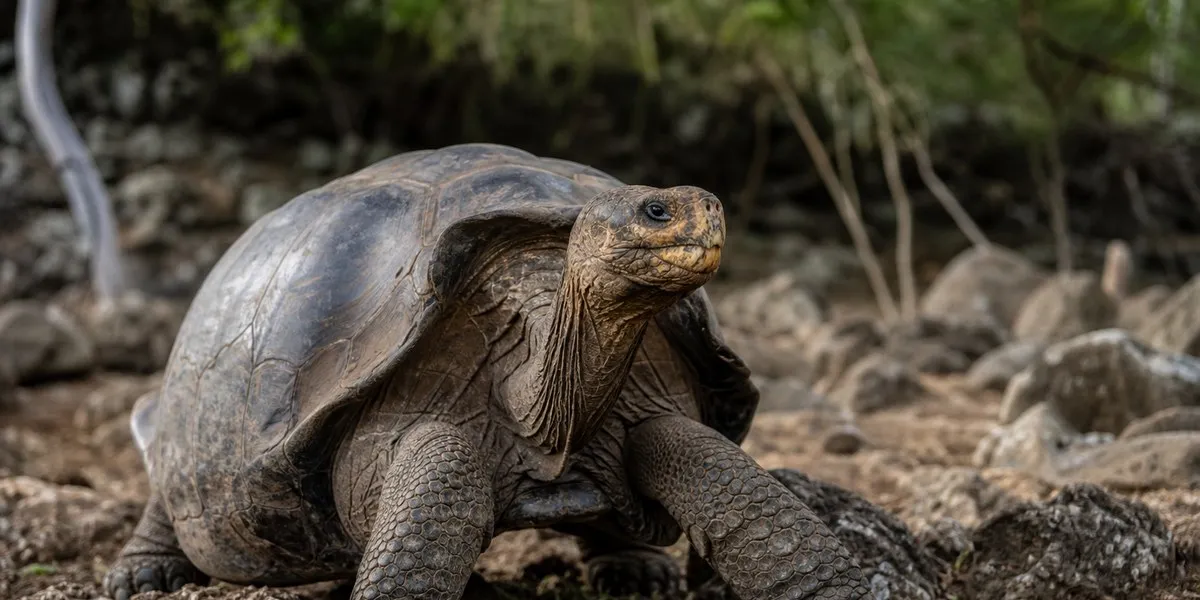
The Darwin Foundation has created a freely accessible atlas of the biodiversity of the Galápagos Islands, covering 68 species and species groups. The publication is dedicated to the evolutionary and ecological diversity of the archipelago that helped Charles Darwin develop the theory of natural selection, Mongabay reports.
Species and scientific gaps
The atlas includes material on giant Galápagos tortoises of the genus Chelonoidis, marine iguanas Amblyrhynchus cristatus, and Darwin's finches of the genus Geospiza. It also features lesser-known organisms, including Galápagos kelp Eisenia galapagensis, lichens, and Galápagos carpenter bees Xylocopa darwini.
Some 87 authors and artists worked on the publication, including scientists, park rangers, and conservationists. Species profiles contain known data and also indicate what remains unknown about their ecology, behavior, and conservation needs. Each species article contains links to sources and scientific papers.
More current news is available on the UA.News Telegram channel Telegram.
Invasive species
The atlas also contains overviews of the natural and human history, ecology, evolution, and geology of the Galápagos Islands, as well as information on introduced plants and animals. According to Darwin Foundation Executive Director Rakan Zahavi, there are about 1,500 introduced species in the Galápagos, of which slightly more than 60 are classified as invasive. They disrupt ecosystem balance and affect local flora and fauna.
Zahavi expressed hope that the atlas would help raise awareness of the risk that tourists could accidentally introduce new invasive species. Atlas editor-in-chief Gustavo Jiménez expects future editions to cover more species and be published in English and Spanish. Island Conservation CEO Penny Becker believes the publication could help make more effective decisions to preserve the archipelago's nature.


