
OPEC+ decided not to increase oil production in November
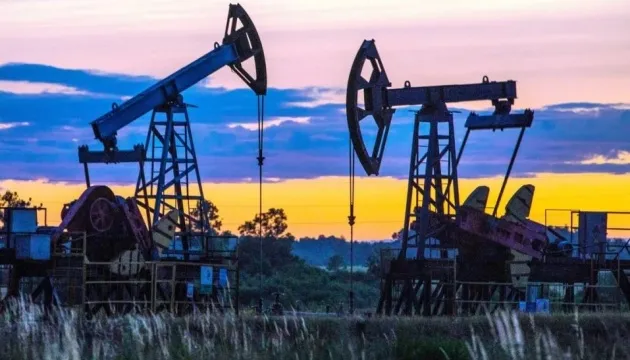
OPEC+ countries agreed not to change their oil production targets in November. The decision was made by seven key members of the group—Saudi Arabia, Russia, Iraq, Kuwait, Algeria, Kazakhstan, and Oman. Amid export disruptions caused by the war in the Middle East, actual production remains significantly below the established quotas.
On Sunday, October 4, OPEC+ countries agreed to leave oil production targets for November unchanged. The decision was made during a brief online meeting of the group’s seven key members. These include Saudi Arabia, Russia, Iraq, Kuwait, Algeria, Kazakhstan, and Oman. According to Reuters, no further major changes in production policy are expected until at least next year.
At the same time, actual production in some OPEC+ countries remains significantly below the set targets. The reason is problems with oil exports that arose due to the conflict between the U.S., Israel, and Iran. Over the past few months, exports from the Persian Gulf countries have amounted to approximately 60–80% of normal volumes. As a result, producers are unable to fully utilize their allocated quotas.
UBS analyst Giovanni Staunovo noted that OPEC+ left production caps unchanged, as the market had expected. “The group of seven OPEC+ countries left production caps unchanged, in line with market expectations. At the same time, despite an increase in supply volumes through the Strait of Hormuz, production levels remain significantly below quotas,” he said.
According to him, this means the situation on the oil market remains tense.
Production has increased but remains below pre-war levels
Throughout much of 2026, OPEC+ gradually raised its production targets. This followed several years of cuts. However, the increase remained largely on paper. Due to instability in the Middle East, the group’s member countries were unable to fully ramp up actual production.
In August, the seven main OPEC+ members produced about 25 million barrels of oil per day. That is 630,000 barrels more than in July. At the same time, the current level is approximately 5 million barrels per day lower than it was before the war began in February.
Against this backdrop, oil prices remain high. In particular, the price of Brent crude remains above $100 per barrel. Before the war began in late February, it stood at about $73.
Why OPEC+ Is in No Hurry to Change Quotas
Production cuts of about 2 million barrels per day remain in effect for most OPEC+ members. The group must also determine how any future increase in production will be distributed among member countries. This requires an assessment of each member’s actual production capacity.
However, due to the war in the Middle East, this analysis has been delayed. The unstable situation makes it difficult to assess how much oil countries will actually be able to produce in the future. The results of this analysis should help OPEC+ set new quotas for 2027. According to Reuters, significant changes in production allocations are unlikely before next year.
The next OPEC+ meeting is scheduled for November 1. Separately, the group’s Joint Ministerial Monitoring Committee also met on Sunday. It assesses the market situation but does not make decisions regarding production policy, according to Reuters.




