
Wildlife park in Australia to vaccinate 100 birds against H5N1
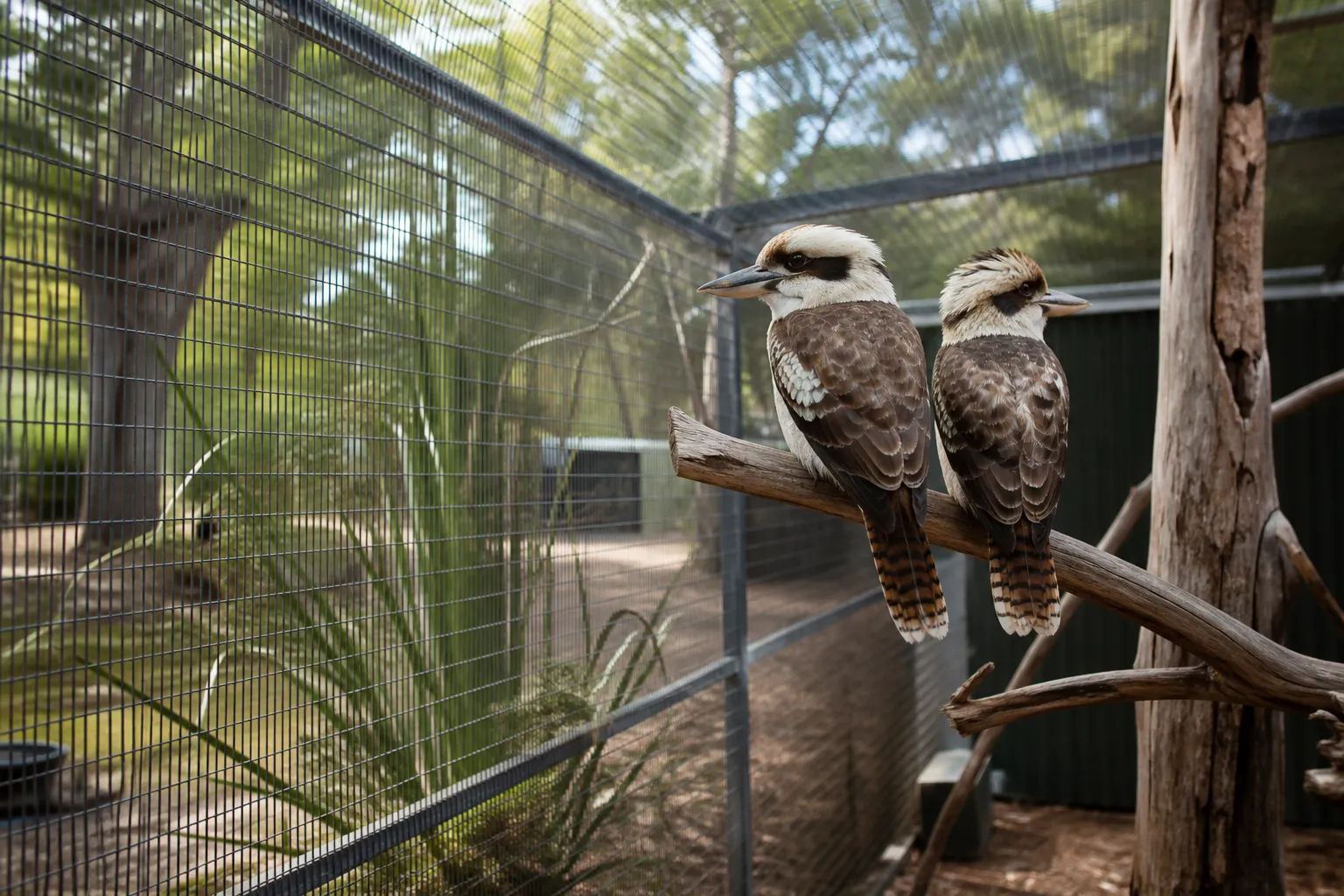
Cleland Wildlife Park in the Adelaide Hills of South Australia plans to vaccinate around 100 native birds kept in captivity to protect them from H5N1 avian influenza. As ABC News Australia reports, the facility became the first wildlife park in South Australia to receive federal government approval to use the vaccine for birds.
Protection of rare species
The birds to be vaccinated include critically endangered orange-bellied parrots and regent honeyeaters. The program will cover red-tailed black cockatoos, which are threatened with extinction, and vulnerable regent parrots. In addition, representatives of another 26 bird species at the park will be vaccinated.
The park recently received federal funding to upgrade several aviaries as part of preparations for the possible arrival of avian influenza in Australia. Due to biosecurity measures, visitors have also been restricted from accessing three other aviaries that were not included in the upgrade program.
More current news is available on the UA.News Telegram channel Telegram.
Two doses and monitoring
Australian Agriculture Minister Julie Collins said the country has around 12,000 vials of the vaccine. It does not provide complete protection against the disease, and two doses are required for maximum immunity.
Australian native species will receive this vaccine for the first time. The birds will be monitored before the final dose is administered. South Australian Minister for Primary Industries and Regional Development Clare Scriven stressed that the vaccine's effectiveness for individual bird species has not been determined with 100% certainty.
According to her, because of the difficulties of capturing, vaccinating and monitoring wild birds, the authorities' current priority is birds in captivity and species threatened with extinction. Zoos SA, which manages Adelaide Zoo and Monarto Safari Park, is also undergoing the vaccine approval process. A separate vaccination program is already underway for a colony of little penguins on Phillip Island.


