
Trump-era EPA proposes easing disclosure of data center emissions data
The US Environmental Protection Agency (EPA), under President Donald Trump’s administration, has proposed changing rules for informing the public about pollutant emissions from data centers. Under the new approach, disclosure of permit data for facilities classified as “minor sources of pollution” could become voluntary and depend on decisions by states and individual local authorities, The Guardian reports.
What the EPA proposal provides for
The US Clean Air Act currently requires the public to receive, through state authorities, information about the volume of pollutants that a facility seeking a permit as a “minor source” plans to emit. The EPA’s proposed rule for data center projects would eliminate this requirement and leave disclosure decisions to the discretion of states and some local authorities.
The EPA said the changes are intended to reduce the administrative burden and responsibly speed up permit issuance while supporting US economic development and energy dominance. The agency also said state authorities are better informed about local issues.
Organizations’ concerns
Representatives of environmental and community organizations fear that the new procedure will reduce transparency during data center construction. Joe Goffman, a former assistant administrator of the EPA Office of Air and Radiation, believes that without such data, communities will not know what air they will breathe after a facility begins operating and will also have fewer opportunities to challenge decisions in court or publicly oppose projects.
More current news is available on the UA.News Telegram channel Telegram.
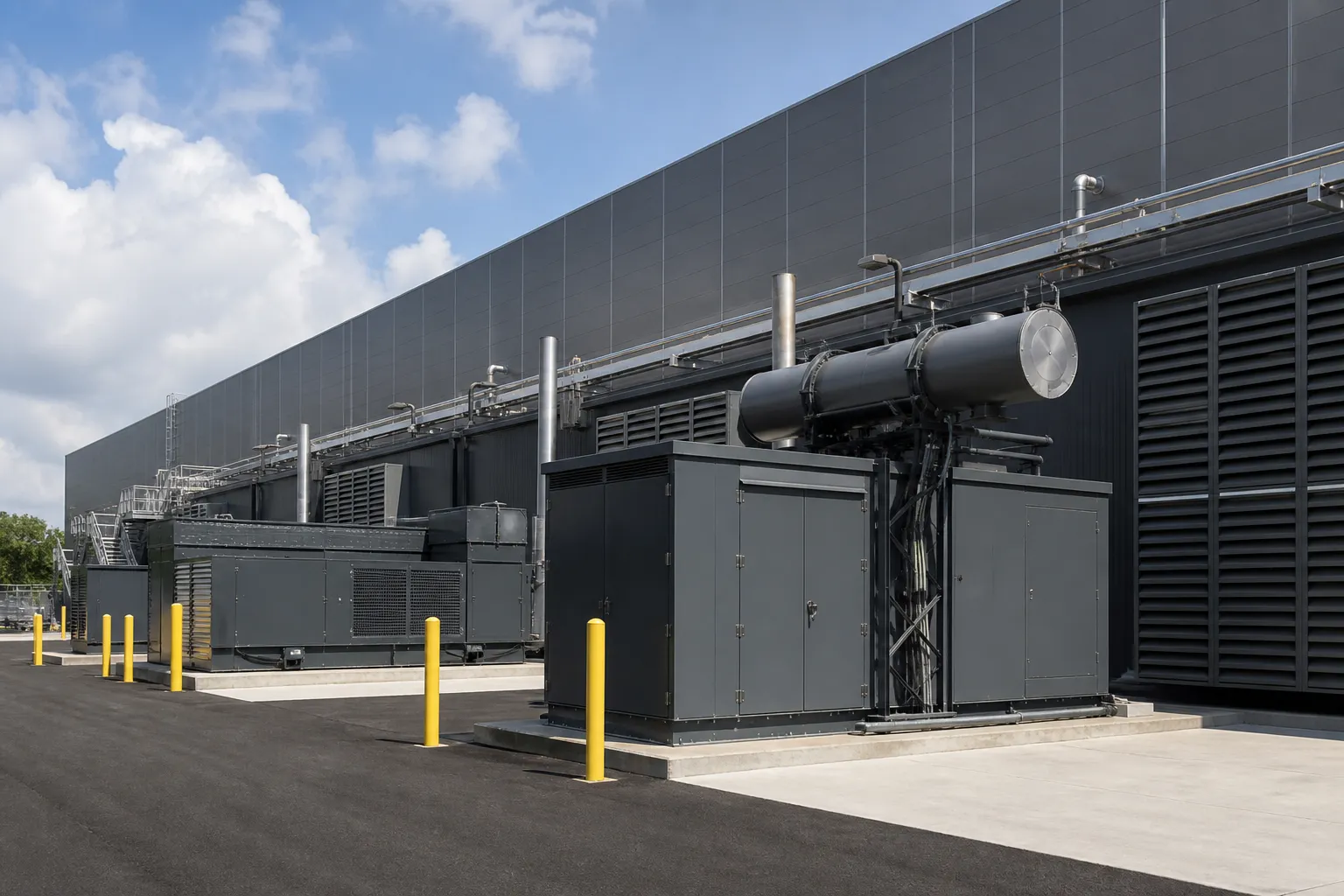
Data centers are often sources of nitrogen oxides, which contribute to ozone formation, as well as carbon monoxide, heavy metals, and other pollutants. To power facilities or provide backup generation, their operators may use up to several dozen diesel generators or gas turbines.
According to the publication, large technology companies often submit permit applications separately for each generator or turbine. Environmental advocates believe this makes it possible to classify such units as “minor sources,” which are regulated by states, and avoid broader EPA scrutiny. Permits for this category must ensure compliance with federal limits for six pollutants associated with asthma, heart disease, and cancer.
The public comment period on the draft rule has already ended. If the EPA formally approves the changes, they may be challenged in court.




