
US envoy urges Lithuania to prevent construction on Vilnius cemetery
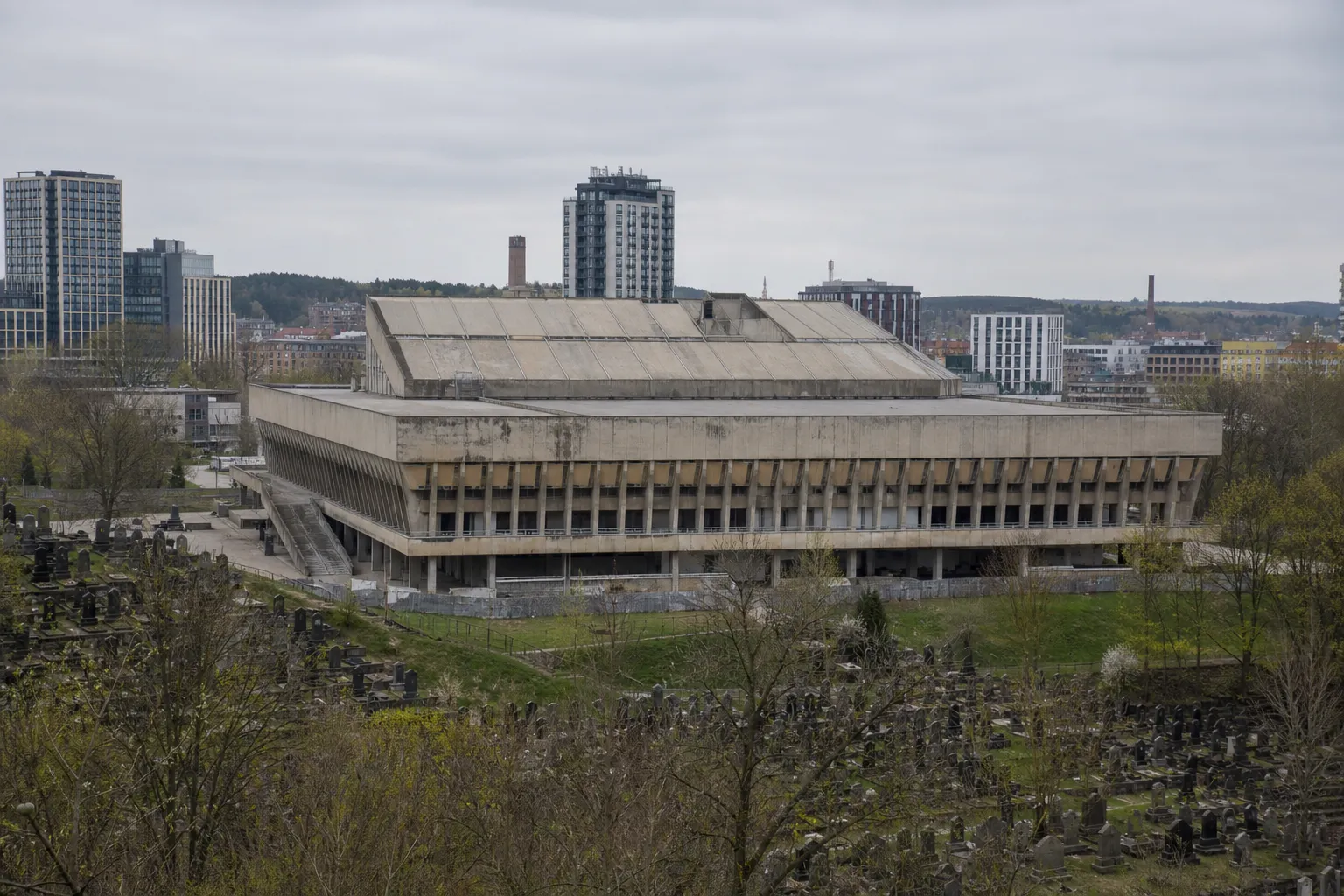
US Special Envoy to Monitor and Combat Antisemitism Yehuda Kaploun has called on Lithuanian authorities to prevent new development on the grounds of the historic Šnipiškės Jewish Cemetery in Vilnius. In a letter to Lithuanian Culture Minister Lukas Alsys, he expressed concern over plans for the former Soviet-era Palace of Concerts and Sports, located directly on the burial site, The Jerusalem Post reports.
US envoy's appeal
In a letter dated August 10, Kaploun said that official comments suggesting the site's future remains open could legitimize attempts at its further desecration. He called on the Lithuanian government to oppose the parliamentary resolution under consideration and reject any initiatives to use the sacred site for non-religious purposes.
The envoy also warned that implementing the conference center project would signal to Jews around the world that cemetery desecration is acceptable in Lithuania and that the country's centuries-long Jewish community history before the Nazi regime does not matter. He emphasized the sanctity of cemeteries for all people.
More current news is available on the UA.News Telegram channel Telegram.
The cemetery and previous agreement
The Šnipiškės Cemetery, also known as Piramont or Šnipišok, was the main burial site of Vilnius' Jewish community from the late 16th century until its official closure in 1831. During the Soviet occupation, gravestones on its grounds were razed, and a sports palace was built there in the 1970s. Heritage defenders and religious figures stress that thousands of Jewish graves and human remains still lie beneath the surface.
Earlier this year, Lithuania's parliament preliminarily approved a resolution that reopens consideration of the issue concerning the sports palace site. The Lithuanian Jewish Community expressed concern, saying the initiative bypasses a compromise reached in July 2024. At that time, a working group involving state institutions and community representatives agreed that the site would be used exclusively for commemoration, historical education, and reflection on history.


