
British Prime Minister Burnham outlines reform plans — Politico Europe
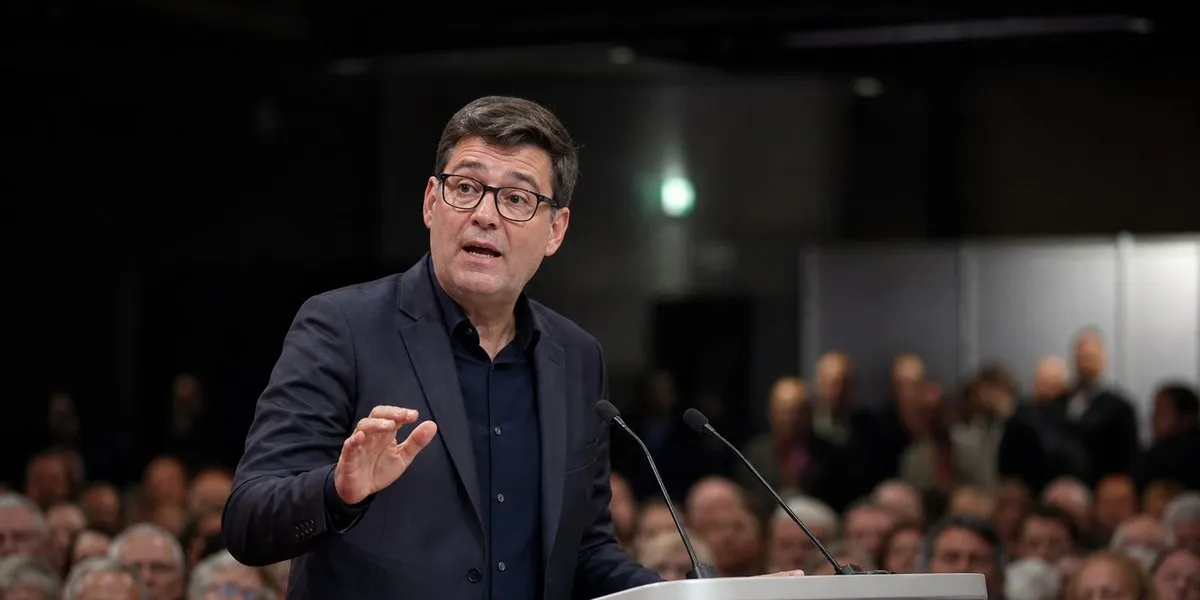
UK Prime Minister Andy Burnham outlined plans at the Labour Party conference in Liverpool to review the country’s relationship with the European Union, change the electoral system, create a state social care service and reform the mechanism for increasing state pensions.
As Politico Europe reports, Burnham said that at the UK-EU summit later this year, the government will present options for long-term relations with the European Union. Until the next general election, London will maintain its position of not joining the EU single market and customs union, but these restrictions may be reviewed after the vote.
Social care and pensions
Burnham promised to create a National Care Service for vulnerable adults, which would be state-funded and free at the point of use. It is intended to replace the current system, which combines private care and support from local councils. According to him, users of the service will, among other things, be able to stay at home longer.
More current news is available on the UA.News Telegram channel Telegram.
To fund the reform, Burnham proposed changing the mechanism of the so-called triple lock on state pensions from April 2030. Currently, pensions are increased annually by the highest of three indicators: 2.5%, the inflation rate, or average earnings growth. Under the proposed model, the link to inflation and the 2.5% minimum would remain, but the current earnings link would be abolished. At the same time, the state pension should not fall below 30% of average earnings.
Electoral reform
Labour also plans to establish a national electoral reform commission, which is to submit its conclusions before the next general election. Burnham said the party would go into the election with a manifesto pledge to change the first-past-the-post system, but did not specify which model of proportional representation it would support.
According to Labour Party officials’ estimates, changing the pension mechanism could deliver savings of £15 billion a year by the end of the 2030s. The initiative has already been criticised by the Liberal Democrats and Reform UK, while some Labour MPs expressed concern over the level of poverty among pensioners in their constituencies.




